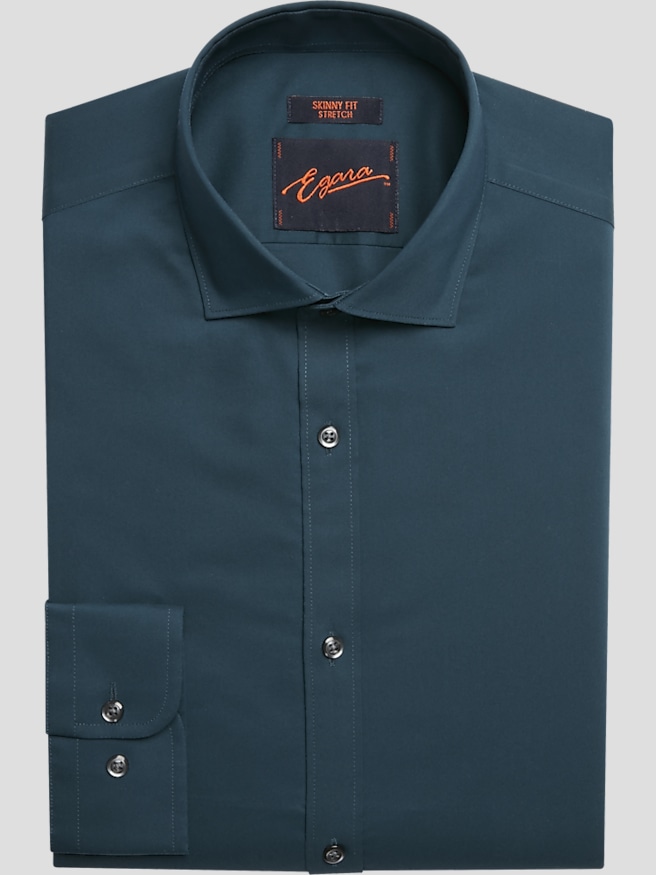
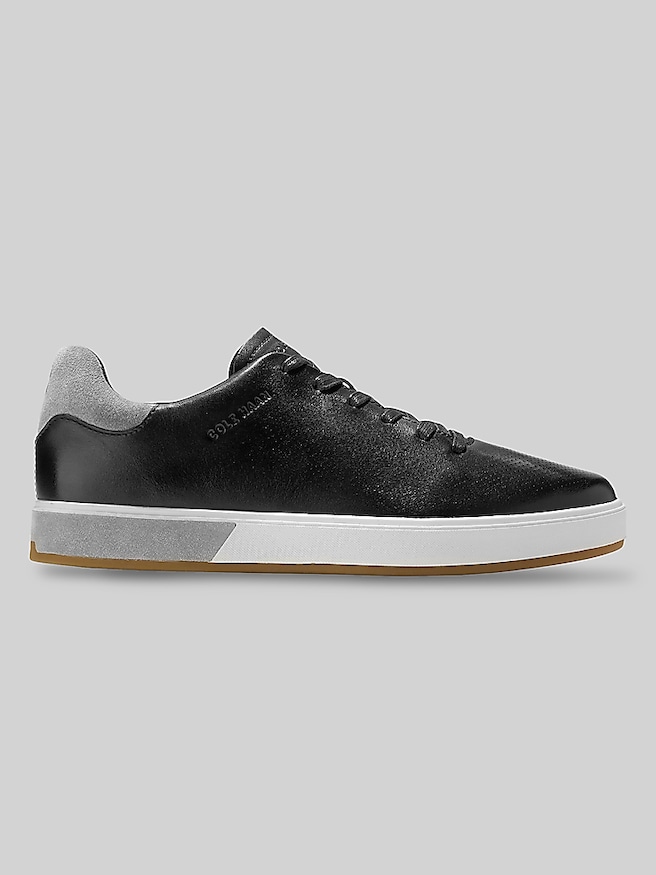
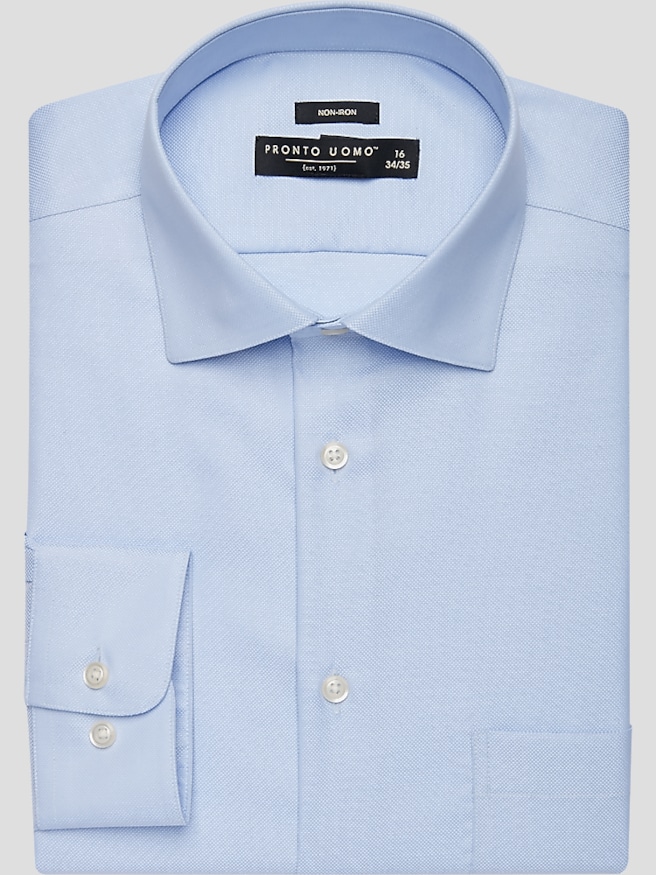
Workwear for young adults brings together professional polish, comfortable movement, and enough versatility to make getting dressed for a first job or internship feel straightforward. In an office setting, the foundation is usually tailored trousers, dress shirts, chinos, and layers that match the workplace’s level of formality. A coordinated suit creates a clear, composed impression in a formal interview or client-facing role, while a button-down shirt with chinos often fits a business casual environment. More relaxed workplaces may allow polos, fine-gauge knitwear, and understated sneakers, though employer expectations should always take precedence. The most useful pieces work together rather than requiring a separate outfit for every task on the calendar. Navy, charcoal, gray, and khaki provide an adaptable base, with white, light blue, muted colors, and restrained patterns adding variety without making combinations difficult. A subtle stripe can bring definition to a shirt beneath a solid jacket; textured trousers can give a simple outfit depth without calling attention away from the person wearing it. Contemporary proportions also have a place in professional clothing. Straight-leg trousers, a slightly fuller cut through the thigh, or a softly structured jacket can feel fresh while maintaining a neat outline. The distinction is intentional fit: relaxed clothing still needs clean shoulders, a secure waistband, and hems that do not drag. For someone moving between a shared workspace, a presentation room, and an after-work networking event, adaptable separates help keep the overall impression consistent. Young professionals in creative roles may have more freedom with color and silhouette, while those in finance, law, or hospitality may need more traditional tailoring. These categories describe everyday office attire, not protective clothing for industrial or trade settings, where job-specific safety requirements apply. Within an office wardrobe, the goal is clothing that looks appropriate across a normal workday and feels natural enough that attention stays on the conversation, assignment, or introduction rather than on adjusting a collar or tugging at a sleeve.
Fabric and construction have a direct effect on how work clothing feels after several hours of sitting, walking, and reaching. Cotton shirts offer a familiar hand and breathable comfort, with weave influencing their appearance: smooth poplin tends to look crisp, while Oxford cloth has a more visible texture that often suits less formal settings. Cotton twill gives chinos a sturdy surface, and blends with a small amount of stretch can offer extra give through the seat, knees, and elbows. Stretch is helpful, but it should support a comfortable cut rather than compensate for clothing that is too tight. Wool and wool-blend tailoring can drape cleanly and recover well from ordinary creasing, although weight, weave, and care requirements vary. Synthetic blends may contribute shape retention and durability; the fiber label and stated fabric features are more reliable than assuming every blend performs the same way. Fit matters just as much as composition. A shirt collar should close without pressure, the front should lie flat without pulling between buttons, and shoulder seams should sit close to the natural shoulder. When typing or reaching across a desk, sleeves should allow movement without drawing the entire shirt upward. Trousers should remain comfortable when seated, with pockets lying flat and enough room through the thigh to climb stairs easily. A tapered leg creates a narrower outline below the knee, while a straight leg offers a more even line; neither needs to cling to look professional. Jacket shoulders should sit smoothly, and the lapels should rest against the chest rather than bow outward. Hem length changes the finish of the whole outfit, particularly where trousers meet shoes. A slight break reads traditional, while a cleaner, shorter break can feel more contemporary without exposing too much ankle during ordinary movement. Small alterations to sleeve or trouser length can refine an otherwise suitable fit. Trying clothing while seated, with arms extended, and with the shoes intended for work gives a more realistic sense of comfort than standing still in front of a mirror.
Daily use also makes care and durability important parts of a young adult work wardrobe. A garment that fits the office routine should fit the laundry routine as well. Care labels distinguish washable pieces from those needing professional cleaning, and wrinkle-resistant finishes can reduce maintenance without eliminating it entirely. Promptly addressing marks according to the care instructions, fastening closures before washing when directed, and avoiding excessive dryer heat can help preserve appearance. Shirts benefit from attention at collars and cuffs, where everyday wear is especially noticeable. Tailored jackets hold their shape better on supportive hangers, while folded knitwear is less likely to develop stretched shoulders. Giving clothing time between wears and rotating frequently used pieces can reduce concentrated wear at elbows, knees, and pocket edges. Secure buttons, even stitching, neatly finished seams, and smooth-operating closures are useful construction details to examine, especially for clothing expected to handle repeated commuting and full days at a desk. Practical coordination matters, too: a waistband that works comfortably with a tucked shirt, a jacket that accommodates the chosen layer, and shoes that suit both the dress code and the amount of walking involved make an outfit easier to live in. Leather footwear generally benefits from cleaning and conditioning appropriate to its finish, while fabric footwear needs its own care approach. Keeping shoes tidy and accessories restrained helps casual combinations look deliberate. For offices with a less formal dress code, Casual Wear for Young Professionals complements the same emphasis on clean lines, useful layers, and easy coordination. Graduation, an internship acceptance, or the start of a first full-time role can also make work clothing a thoughtful gift, particularly when the recipient’s measurements, preferred fit, and workplace expectations are known. Someone who spends most of the day at a desk may prioritize soft fabrics and seated comfort, while a person regularly greeting clients may place more emphasis on structured layers and a consistently crisp finish. Across those routines, well-chosen workwear gives young adults room to develop a personal style while respecting the setting, with practical fabrics, considered proportions, and manageable care supporting repeated wear.