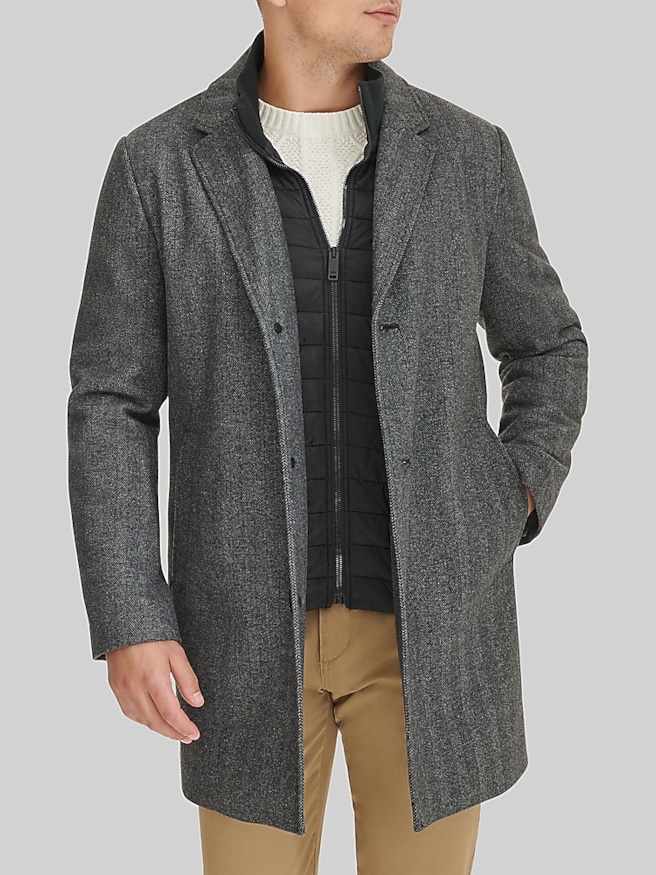
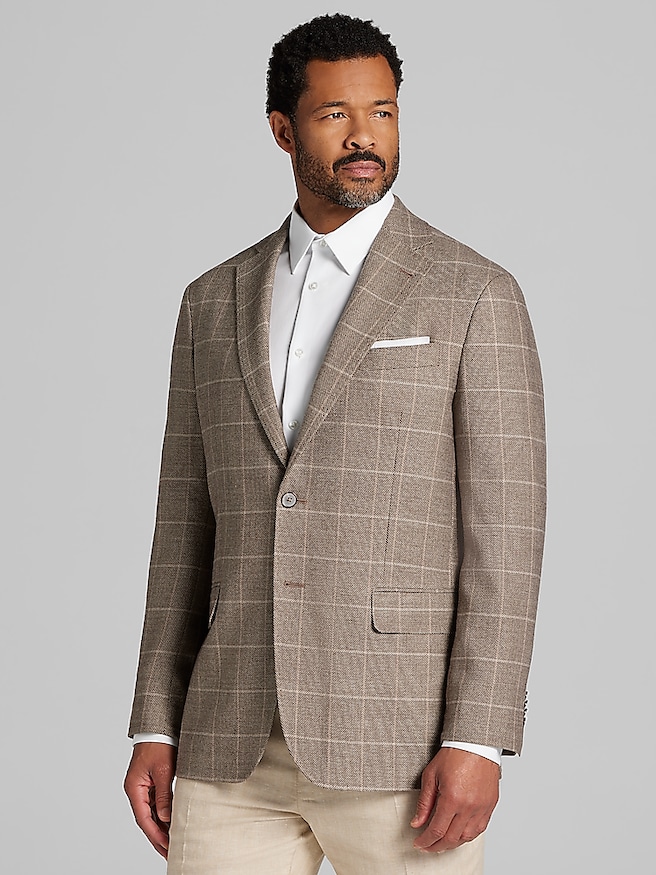
Wool plaid coats bring together the warmth of a traditional cold-weather layer and the visual character of a timeless pattern. Plaid can feel rugged and outdoors-inspired, especially in deeper greens, browns, navy and charcoal, yet the same pattern looks polished when it appears on a clean, tailored silhouette with a neat collar and streamlined front. That versatility makes a wool plaid coat a practical addition to a men’s wardrobe as the weather shifts from mild afternoons to cooler mornings and evenings. Wear one over a button-down shirt and chinos for a relaxed office commute, or layer it over a sweater, dark denim and leather boots for weekend errands, dinners and outdoor gatherings. A longer coat offers extra coverage and a more refined appearance with dress trousers, while a mid-length field-inspired style can feel at home beside jeans, flannel shirts and casual lace-up shoes. For an especially adaptable choice, look for a plaid scale and color combination that works with pieces already in the closet. Subtle windowpane patterns and muted tones tend to blend easily with solid sweaters and trousers; larger checks and higher-contrast colors make more of a statement and can serve as the focal point of an otherwise simple outfit. Plaid is also a thoughtful gift for a man who appreciates clothing with history and substance, particularly someone who spends time outdoors, travels during the cooler months or prefers well-made layers that can be worn for years rather than replaced each season. A coat in a classic pattern can mark a milestone, complement a professional wardrobe or become the dependable outer layer reached for at the first hint of crisp air.
When comparing wool plaid coats, start with the fiber content, construction and intended use rather than judging warmth by appearance alone. A coat made with 100% virgin wool generally offers substantial insulation, natural breathability and a comfortable ability to regulate temperature, while a wool-nylon blend may provide added durability, wind resistance or easier everyday wear. Wool-polyester blends can be lighter and more budget-friendly, which may suit indoor-to-outdoor commutes or climates where a heavy coat is needed only occasionally. Fabric weight is another helpful detail: heavier wool, often listed in ounces, typically provides more protection in strong wind and colder conditions, while a lighter weave is easier to layer and may be more comfortable when temperatures fluctuate. Coats in the approximate 16-ounce range can offer a balanced combination of warmth and mobility, while 26-ounce and heavier fabrics are designed for a more substantial feel and serious cold-weather performance. Pay attention to the lining, too. A smooth lining helps the coat slide over knitwear without catching, and a well-constructed interior can make the difference between a layer that feels bulky and one that moves naturally. Functional details such as a high collar, secure buttons, deep hand pockets and an interior pocket add comfort and usefulness on the go. Fit should leave enough room for a sweater without creating excess volume through the shoulders or midsection. The shoulder seam should sit close to the edge of the shoulder, the sleeves should reach the wrist when the arms are relaxed, and the coat should button comfortably without pulling across the chest. If the coat will be worn over a suit, consider a slightly roomier cut and enough length to cover the jacket beneath it. For more ideas in the same fabric category, explore Winter Wool Coats and compare silhouettes suited to commuting, travel and everyday layering.
Caring for a wool plaid coat properly helps preserve its shape, color and soft, dense texture. Wool naturally resists light moisture, odors and wrinkling, so a coat often needs less frequent cleaning than a cotton or synthetic outer layer. After wearing it, give it time to air out, then use a soft clothes brush to remove lint or surface debris, brushing in the direction of the fabric. A sturdy, broad-shouldered hanger is preferable to a thin wire hanger because it supports the coat’s structure and helps prevent stretching at the shoulders. Avoid leaving heavy items in the pockets for long periods, and allow the coat to dry completely if it encounters light rain or snow before placing it in a closet. Many authentic wool coats call for specialist dry cleaning rather than machine washing; always follow the care label, particularly when the coat contains a blend, has a structured lining or includes leather, horn-style buttons or other trim. During warmer stretches, store the coat in a cool, dry space with room for air to circulate, using a breathable garment bag instead of plastic. A wool plaid coat is at its best when it becomes part of a real routine: thrown over a sweater for a morning walk, worn with a scarf on a windy platform or paired with a collared shirt for an evening that calls for something more composed than a casual jacket. With the right fit, fabric weight and pattern, it can bridge the gap between rugged utility and dressed-up style while providing dependable comfort through the cooler months.