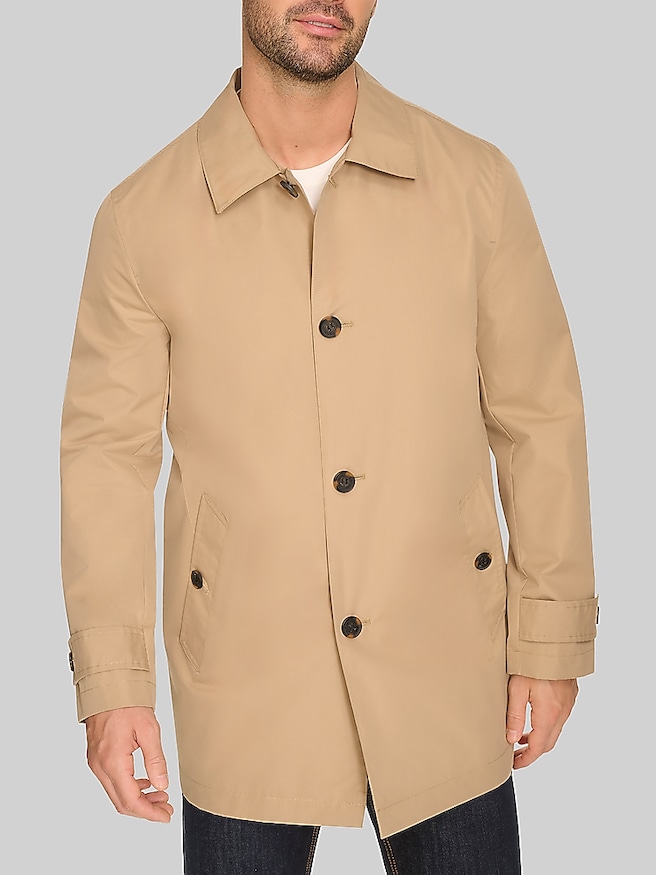
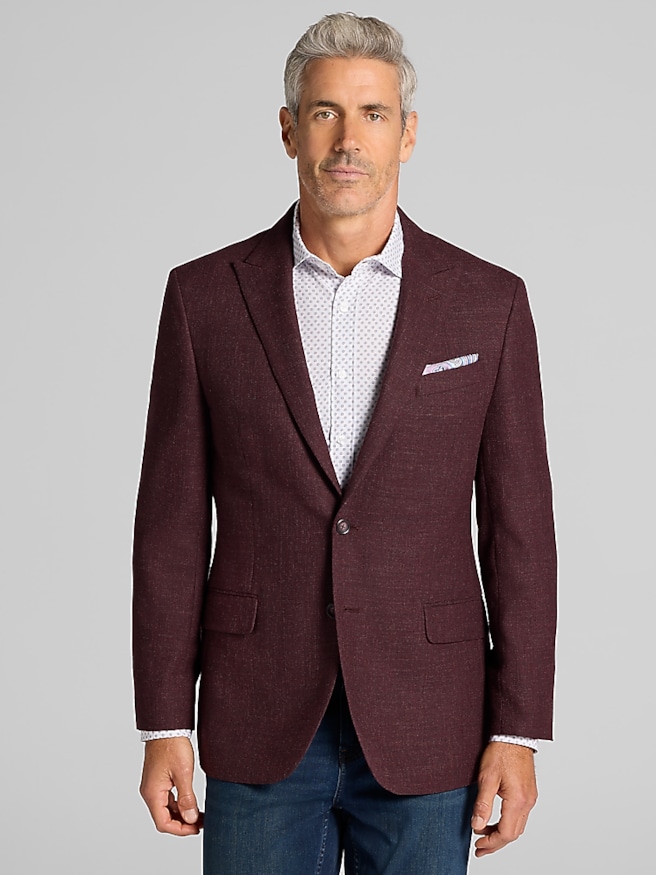
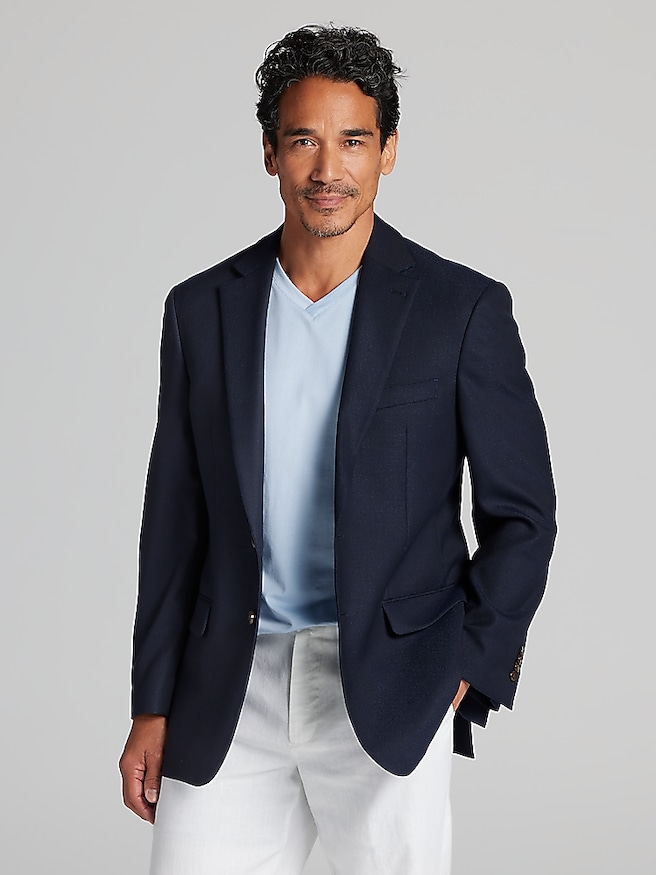
Winter wool coats offer insulating warmth, a structured silhouette, and a polished outer layer for cold-weather dressing. Their appeal comes from the way wool holds pockets of air within its fibers, helping retain body heat without requiring the bulky profile of some insulated outerwear. The result can feel equally appropriate over a business suit on a downtown sidewalk or a sweater and dark jeans at a weekend dinner. Fabric composition matters, but so do fabric weight, weave, lining, and construction. A densely woven wool fabric generally provides more protection against moving air than a loose, open weave, while a substantial lining can make the coat easier to slip over tailored clothing. Wool blends may include nylon or polyester for added strength, or cashmere for a softer hand; the overall feel and performance depend on the proportions and how the fabric is made. A higher wool percentage alone does not tell the whole story. The surface should feel consistent, seams should lie smoothly, and the fabric should have enough body to maintain the intended shape. Wool can absorb moisture vapor and still feel comfortable, but a traditional wool coat is not a substitute for waterproof outerwear in prolonged rain or wet snow. For everyday wear, the balance between warmth and manageable weight is often more useful than maximum thickness. Smooth finishes create a clean, dressier impression, while subtle herringbone patterns, brushed textures, and heathered fabrics bring depth without making an outfit look busy. Black, navy, charcoal, and camel are familiar choices because they coordinate easily with much of a typical wardrobe. Darker shades sit naturally over business clothing, while a lighter neutral can provide contrast against dark trousers or denim. The strongest connection between fabric and style is practical: a coat should feel comfortable in motion, suit the clothing beneath it, and provide the coverage its wearer needs.
Fit determines whether a winter wool coat feels like a natural part of an outfit or an extra layer that gets in the way. A coat intended for suits needs room through the shoulders, upper arms, and chest to accommodate a jacket without crushing its shape. One worn mainly over shirts and fine-gauge sweaters can have a closer profile, provided the front closes comfortably and the sleeves allow easy movement. Trying the fit over the kind of clothing it will cover gives a more useful impression than assessing it over a thin T-shirt. With the coat buttoned, the lapels should rest smoothly rather than pulling outward, and the back should not develop strong horizontal tension lines when the arms move forward. Shoulder placement deserves particular attention because that area is more difficult to alter than sleeve length. Sleeves should cover the layers underneath without swallowing the hands, and pockets should be accessible without an awkward reach. Length also changes both appearance and usefulness. A longer overcoat provides more coverage through the legs and generally works well over tailoring, especially when its hem extends below the suit jacket. A shorter wool coat can feel less restrictive while driving, climbing stairs, or moving between a train platform and an office. Neither length is automatically warmer; fabric, fit, closures, and exposure all contribute. Single-breasted fronts tend to create a straightforward, versatile line, while double-breasted designs add an overlapping front and a more pronounced tailored presence. A collar that sits comfortably against the neck helps limit drafts, and a scarf can fill the space at an open neckline without requiring an overly tight fit. For a commuter carrying a shoulder bag, enough room across the upper back can make a noticeable difference. For someone headed to a winter wedding, a clean coat silhouette keeps formal clothing looking composed from arrival to departure. The most useful choice reflects those ordinary movements and occasions, not just how the coat looks standing still.
Thoughtful care helps wool outerwear retain its shape, texture, and usefulness through repeated wear. A broad, supportive hanger protects the shoulders better than a thin wire hanger, and enough space in the closet keeps the fabric from being compressed against neighboring garments. After a long day, allowing the coat to air out before putting it away helps release absorbed odors and moisture. A soft garment brush can lift surface dust and lint, particularly around the collar, pocket openings, and lower hem, where everyday contact tends to leave its mark. If the coat becomes damp, it should dry naturally in a ventilated space away from radiators and other direct heat sources. Care labels remain the best reference for cleaning because wool blends, linings, interfacings, and trims may require distinct treatment. Many tailored wool coats call for professional dry cleaning rather than machine washing, and prompt attention to stains can prevent a small mark from becoming harder to remove. Occasional pilling may develop in areas exposed to friction, such as under the arms or along a bag strap; careful removal with a tool suited to the fabric can improve the surface without aggressive brushing. Secure buttons, sound pocket seams, and an intact lining also contribute to durability, so small repairs are worth addressing before they become larger problems. The lasting appeal of Quality Wool Coats rests on this combination of substantial fabric, comfortable construction, and regular care. As a gift, a wool coat can be especially meaningful for someone starting a job with a more formal dress code, spending more time commuting on foot, or building a wardrobe around tailored clothing. Knowing the recipient’s measurements, preferred coat length, and usual layering habits matters more than choosing an eye-catching detail. A familiar color and an uncomplicated silhouette often make daily coordination easier. Whether worn to the office, an evening performance, or a family gathering, a well-chosen wool coat brings warmth and polish without demanding a completely new way of dressing.