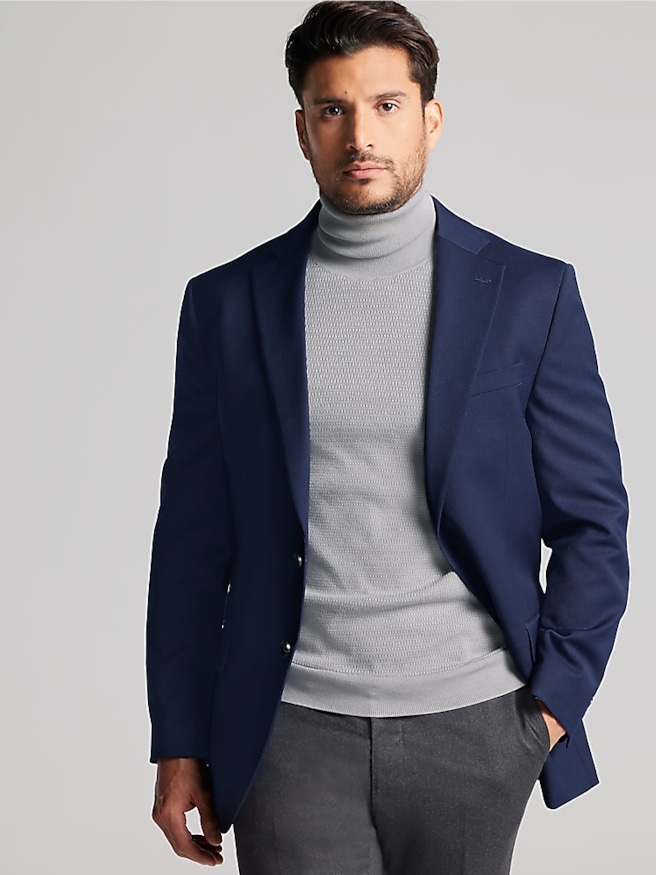
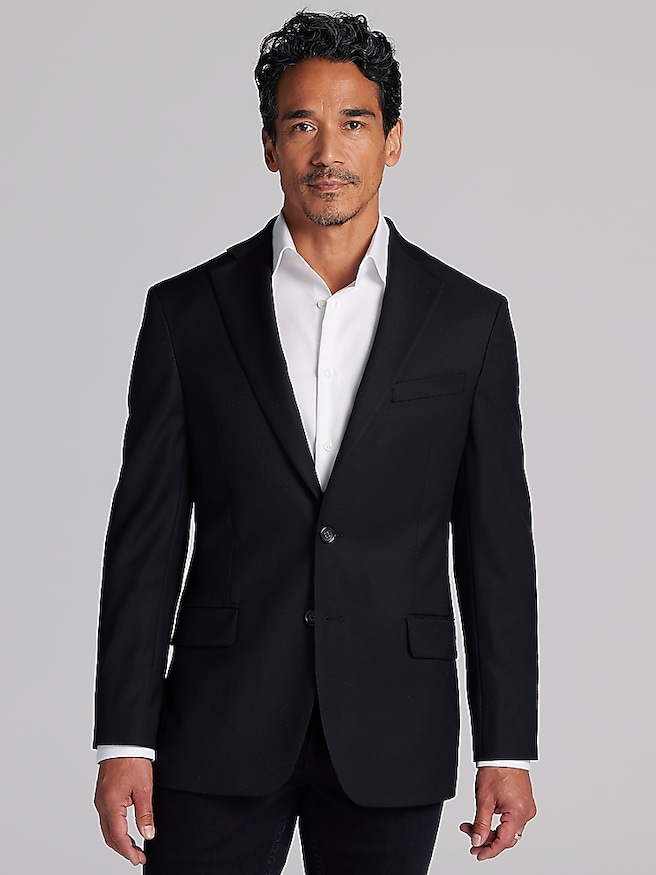
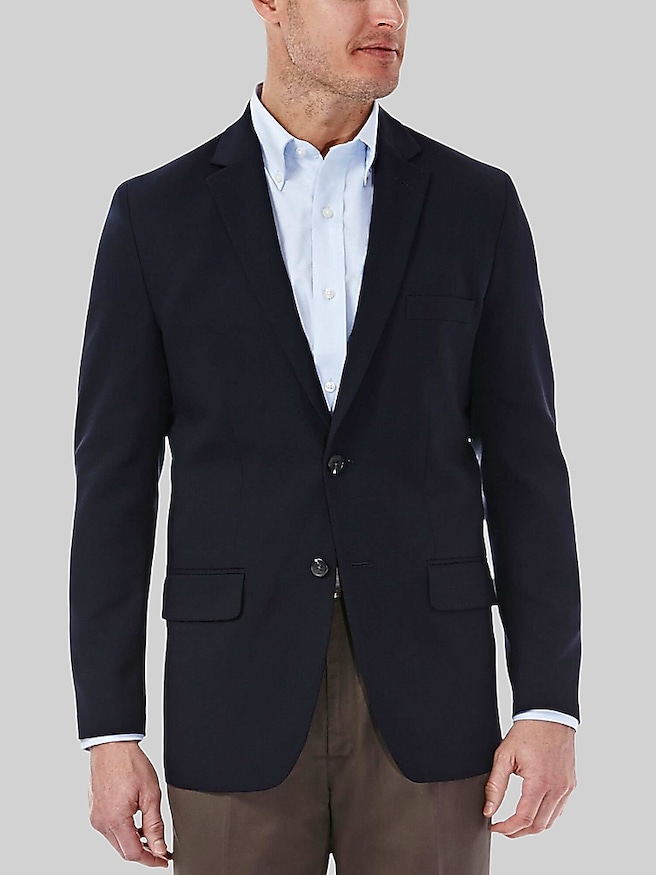
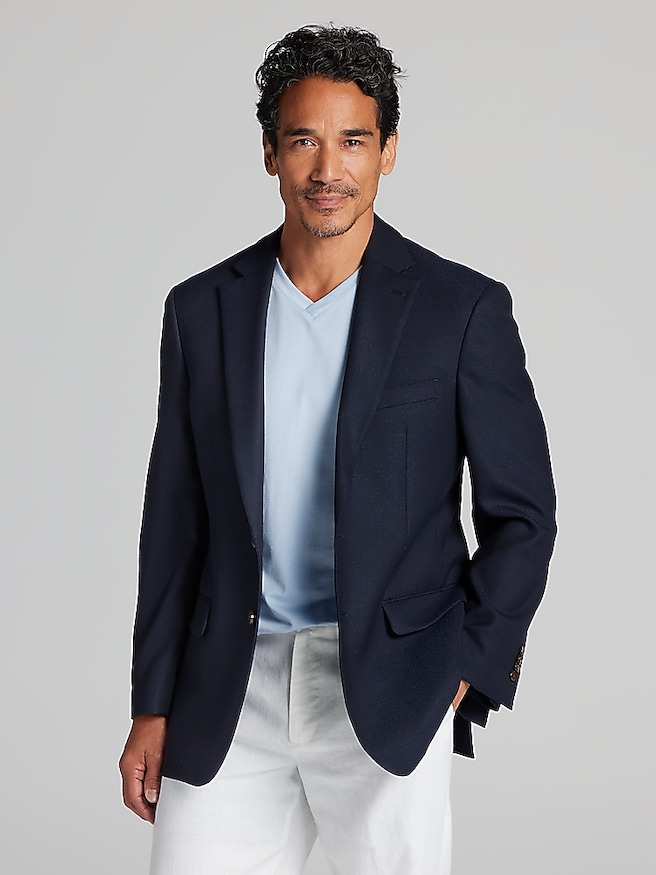
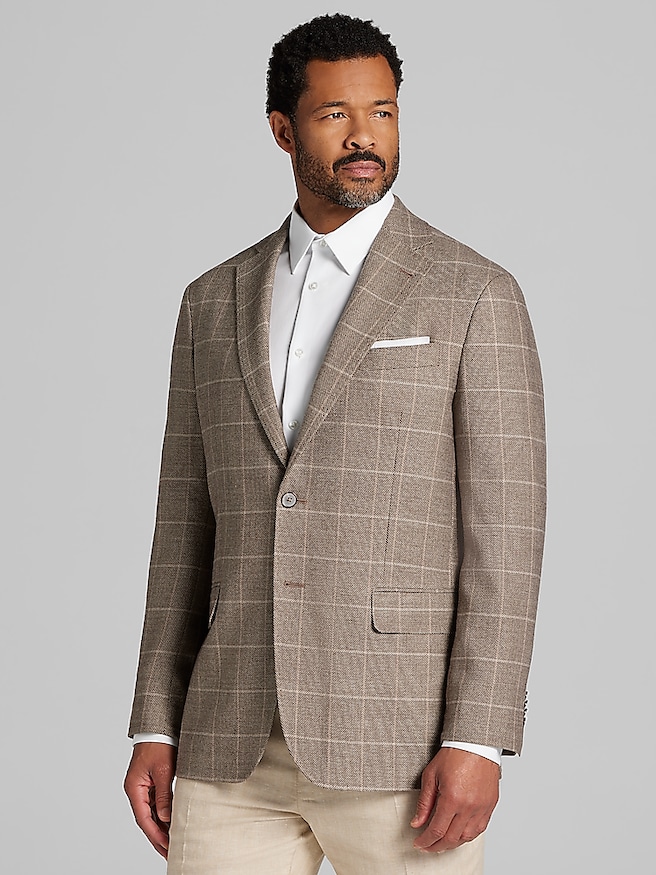
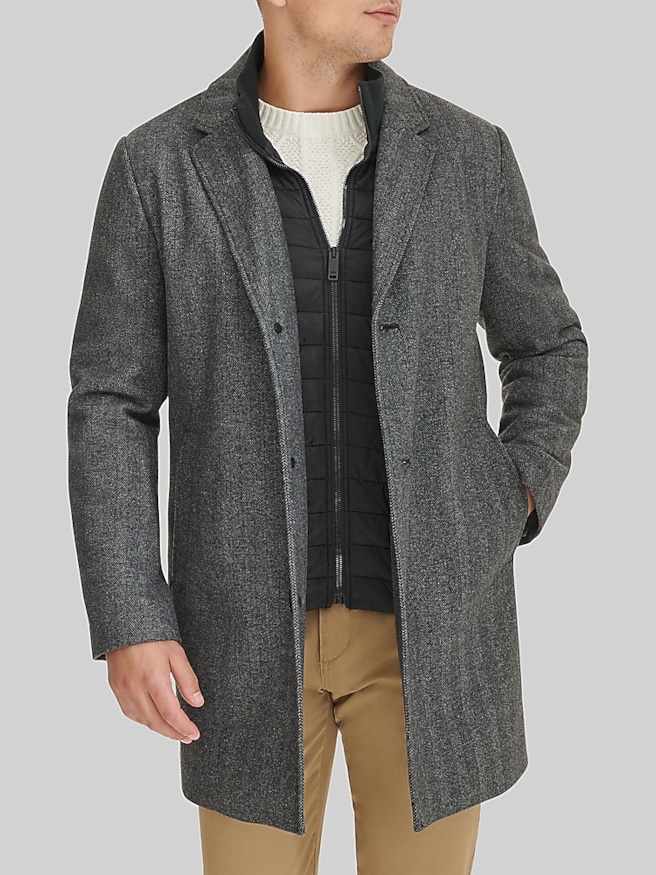
Modern wool coats bring clean lines, balanced proportions, and practical warmth to everyday outerwear. Their appeal comes from the way a tailored shape can finish an outfit without making it feel overly formal: a smooth shoulder over a suit jacket, a neat collar above a crewneck sweater, or a long, uninterrupted front paired with dark denim. Contemporary styling often draws on familiar overcoats, topcoats, and peacoats while simplifying details or allowing a little more room through the body. Single-breasted designs tend to create a streamlined profile, while double-breasted fronts add visual structure and overlapping coverage across the chest. Longer lengths provide more coverage over the thighs; shorter silhouettes can feel less restrictive when sitting or getting into a car. The fabric matters just as much as the outline. Wool fibers have a natural crimp that helps trap insulating air, and wool can absorb moisture vapor, contributing to comfort when moving between outdoor air and heated interiors. Actual warmth depends on fabric weight, weave, lining, coverage, and the layers underneath—not simply the percentage of wool on the label. A densely woven cloth generally offers more resistance to moving air than a loose weave, although a wool coat should not be assumed to be windproof or waterproof. Wool blends may incorporate nylon for abrasion resistance, cashmere for a softer hand, or other fibers that influence texture, weight, and drape. Fine wool can feel smooth and supple, while more textured cloth gives a coat a substantial, tactile character. A brushed surface softens the outline; a compact, smooth finish emphasizes tailoring. Neither is automatically better. The right balance depends on whether the coat will spend most of its time over business clothing, accompany weekend outings, or serve both purposes. What makes the look modern is not a single button arrangement or fabric blend, but the relationship between shape, proportion, and the clothing worn beneath it.
Fit gives a men's wool coat much of its character, particularly when it needs to accommodate more than a thin shirt. A close silhouette can look sharp, but the front should fasten without pulling across the chest or forming pronounced tension lines around the buttons. There should also be enough space through the upper arms and back to reach for a steering wheel, carry a work bag, or lift an arm comfortably. Trying a coat over the kind of layers it will actually cover gives a more useful impression than checking it over lightweight clothing alone. For a tailored shoulder, the seam generally sits near the natural shoulder edge; intentionally relaxed designs may place it lower without indicating a poor fit. Sleeves should cover the layers underneath without swallowing the hands, and a collar should rest comfortably rather than push against the neck. When worn with a suit or sport coat, an overcoat looks most cohesive when its hem covers the jacket beneath it. Knee-length shapes create a long vertical line and provide generous coverage, while mid-thigh lengths balance coverage with ease of movement. Body proportions matter more than rigid rules about height, and additional width does not always mean additional sleeve or body length. For shoppers exploring more generous sizing, Large Wool Coats offers a related category to consider alongside the measurements and cut of each garment. Color and texture also influence how naturally a coat fits into a wardrobe. Charcoal and navy sit comfortably over business suits, gray knitwear, and dark jeans. Camel adds contrast to black trousers or deep blue tailoring, while a subtle herringbone introduces pattern without overwhelming the outfit. Clean lapels and understated closures can move easily from an office entrance to a restaurant coat check. A broader collar or double-breasted front creates a stronger outerwear statement, especially with simple trousers and shoes that keep the overall look grounded. Practical details deserve equal attention: accessible pockets, a comfortable lining, and a back vent can make a noticeable difference throughout an ordinary day.
A well-chosen wool coat earns its place through repeated use, whether that means walking from a train platform to the office, heading to dinner in tailored trousers, or wearing a sweater and jeans on a weekend afternoon. For fall and winter use, its usefulness depends on matching the construction to the conditions rather than expecting every wool fabric to perform alike. A lighter topcoat can provide comfortable coverage over tailoring in brisk air, while a heavier, densely woven overcoat may better suit longer stretches outdoors. Extra room for a scarf and a substantial knit adds flexibility, but severe cold, persistent rain, or wet snow may call for outerwear designed specifically for those conditions. Durability begins with sound construction and continues with everyday habits. Even stitching, securely attached buttons, neatly finished buttonholes, and a lining that does not pull at stress points are useful quality indicators. Repeated friction from shoulder straps, rough surfaces, or crowded storage can wear the fabric or encourage pilling, even on a carefully made garment. Rotating wear and giving the coat time to air helps it recover between outings. A broad, supportive hanger protects the shoulder shape, while enough closet space prevents lapels and sleeves from staying compressed. Light brushing with a suitable garment brush can lift surface dust; stains and deeper cleaning should be handled according to the care label, with professional cleaning when specified. If the coat becomes damp, let it dry with airflow away from direct heat rather than placing it against a radiator. Emptying the pockets before hanging also helps prevent stretching and distortion. Before extended storage, the coat should be clean and fully dry, with breathable protection and appropriate precautions against clothes moths. These small routines help preserve both appearance and wearability. As a gift, a modern wool coat can mark a graduation, a new professional role, or another meaningful milestone, especially when the recipient's measurements and usual layers are known. Its lasting value lies in a comfortable fit, a fabric suited to its intended use, and a silhouette that feels natural each time it is worn.