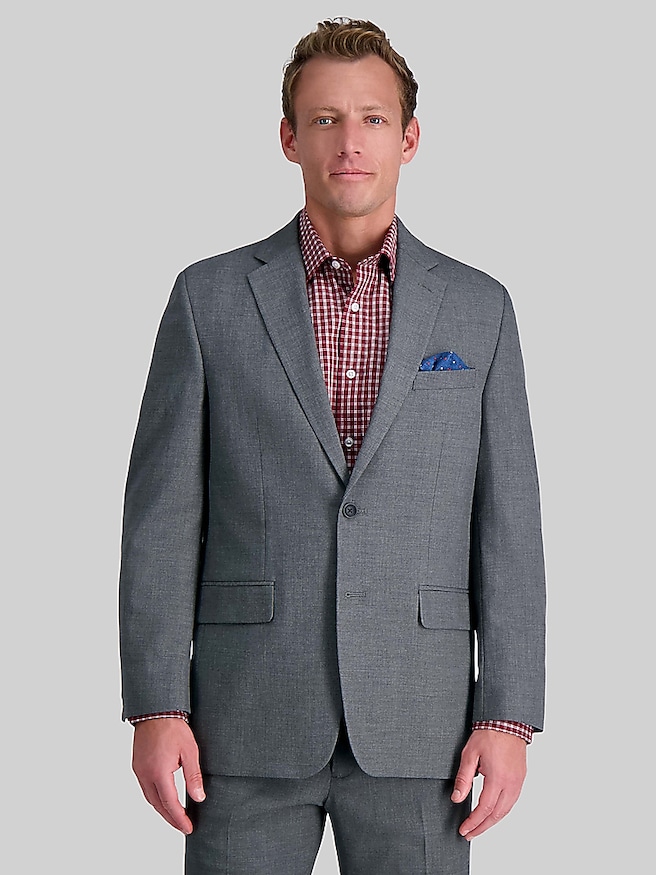
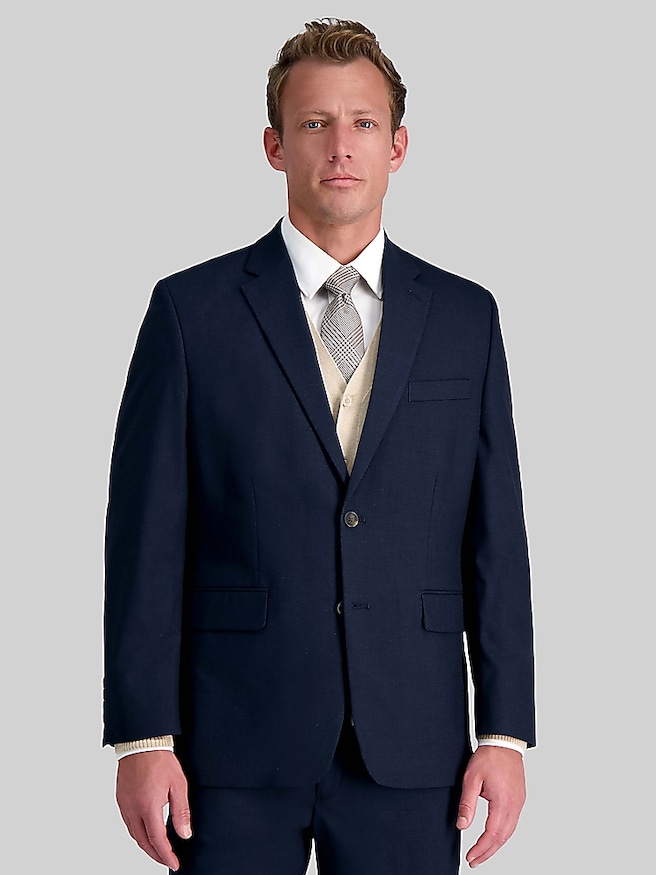
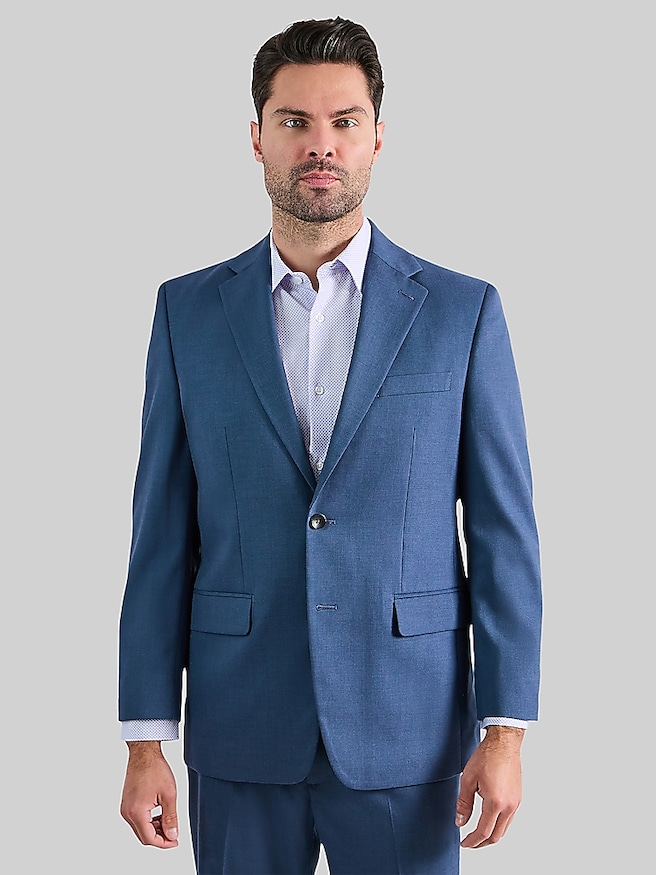
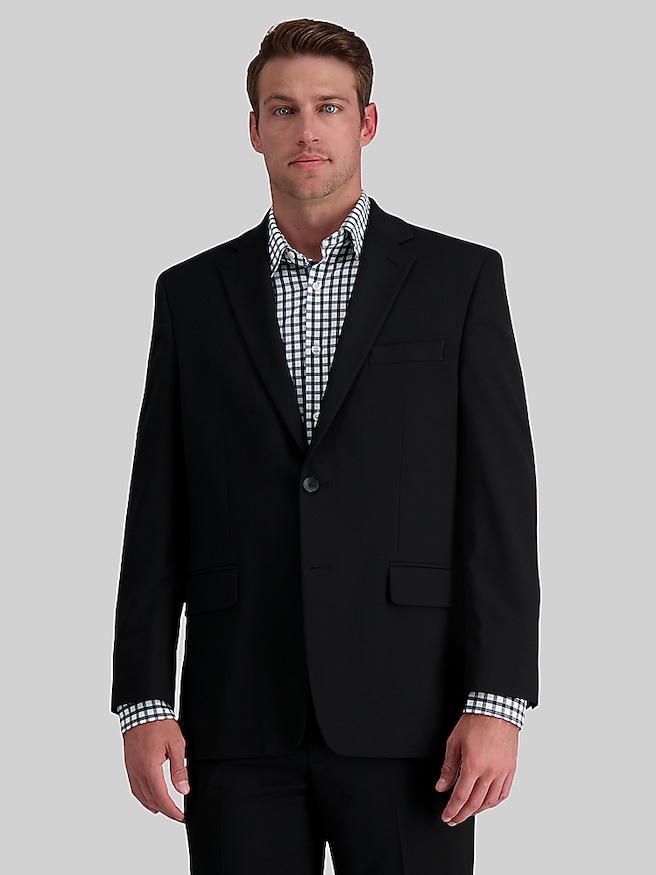
Wool blend clothing combines natural wool fibers with other fibers, such as polyester, nylon, cotton, silk, viscose, or elastane, to create fabrics with distinct textures, drape, and performance characteristics. Wool contributes natural resilience and the ability to absorb moisture vapor, while the companion fibers can influence softness, strength, stretch, and shape retention. The result depends on more than the wool percentage: yarn quality, fabric construction, finishing, and garment design all affect how clothing feels and wears. A densely woven wool blend can have a smooth, structured appearance suited to tailored clothing, while a knitted blend may feel more relaxed and flexible. Polyester can improve resistance to abrasion and help stabilize a fabric; nylon can reinforce yarns in areas that experience friction. Elastane adds stretch, although the amount of give also depends on the weave or knit. Silk can lend a subtle sheen and fluid drape, while cotton often adds a drier, more matte feel. Lyocell and viscose can contribute softness and a more flowing hand. None of these combinations guarantees a particular level of comfort or durability, so the fiber label is a useful starting point rather than the whole story. Fine wool fibers generally feel softer against the skin than coarser fibers, but finishing and individual sensitivity matter, too. For clothing worn close to the body, a smooth inner surface and comfortable seams can be just as important as the outer texture. For tailored layers, the lining also affects how easily the garment moves over a shirt and how comfortable it feels through a full day. Wool blend apparel works across professional, dress, and casual wardrobes because the category includes such a broad range of fabric constructions. A crisp woven surface brings definition to a business outfit, while a softly textured knit gives simple separates more depth. Subtle heathering, fine twill lines, and restrained patterns can add visual interest without making an outfit difficult to coordinate. Looking at both composition and construction provides a clearer sense of what a wool blend will contribute to a wardrobe.
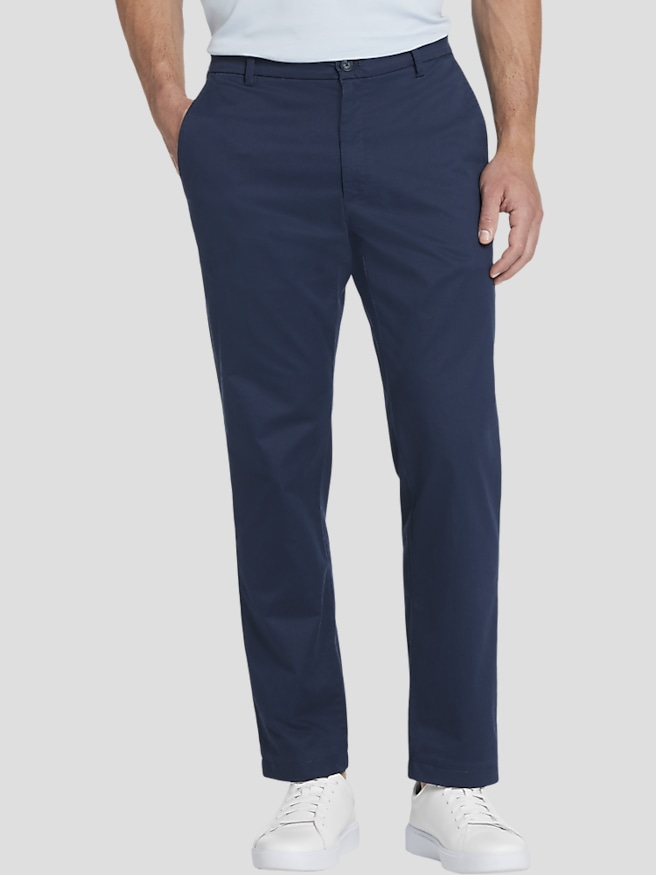
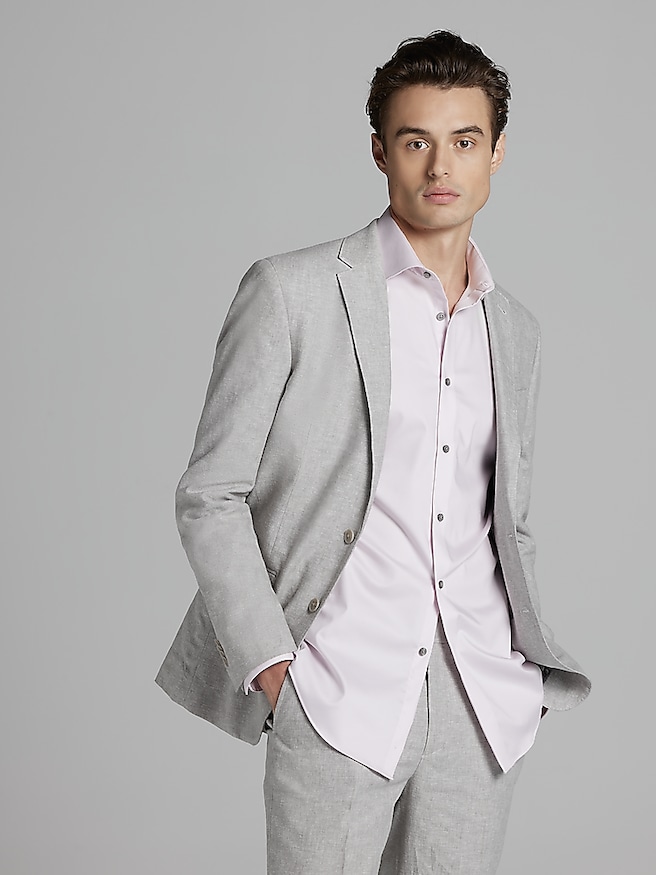
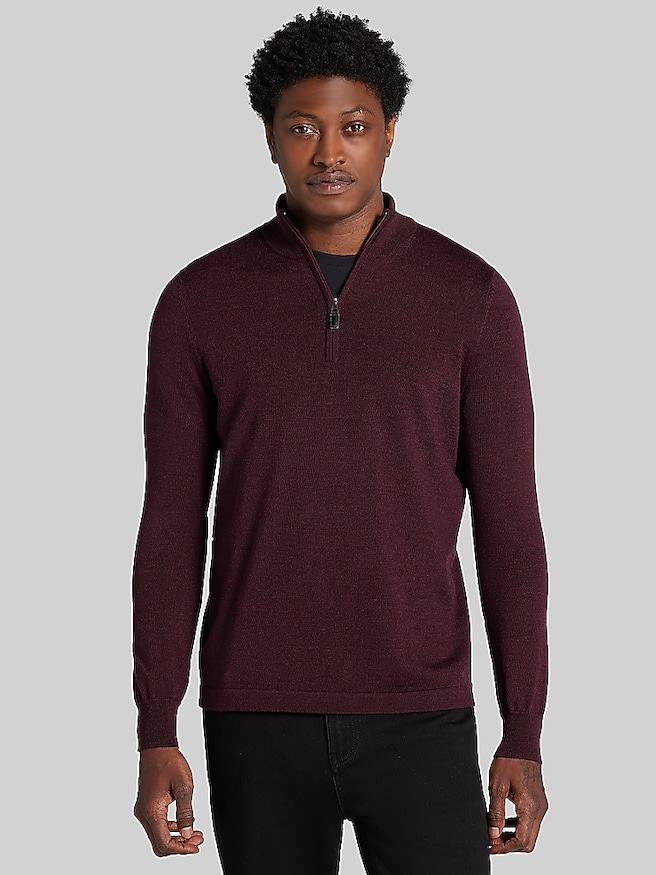
Fit gives wool blend clothing its finished appearance, whether the goal is a clean silhouette for client meetings or an easy shape for everyday wear. In tailored garments, the fabric should follow the body without pulling into sharp horizontal lines or collapsing into excess folds. Shoulder seams should sit close to the natural shoulder, and a jacket collar should rest neatly against the shirt collar rather than standing away from it. When a jacket is buttoned, the front should lie reasonably smooth, with enough room to sit and reach forward comfortably. Stretch can help with movement, but it does not replace appropriate sizing or thoughtful tailoring. Pants should sit securely at the intended waist position, with comfortable room through the seat and thighs. The fabric should fall cleanly down the leg instead of catching at the calf or bunching heavily over the shoe. A hem with little or no break creates a sharper outline, while a modest break offers a more traditional finish. For knitwear, check how the neckline sits, whether the cuffs hold their shape without squeezing, and whether the hem stays in place when the arms move. Clothing intended for layering needs enough ease to accommodate what goes underneath without adding unnecessary bulk. These details become noticeable during ordinary moments: reaching across a conference table, sitting through a ceremony, or carrying a bag through an airport. Smooth wool blend fabrics pair naturally with crisp shirts and polished footwear, while textured knits and softer tailoring work well with more relaxed separates. Contrast can keep an outfit from looking flat; a matte shirt under a subtly textured jacket lets each fabric stand out without competing. For another fabric option when coordinating everyday separates, cotton blend clothing offers combinations with their own range of finishes and structures. Wool blend clothing can also make a thoughtful gift for someone starting a professional role, attending dress occasions, or refining an everyday wardrobe. Familiar colors and a known fit preference are more useful starting points than an unusual texture or a silhouette the recipient has never worn.
Care and construction play a major role in how well wool blend clothing holds its appearance over time. The care label should always take priority, because adding another fiber does not automatically make wool washable, shrink-resistant, or suitable for a dryer. Some blends permit careful machine washing, while others require hand washing or professional dry cleaning; linings, interfacings, dyes, and trims can determine the appropriate method as much as the main fabric. When washing is permitted, follow the stated water setting and cycle, use a suitable detergent, and avoid unnecessary agitation. Heat and friction can cause wool fibers to felt or shrink, even when the fabric contains synthetic fibers. Knitted garments often benefit from drying flat and being gently reshaped according to their care instructions, rather than being hung while wet and allowed to stretch under their own weight. Between cleanings, airing garments and using a soft clothing brush on suitable woven surfaces can help remove loose dust and lint. Small marks deserve prompt attention, but vigorous rubbing can spread a stain or disturb the finish. For structured clothing or an unfamiliar stain, professional assessment is often the safer approach. Pressing and steaming also require care: use only methods appropriate to the label, since excessive heat or pressure can leave shine, flatten texture, or affect garment structure. Wide, supportive hangers help tailored jackets retain their shoulder shape, while folding knitwear reduces the risk of stretched shoulders and hanger marks. Allow clothing to dry fully before storage, and store clean garments in a dry space with appropriate protection against moths. Pilling can develop where fabric repeatedly rubs against a chair, bag strap, or another layer; it is not, by itself, proof of poor quality. Careful use of a fabric comb or shaver may improve the surface when the garment’s construction allows it. Reinforced seams, even stitching, securely attached buttons, and stable hems are useful signs to examine alongside the fiber content. With an appropriate fit, thoughtful handling, and care matched to the fabric, wool blend clothing can remain a dependable part of a frequently worn wardrobe.