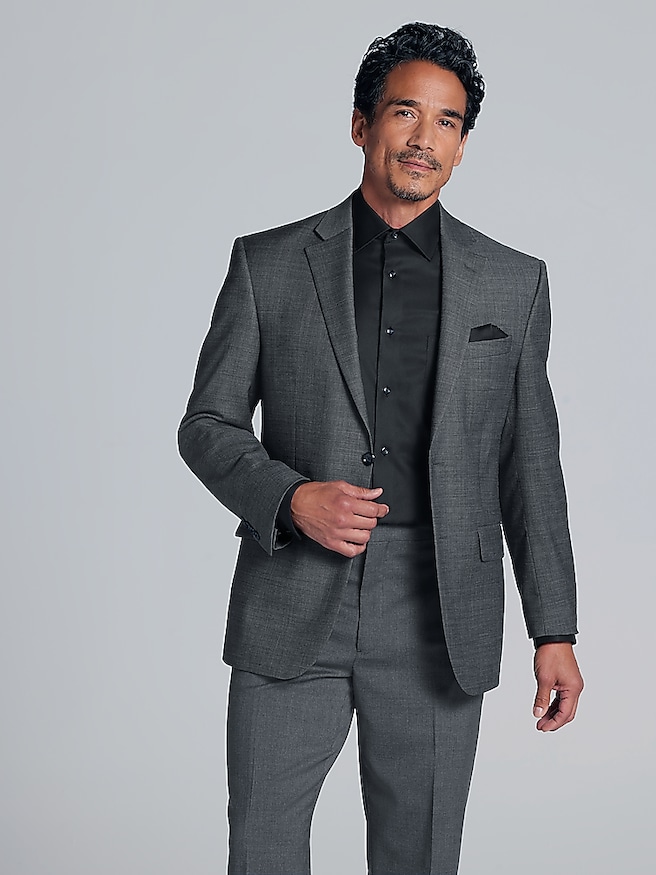
Men’s wool-blend clothing combines natural wool with other fibers to balance texture, structure, comfort, and durability. Depending on the fabric, those additional fibers may include polyester, nylon, cotton, silk, cashmere, or a small amount of elastane. Each combination has a distinct feel and purpose, so the words “wool blend” describe a broad family of fabrics rather than one uniform material. Wool contributes natural resilience and a texture that can range from smooth and finely woven to brushed and substantial. Polyester may improve shape retention, while nylon can add strength and resistance to abrasion. Elastane introduces stretch, although the amount of movement also depends on the weave and garment construction. Cashmere can lend softness, and silk may add a subtle sheen and fluid drape. The fiber percentage matters, but it does not tell the whole story: yarn quality, fabric density, finishing, and tailoring all influence how a garment feels and wears. A smooth wool-blend suit fabric creates a clean line for business meetings or wedding celebrations, while a textured jacket can bring depth to an otherwise simple shirt-and-trouser combination. Wool-blend coats offer another expression of the material, with more substantial fabrics that support defined lapels, a structured front, and a generous silhouette for layering. Breathability, wrinkle recovery, and softness vary by composition, so no single blend should be assumed to perform exactly like another. A densely woven fabric may feel quite different from an open weave even when their fiber percentages are similar. Color and surface texture make a difference, too. A fine charcoal weave reads as restrained and formal, while a flecked gray or brown fabric has a more relaxed character. These distinctions make men’s wool blends useful across a wardrobe, from tailored clothing for important occasions to separates that make everyday dressing feel more considered. The strongest choices suit both the setting and the way the clothing will actually be worn, whether that means hours at a desk, an evening reception, or regular movement between appointments.
Fit gives wool-blend clothing much of its character, particularly in jackets, suits, and trousers. A jacket should sit neatly across the shoulders, with the collar resting close to the shirt and the front lying smoothly when fastened. Pulling around the button, pronounced folds across the back, or a collar that stands away from the neck can interrupt an otherwise polished silhouette. A slim fit follows the body more closely, while a classic fit generally allows additional room through the chest, waist, and seat; the label is only a starting point because proportions vary. Even fabric with stretch needs enough room for sitting, reaching, and walking comfortably. Trousers benefit from a waistband that stays in place without relying on a tightly cinched belt, a clean line through the thigh, and a hem length that works with the intended shoes. For coats, the fit needs to accommodate the clothing underneath without creating an oversized shoulder or an excessively loose body. Trying a coat over a tailored jacket gives a more useful sense of proportion than trying it over a thin T-shirt alone. Fabric weight and texture also influence how separates work together. A softly textured wool-blend jacket can complement cotton chinos or neatly finished denim, while smoother trousers create a sharper pairing with a dress shirt and leather shoes. For occasions that call for tailoring without a matching suit, Wool Blend Sport Coats offer a natural connection between structured dressing and relaxed separates. Navy, charcoal, and medium gray provide versatile foundations, while checks, subtle herringbones, and heathered finishes introduce visual interest without requiring elaborate accessories. At a business dinner, a solid shirt allows the fabric’s texture to stand out; at a family celebration, a patterned tie or pocket square can add personality. Small alterations to sleeve length or trouser hems can improve the finished appearance, provided the garment’s underlying proportions already suit the wearer. Thoughtful fit makes the material look intentional rather than simply dressed up.
Care and construction help determine how well men’s wool-blend clothing holds its appearance over time. The care label is the starting point because blended fibers, linings, interlinings, and surface finishes can require different treatment. A garment that contains washable fibers is not necessarily suitable for machine washing, and a wool-blend jacket may need professional cleaning even when another garment with a similar fiber composition does not. Between cleanings, gentle brushing with an appropriate garment brush can remove surface dust, while airing clothing in a ventilated space helps freshen it without unnecessary processing. Broad, supportive hangers preserve a jacket’s shoulder shape, and trousers should be hung or folded in a way that avoids persistent pressure marks. Giving tailored clothing a break between wears allows the fabric to relax and helps reduce repeated stress at the elbows, knees, and seat. Bags carried against the same spot and frequent friction along cuffs or underarms can contribute to surface wear or pilling; careful handling and suitable fabric-care tools help maintain a tidy finish. Spills deserve prompt attention, but rubbing or applying an untested cleaner can spread a mark or affect the fabric. Following the label’s directions and consulting a professional cleaner for difficult stains is a more reliable approach. Before longer storage, clothing should be clean and fully dry, with breathable protection and appropriate measures against fabric pests. For gifting, wool-blend clothing works best when the recipient’s measurements, preferred fit, and daily routine are familiar. Someone who wears tailored separates to the office may appreciate a different fabric and silhouette than someone dressing mainly for ceremonies and special dinners. Familiar colors, comfortable proportions, and manageable care requirements make a gift easier to incorporate into an existing wardrobe. Whether chosen for personal use or a meaningful occasion, a well-considered wool blend brings together the tactile appeal of wool, the characteristics of its companion fibers, and the practical details that support repeated wear.