Winter sportswear brings together warmth, moisture management, and freedom of movement for cold-weather activity and everyday casual dressing. For active use, a practical layering system starts with a moisture-wicking layer next to the skin, adds insulation to hold warmth, and finishes with an outer layer suited to wind or precipitation. Each layer serves a distinct purpose, and the right combination depends on exertion, exposure, and how much time is spent indoors. A brisk walk can generate enough body heat to make a heavy outfit uncomfortable, while standing beside a playing field calls for more insulation. Fabric choice helps account for that difference. Polyester and other synthetic performance fabrics can move moisture away from the skin and dry relatively quickly, depending on their construction. Merino wool can help manage moisture and temperature, with a finer fiber that often feels softer than traditional coarse wool. Fleece provides insulation without necessarily adding substantial weight, although an open fleece structure may let wind pass through unless another layer blocks it. Cotton can feel comfortable for relaxed indoor wear and brief outings, but it holds moisture and dries slowly, making it less suitable next to the skin during sustained exercise in the cold. The distinction matters when a morning walk includes a steep hill or an easy outing turns into a longer stretch outdoors. Winter athletic wear should support the activity rather than simply feel warm when first put on. Breathable materials and adjustable coverage make it easier to release excess heat before perspiration builds up. For less active settings, soft knits and brushed interiors can provide comfortable warmth without the technical features needed for training. Sportswear also has a place beyond exercise: casual workplaces, travel days, neighborhood walks, and relaxed gatherings all call for clothing that moves easily and feels comfortable over several hours. The most useful construction balances the warmth needed outside with the comfort expected after stepping into a heated room.
Fit determines how well those materials work together. A next-to-skin layer should sit close enough to manage moisture without pinching at the underarms, restricting the shoulders, or pulling across the back. Insulating layers need enough space to preserve their loft, while the outer layer should accommodate everything underneath without becoming cumbersome. When insulation is compressed tightly, it has less room to trap warm air. Excess fabric can create its own problems, bunching at the waist or allowing drafts through loose openings. Simple movements reveal more than a still view in a mirror: reaching forward, bending to tie a shoe, and sitting down should all feel natural. Shoulder seams, sleeve length, and the rise through the waist deserve particular attention when clothing will be worn for driving, walking, or long periods of sitting. Stretch can improve mobility, but fabric recovery matters too; material that returns to its shape helps prevent sagging at the elbows and knees. Smooth interior seams and thoughtfully positioned closures reduce friction where layers overlap. For outdoor activity, weather resistance should match the likely conditions. Wind-resistant fabric helps limit the chill caused by moving air, while water-resistant finishes can shed light moisture but should not be assumed to provide the protection of a waterproof construction. Waterproof protection depends on more than the face fabric; seams and closures also affect how effectively moisture stays out. Breathability matters alongside protection because trapped perspiration can leave clothing damp from within. Adjustable openings allow small changes as effort increases or a route becomes more sheltered. Coverage at the neck, wrists, and ankles helps reduce exposed gaps, especially when reaching or bending. Specialized winter sports may require activity-specific apparel and protective equipment beyond everyday sportswear. A comfortable outfit for errands or a casual walk is not automatically appropriate for prolonged exposure, demanding mountain conditions, or high-output training. Intended use should remain the starting point for choosing weight, coverage, and construction.
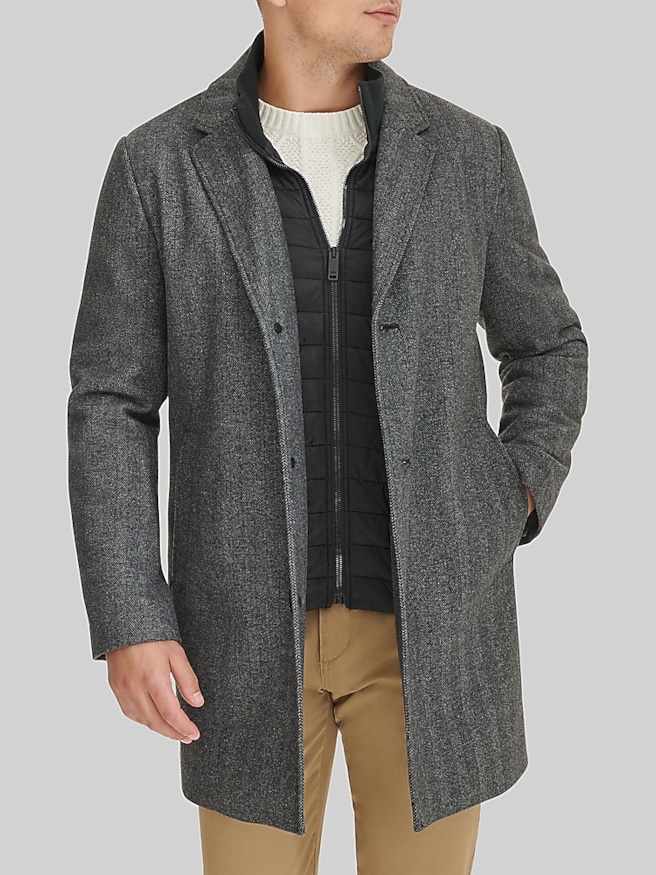
Durability and care help winter sportswear retain its comfort, shape, and usefulness through repeated wear. Closely examine areas that experience regular friction, including cuffs, underarms, inner legs, and places where a shoulder strap rests against the fabric. Even stitching, secure closures, and fabric with good recovery are useful signs of considered construction, although no single feature guarantees a longer lifespan. Fine knits may need gentler handling than densely woven materials, and some soft surfaces develop pilling where they rub against another layer. Following the care label is especially important when an outfit combines wool, stretch fibers, brushed insulation, and technical finishes. Excessive heat can affect certain fibers and elastic components, while fabric softener may interfere with moisture management or water-repellent performance on some technical fabrics. Wash methods and drying temperatures should follow the requirements of each garment rather than a single routine for everything. Where the label allows, reshaping knitwear and drying it flat can help preserve its proportions. Clothing should be thoroughly dry before storage, and heavily perspired-in layers benefit from prompt care rather than remaining bundled in a bag. These habits are particularly useful for pieces worn repeatedly between commuting, casual outings, and light activity. Appearance matters as well: a restrained mix of colors and compatible fabric weights makes layers easier to combine without creating a bulky silhouette. A textured insulating layer can add depth to a simple outfit, while a smoother outer surface keeps the overall look clean. For a broader perspective on coordinated cold-weather dressing, Modern Winter Wear connects naturally with the same emphasis on proportion, comfort, and adaptable layers. Winter sportswear can also make a thoughtful gift for someone who enjoys daily walks, travels frequently, or prefers relaxed clothing with practical details. Familiar sizing, a comfortable texture, and care requirements that suit the recipient’s routine are more useful considerations than an unfamiliar technical feature. Whether intended for movement outdoors or an easygoing day close to home, well-chosen sportswear earns its place through comfortable fit, appropriate protection, and materials that suit the way it will actually be worn.