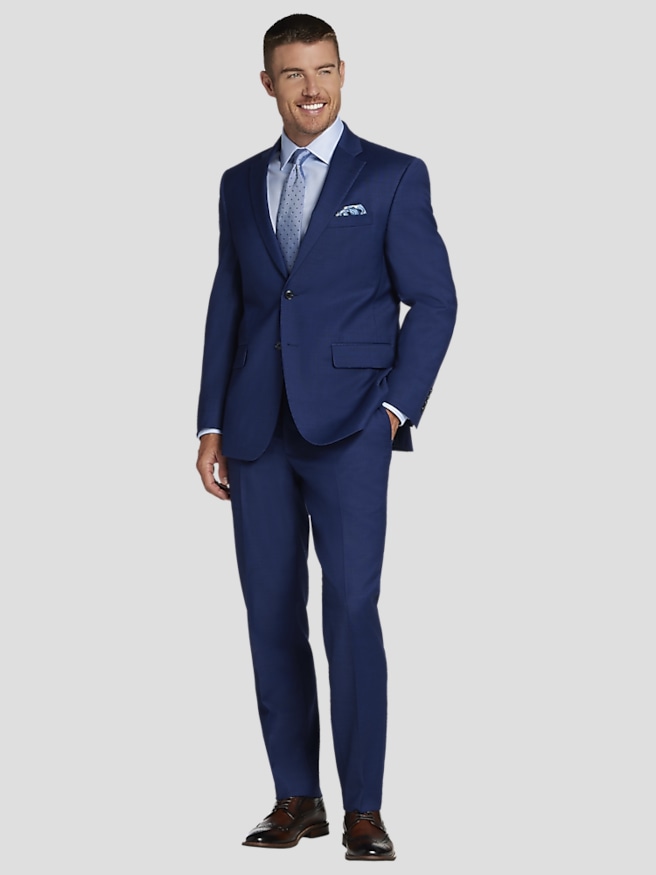
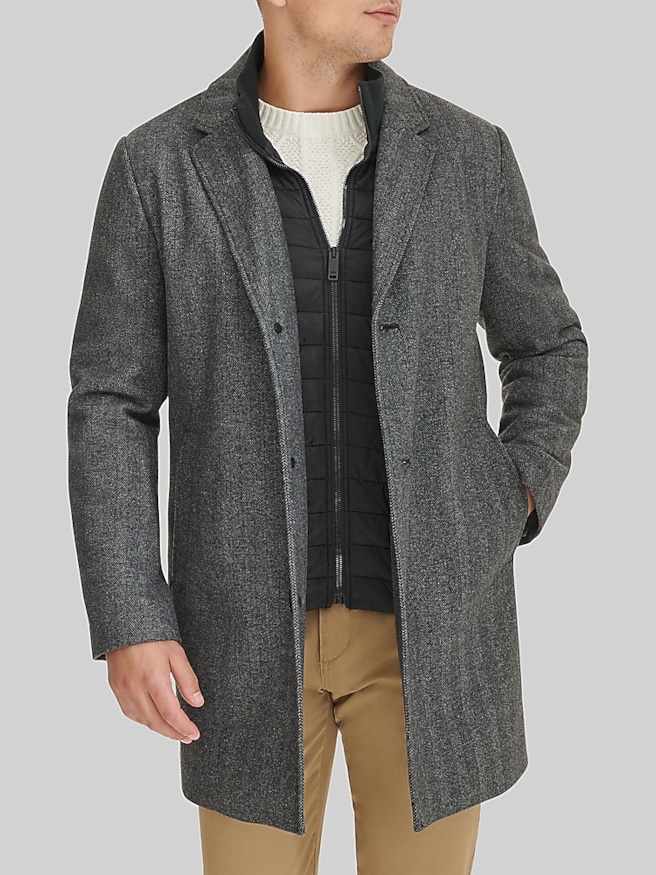
When it comes to preparing for the cooler months, choosing the right winter clothes for men is all about balancing style, comfort, and functionality. Whether you’re commuting to the office, heading out for weekend errands, or dressing for a special occasion, the foundation of mens winter fashion begins with understanding how to layer effectively. The classic three-layer system—base, mid, and outer—remains the gold standard for staying warm and dry. Start with a base layer designed to wick moisture away from your skin; merino wool and high-performance synthetics excel here, keeping you dry even as temperatures fluctuate. Over this, an insulating mid-layer such as a thick knit, fleece, or quilted vest traps body heat without adding excessive bulk, allowing for easy movement under a suit jacket or over a casual shirt. Finally, a weather-resistant shell or overcoat shields you from wind, rain, and snow, making it the essential finishing touch for any men clothes winter collection. Accessories like thermal socks, soft beanies, and insulated gloves are not just practical—they’re also opportunities to add personal flair to your mens winter outfits.
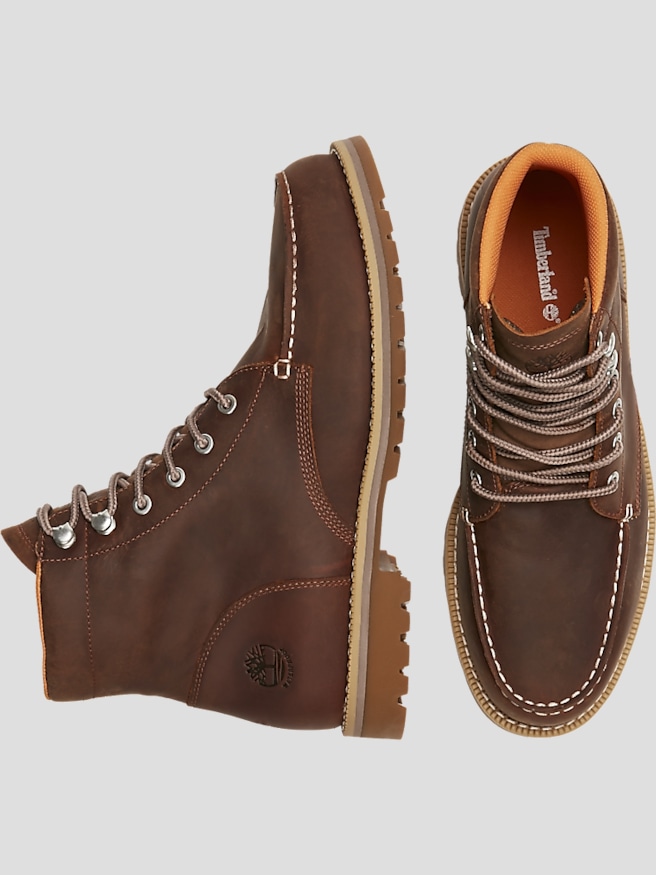
Winter clothes for men are as versatile as the men who wear them. For the professional navigating city streets, a tailored wool coat layered over a sweater and dress shirt offers both sophistication and warmth. Outdoor enthusiasts might favor rugged parkas, water-resistant boots, and technical base layers that stand up to unpredictable weather. Even a simple walk through the neighborhood or a weekend getaway calls for the best winter clothes for men: think cozy scarves, durable boots, and a reliable outer layer. These pieces not only provide protection against the chill but also make thoughtful and practical gifts for birthdays, holidays, or special milestones. A well-chosen winter accessory or jacket can become a staple in someone’s wardrobe for years, evoking memories of shared adventures or thoughtful gestures. As the weather warms and the seasons shift, many men find themselves reaching for lighter versions of their winter favorites—versatile layering pieces that transition seamlessly from brisk mornings to milder afternoons.
No matter your plans or personal style, investing in quality winter wear ensures you’re ready for whatever the season brings. From classic peacoats to contemporary puffers, each garment is designed with both performance and appearance in mind, allowing you to express your individuality while staying comfortable. For those seeking a dependable outer layer, explore the range of Winter Coats to find options that suit every taste and occasion. Whether you’re upgrading your own closet or searching for a meaningful gift, these essential pieces help you navigate the season with confidence, warmth, and timeless style.