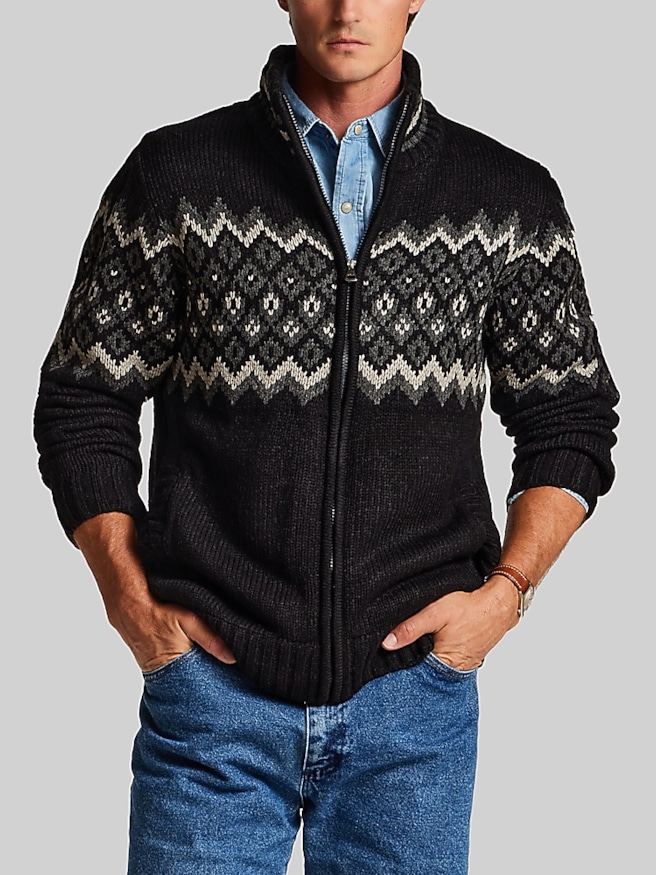
Winter wear essentials are the foundation of a comfortable, versatile cold-weather wardrobe. The right combination of insulating layers and weather-resistant outerwear helps you stay warm through brisk commutes, weekend walks, outdoor gatherings and long stretches between the car, office and home. Start with the layer closest to your skin. Thermal tops and bottoms made from moisture-wicking synthetic fibers or naturally temperature-regulating merino wool can help move perspiration away from the body while retaining warmth, making them useful beneath work clothes, casual outfits and formalwear. A lightweight base layer should fit smoothly without restricting movement or creating visible bulk. Over it, a soft sweater, knit cardigan or fleece layer adds breathable insulation. Wool and cashmere are valued for their warmth and refined texture, while fleece offers comfortable, lightweight performance when you need an easy layer for errands, travel or outdoor activity. Turtlenecks and mock necks can provide extra coverage at the collar while giving an outfit a polished appearance, whether worn beneath a sport coat or paired with denim and casual trousers. When choosing sweaters, consider the weight of the knit, the room needed for layering and the care instructions that fit your routine. A dependable neutral shade can work across many outfits, while richer seasonal tones bring depth to a winter wardrobe without making dressing feel complicated. These practical pieces also make thoughtful gifts for a partner, parent, son, brother or friend, especially when selected with everyday comfort and personal style in mind.
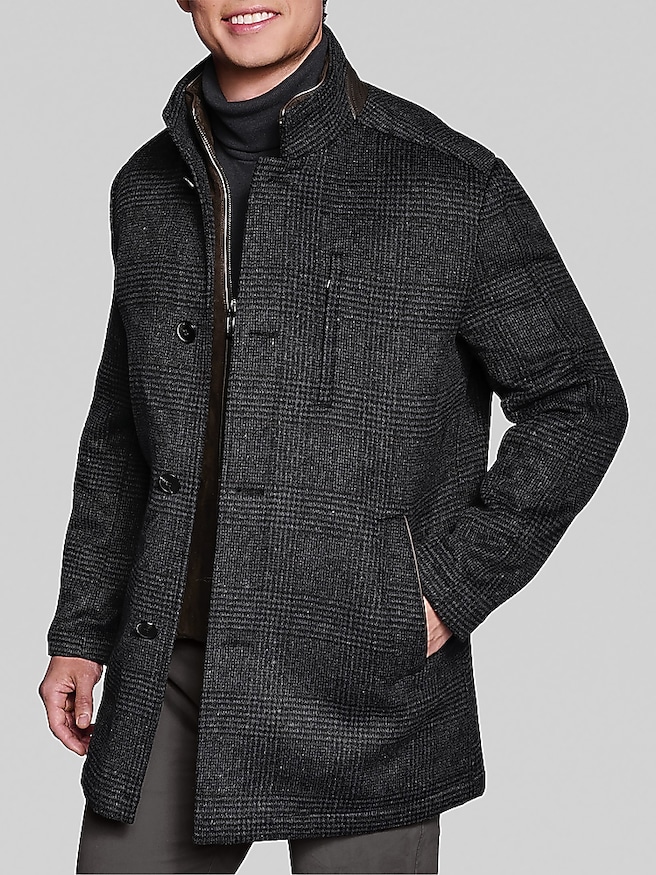
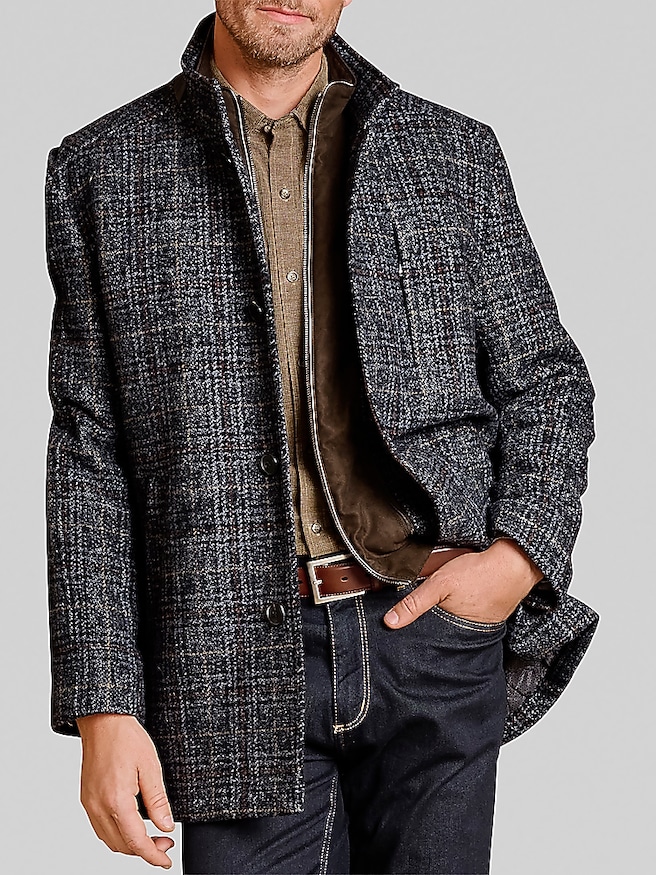
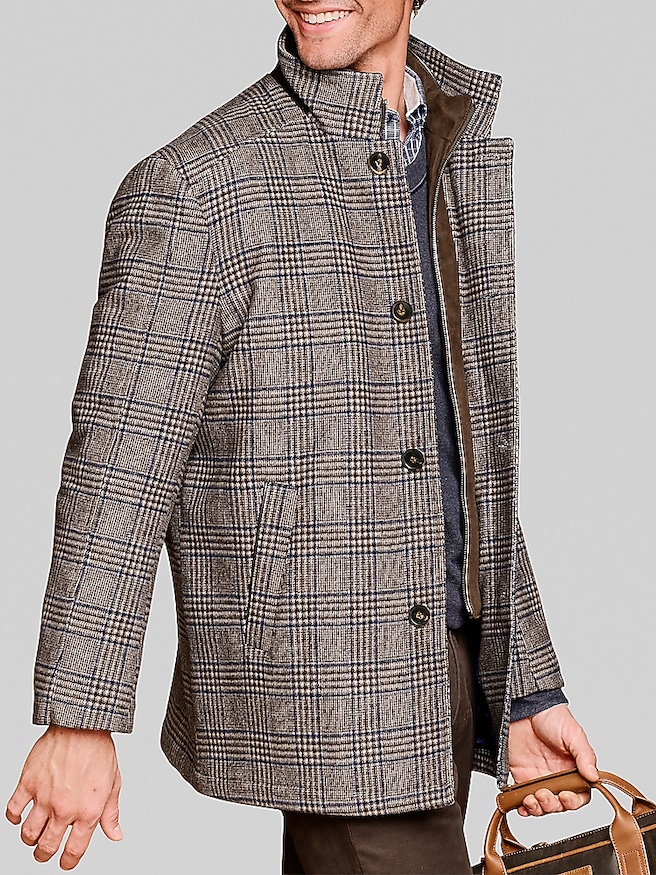
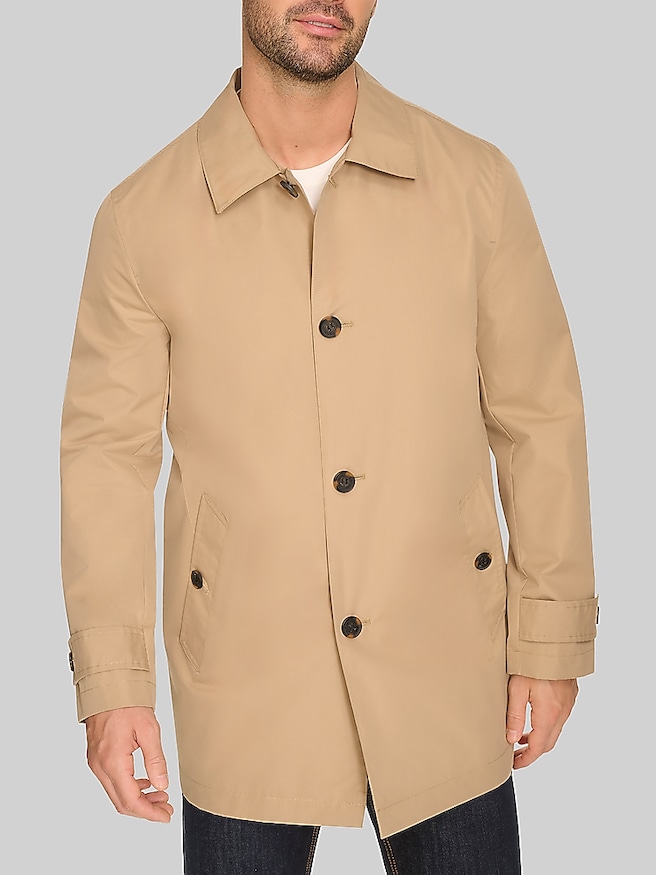
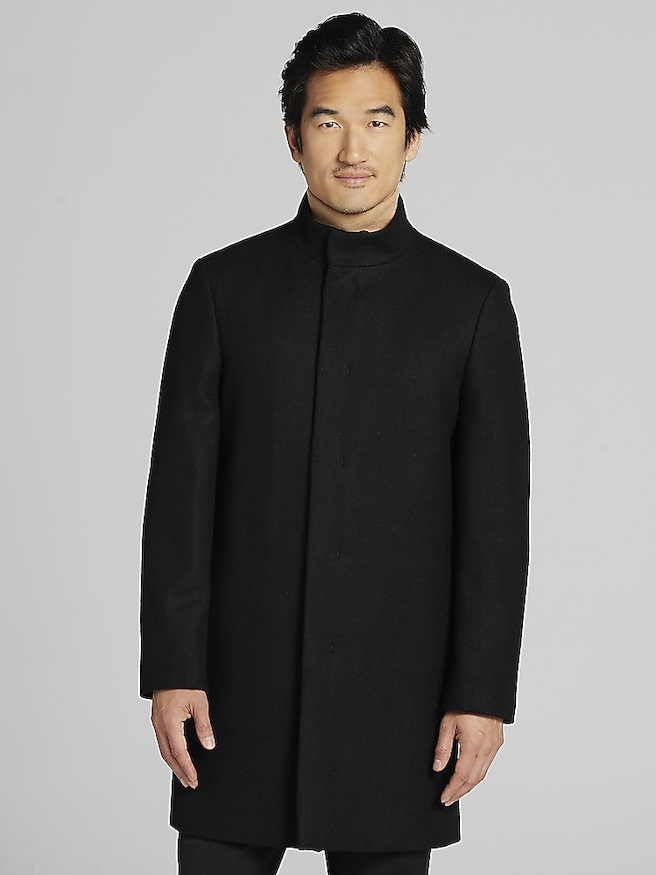
Outer layers should be chosen according to the conditions you expect to face and the amount of time you spend outside. A well-insulated coat or parka helps hold in body heat, while a water-resistant or waterproof shell protects against rain, sleet and wet snow. Longer silhouettes can provide additional coverage over sweaters and tailoring, and wind-resistant construction is especially useful on exposed sidewalks, open transit platforms and blustery weekend walks. For extended outdoor activities, insulation level, hood design, pocket placement and ease of movement deserve close attention. Heated outerwear can offer adjustable warmth for people who spend prolonged periods outside, including commuters, travelers, outdoor workers and spectators at cold-weather events. For everyday city wear, a lighter coat layered over knitwear may offer the flexibility to move comfortably between chilly streets and heated interiors. Bottom layers matter as well. Corduroy, flannel-lined or heavier-weight trousers can feel warmer than lightweight fabrics, while stretch construction makes it easier to sit, walk and move throughout a busy day. If you wear slimmer trousers, look for base layers that lie flat underneath rather than bunching at the knees or waist. Warm socks made with wool blends or other insulating fibers help reduce heat loss around the feet, and weather-ready boots with water resistance and dependable traction can make wet pavement, packed snow and slick sidewalks easier to navigate. Keep accessories in the same practical spirit: insulated gloves protect fingers, a knit hat helps conserve warmth, and a scarf or neck warmer closes the gap between a coat collar and the face. These smaller additions are easy to pack, simple to gift and useful for nearly anyone who spends time outdoors during the cooler months.
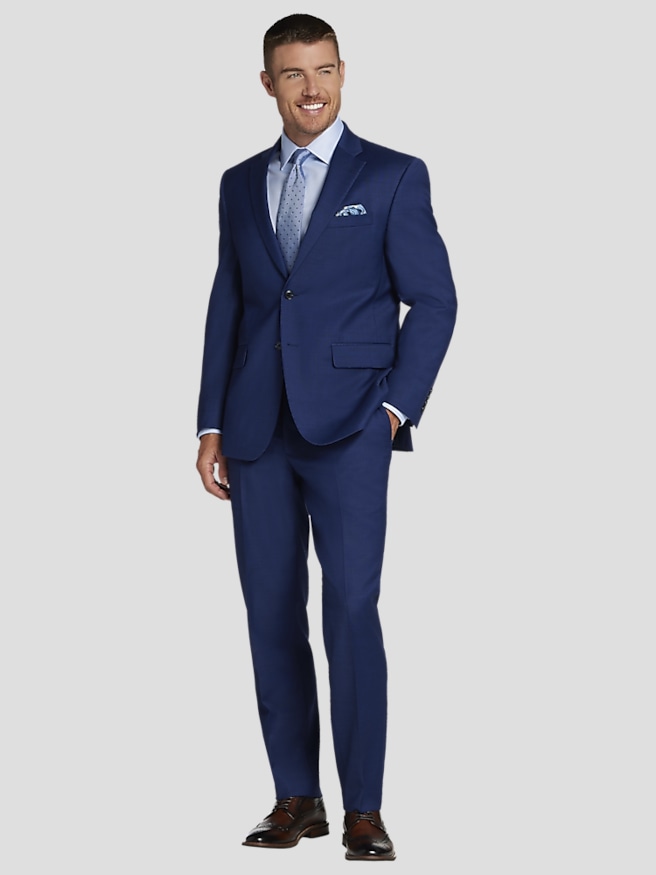
Building a winter wardrobe is less about owning one heavy layer and more about creating combinations that can adapt as conditions change. A base layer, midweight knit and protective coat can be adjusted throughout the day, allowing you to stay comfortable when a cold morning gives way to a warmer afternoon or when you move from an open-air setting into a heated room. For professional wardrobes, refined sweaters, crisp shirts, tailored trousers and a structured overcoat can provide warmth without sacrificing a composed appearance. A turtleneck beneath a jacket offers a clean alternative to a traditional collared shirt, while a fine-gauge sweater can add insulation beneath a suit or sport coat without overwhelming the fit. For relaxed dressing, fleece, textured knits, warm pants and durable footwear create an easy uniform for travel, errands and casual gatherings. Pay attention to color coordination so that layers work together; charcoal, navy, camel, olive, black and deep burgundy can be mixed across dressy and casual outfits. Fit remains essential: sleeves should extend far enough to meet gloves, shoulders should allow a sweater underneath, and the coat should close comfortably without pulling across the chest. Before purchasing, consider local weather, daily commute, work environment, storage needs and how often each item will be worn. Care and durability matter, too, since proper laundering, air drying and seasonal storage can help preserve the shape and performance of winter fabrics. Whether you are refreshing your own cold-weather rotation or assembling a useful gift, the Mens Winter Essentials collection brings together adaptable layers and protective pieces designed to make cooler days feel more comfortable, capable and well dressed.