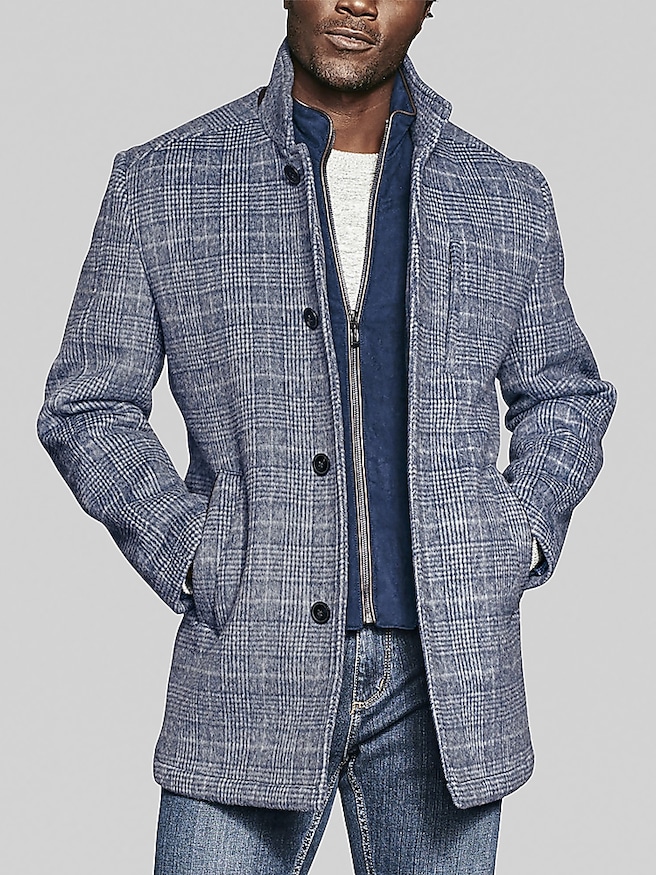
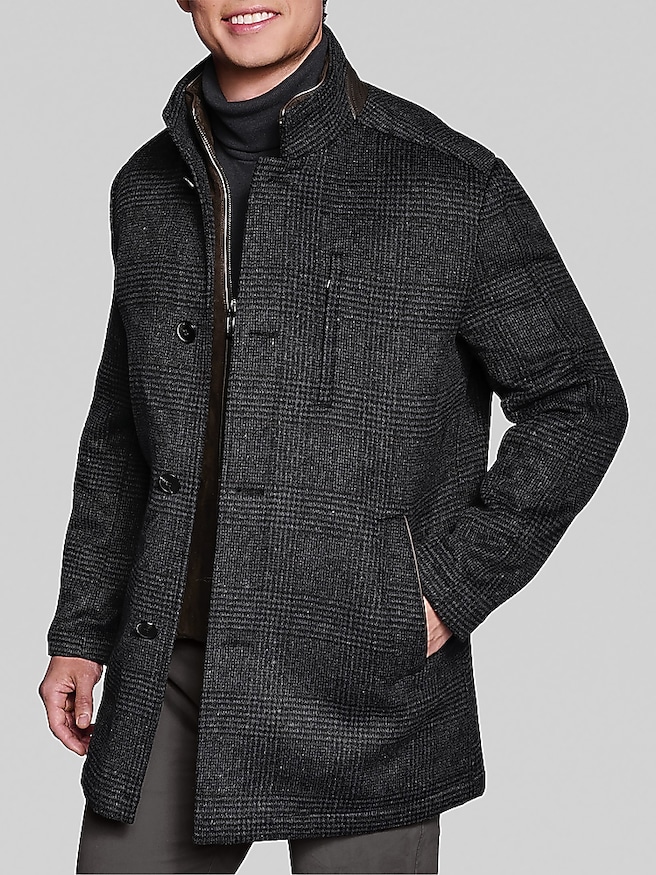
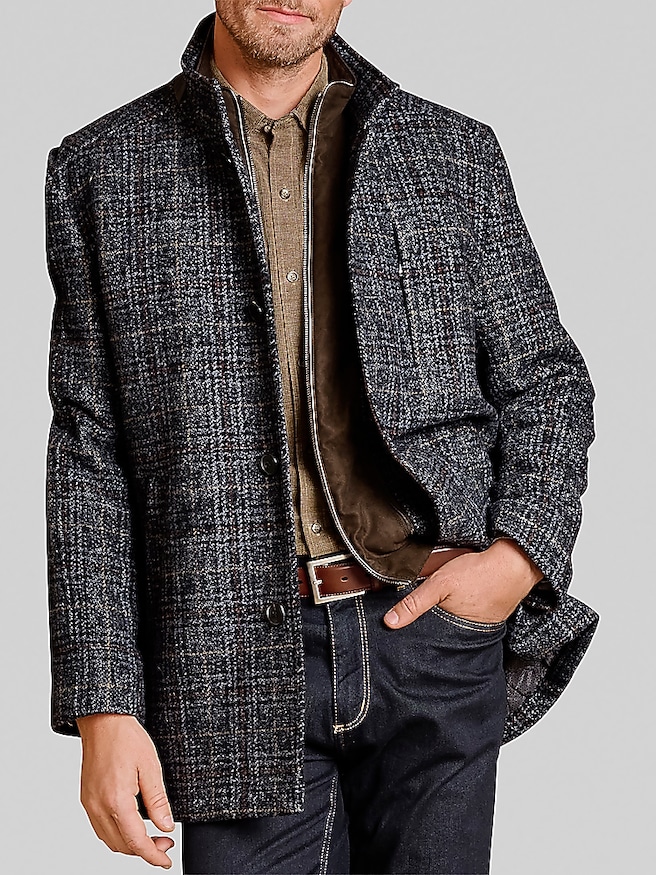
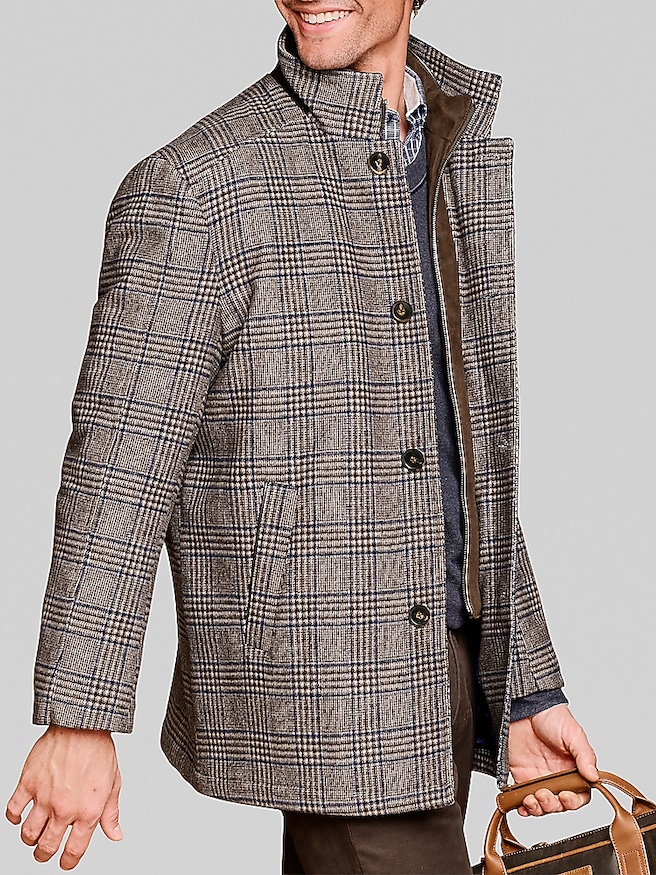
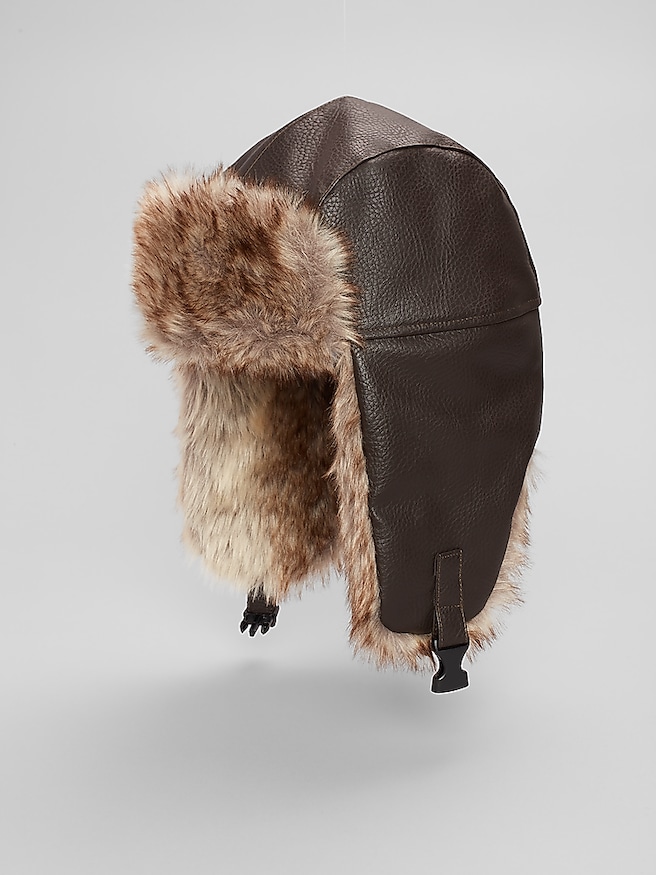
Outerwear essentials combine weather protection, comfortable insulation, and versatile styling in layers that suit everyday routines. A dependable outerwear wardrobe can cover the walk from the train to the office, an evening over a tailored suit, and a weekend spent outdoors without making every occasion feel equally dressed up. Overcoats bring a clean, elongated shape to business clothing and dressier outfits, while shorter jackets work naturally with jeans, chinos, and casual knitwear. Quilted and insulated styles add warmth without necessarily requiring a heavy silhouette, and lightweight shells offer protection when wind or rain is the main concern. The most useful choice depends on how much time is spent outside, the clothing worn underneath, and the level of formality the day requires. Someone moving between a car and an office may favor a less bulky layer, while a commuter waiting on an exposed platform may appreciate added length, a higher collar, and secure closures. Fit matters just as much as the category. Shoulder seams should sit comfortably, sleeves should allow easy movement, and the front should close without pulling across the chest or creating deep folds at the waist. An outer layer worn over a suit jacket needs enough room through the shoulders and upper arms for both garments to settle smoothly. A jacket intended for a T-shirt or fine-gauge sweater can sit closer to the body without feeling restrictive. Reaching forward, sitting down, and bending the elbows reveal more about practical comfort than standing still in front of a mirror. Length also affects coverage and proportion: a longer coat helps shield the legs and should comfortably cover the jacket beneath it, while a shorter hem offers easier movement for driving or an active afternoon. Clean lines, balanced proportions, and room for the intended layers help outerwear feel like part of an outfit rather than an afterthought. Neutral shades such as navy, charcoal, black, and brown coordinate easily with established wardrobes, while texture can add interest without competing with the rest of the clothing.
Materials give outerwear much of its character, influencing warmth, weight, texture, and everyday upkeep. Wool and wool blends offer insulation with a structured appearance that complements tailoring, although fabric weight, weave, and lining all affect how warm a coat feels. A tightly woven surface can help limit drafts, but wool alone should not be treated as a substitute for a waterproof shell in prolonged rain. Blended fabrics may add resilience or help a garment retain its shape, depending on the fibers and construction. Down insulation provides warmth with relatively little weight and compresses easily, making it appealing when bulk is a concern. Fill power describes the loft of down rather than guaranteeing the warmth of an entire garment; the amount of insulation, its distribution, shell construction, and overall coverage matter too. Synthetic insulation generally maintains more insulating ability when damp and can suit routines that involve variable conditions. In either case, insulation performs best when the outer fabric and closures help manage exposure to wind and moisture. Water-resistant fabrics can handle light precipitation, while dependable waterproof performance involves more than the fabric alone: seams, zippers, and other openings also need protection. Breathability matters for someone walking several blocks or climbing station stairs, since trapped perspiration can leave inner layers feeling damp. Leather offers a distinctive surface and a shape that can develop character with wear, but its response to moisture and care requirements vary by finish. Linings deserve attention as well. A smooth lining slides easily over a blazer or sweater, while a warmer lining changes how much additional layering feels comfortable. Practical details make these material differences useful in daily life. A collar that closes near the neck helps reduce drafts, adjustable cuffs can limit openings at the wrists, and pockets with secure closures keep small belongings contained. A two-way zipper or back vent can make a longer silhouette more comfortable when seated. These details are most valuable when they match the way the garment will actually be worn, rather than adding complexity for its own sake.
Durability becomes visible in the places outerwear handles repeated movement: pocket openings, cuffs, underarms, closures, and the lining around the shoulders. Even stitching, securely attached buttons, smoothly operating zippers, and neatly finished seams support regular wear, although no single detail determines how long a garment will last. A substantial fabric is not automatically the best choice for every routine; flexibility, manageable weight, and comfort can matter more for someone carrying a bag or traveling frequently. Care should suit the material and construction, with the sewn-in label taking priority over general assumptions. Structured wool coats often require professional cleaning, while some insulated jackets can be washed according to specific instructions. Excess detergent, unsuitable heat, or incomplete drying can affect certain fabrics and fillings, so care methods should never be borrowed from a similar-looking garment without checking its label. Leather may need care products suited to its finish rather than ordinary laundry treatments. Between cleanings, airing out a garment, emptying its pockets, and using an appropriate hanger help preserve its shape. Damp outerwear should dry thoroughly before storage, away from direct heat that could damage the surface or lining. These habits are especially useful for a layer worn repeatedly on commutes, business trips, and evenings out. Outerwear also belongs within a broader wardrobe of Winter Clothing Essentials, with sweaters, base layers, and accessories contributing warmth without crowding the fit. As a gift for a partner, father, adult son, or recent graduate, an outer layer is most personal when it reflects an established routine and preferred style. Familiar colors, the recipient’s usual level of formality, and accurate measurements provide a stronger starting point than an unfamiliar silhouette. Someone who regularly wears tailoring may appreciate clean structure and coverage, while someone with a casual routine may prefer a shorter, more flexible shape. The strongest outerwear essentials feel comfortable in motion, coordinate with clothing already worn, and provide protection appropriate to the places and occasions they will encounter.