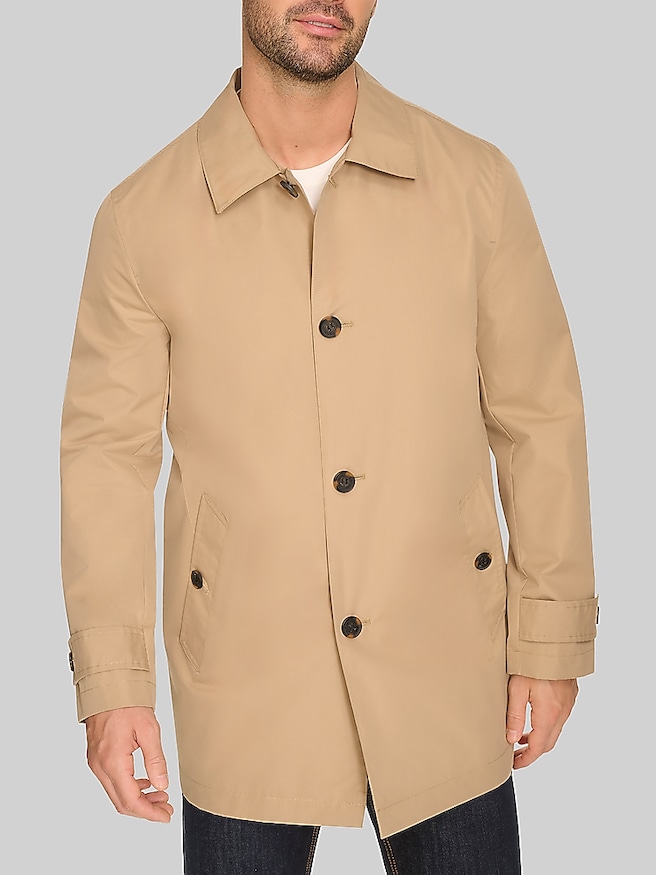
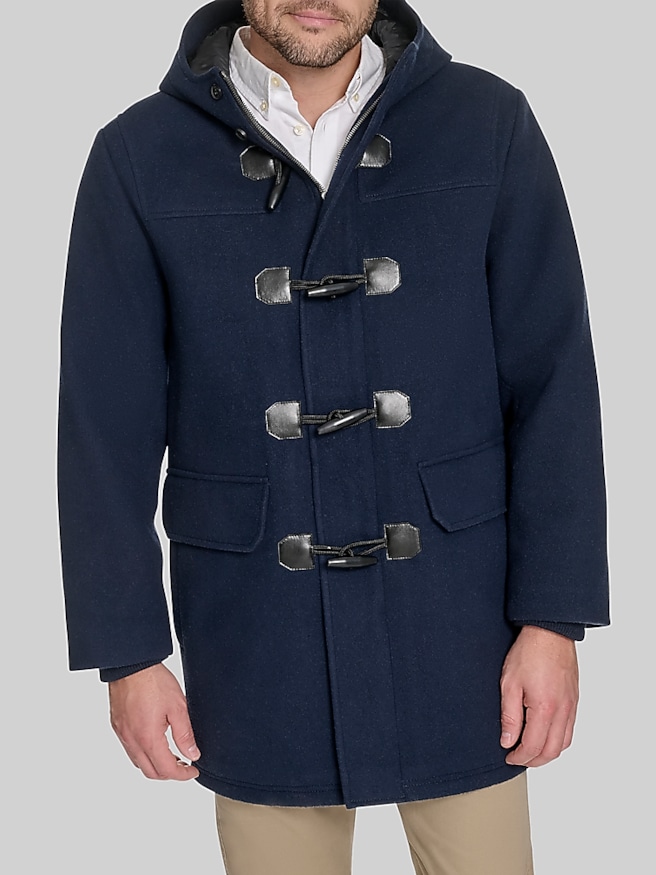
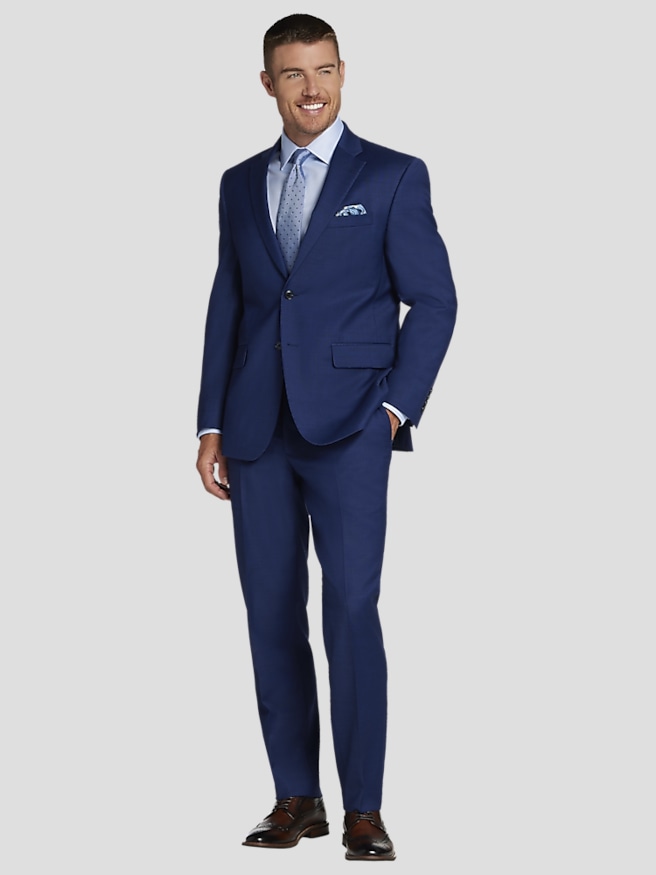
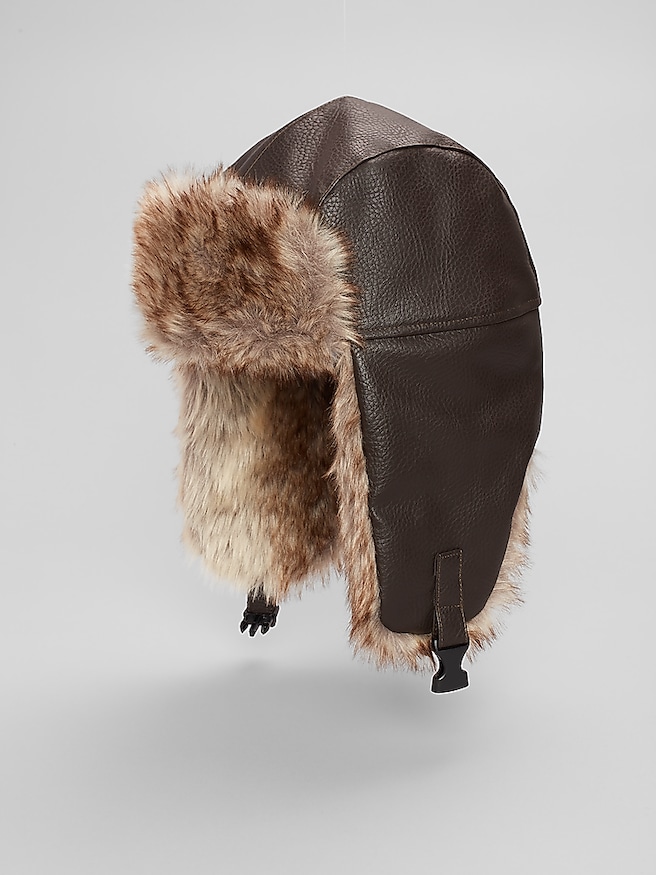
Modern winter wear combines insulating fabrics, tactile textures, clean silhouettes, and practical layering for a look that feels polished without becoming stiff or bulky. Rich earthy neutrals such as camel, chocolate, olive, and charcoal give cold-weather clothing depth while making separate pieces easier to wear together. Navy and black provide a sharper foundation, while cream or oatmeal can bring contrast to a darker outfit. The modern quality comes less from chasing a particular trend than from balancing proportions and choosing materials suited to everyday life. A substantial outer layer can make a statement through its shape, texture, or color rather than oversized details. Beneath it, fine-gauge knits and softly structured layers keep the overall outline composed. Wool is a familiar choice because its naturally crimped fibers trap air, helping provide insulation; its appearance can range from smooth and refined to brushed and visibly textured. Merino wool offers a finer feel that works well in layers worn close to the body, while cashmere brings softness without requiring a heavy-looking knit. Wool blends can combine natural texture with other performance characteristics, depending on their fiber content and construction. Cotton knits have a place in indoor settings and milder winter conditions, though a substantial cotton fabric is not automatically the warmest option. Synthetic insulation and technical fabrics serve a different purpose, particularly when low weight, wind resistance, or easier maintenance matters. Water resistance and waterproof protection are distinct qualities, so the garment’s stated features matter more than its appearance when precipitation is part of the day. Texture also changes how an outfit reads: a softly brushed surface feels relaxed, a compact weave looks cleaner, and a ribbed knit adds visual depth without a busy pattern. Combining two or three complementary textures can make a neutral outfit feel considered, especially when the colors stay closely related. A charcoal woven layer over a lighter knit, for example, creates definition through subtle contrast rather than a loud print. The result is winter clothing with enough character to stand on its own and enough restraint to work across different settings.
Fit determines whether those materials feel comfortable in actual use, from a crowded train platform to a heated office or a long evening out. Winter clothing needs room for layers, but excess fabric can make movement awkward and blur the clean lines that distinguish modern dressing. A well-proportioned outer layer allows the shoulders and upper arms to move freely over the clothing beneath it, without pulling across the back when reaching forward. Sleeves should accommodate an underlying layer without swallowing the hands, and the front should close comfortably without visible strain. Trying on layers together gives a more useful sense of fit than judging each piece in isolation. The same principle applies below the waist: a comfortable rise, enough room through the seat and thigh, and a clean leg line help balance a substantial upper half. A narrower silhouette can look sharp, but it should not restrict sitting, walking, or climbing stairs. Longer outerwear often complements tailored clothing because it covers more of the layers underneath, while shorter proportions can feel natural with relaxed outfits and an active routine. Neither approach requires an entirely separate wardrobe. A foundation of Winter Wear Essentials can support both polished combinations and more casual dressing through changes in texture, proportion, and finishing details. For an office day followed by dinner, a smooth knit and softly tailored layers can feel appropriate in both places. For a weekend spent moving between sidewalks, shops, and indoor gatherings, pieces that open easily or come off without fuss offer practical flexibility. Breathability matters in these transitions; the heaviest possible outfit is not always the most comfortable one. Smooth linings help layers move against one another, while thoughtfully placed pockets keep everyday belongings accessible without distorting the silhouette. Collars and closures also influence comfort when wind picks up. These small construction details give winter clothing its everyday usefulness, particularly for men who want to arrive looking composed rather than spend the day adjusting an outfit.
Durability depends on more than fabric thickness. An evenly knitted surface, secure seams, firmly attached buttons, and closures that operate smoothly all contribute to clothing that holds up to repeated wear. Areas that experience friction, including cuffs, elbows, pocket edges, and the seat of trousers, deserve particular attention because they often show wear first. Dense fabrics can offer substance, but softer fibers may still develop surface pills where layers rub together; pilling alone does not necessarily indicate that a garment has reached the end of its useful life. Care should follow the label, since similar-looking fabrics can require different treatment. Some knits are suitable for gentle washing, while others need professional cleaning, and structured clothing may have internal components that require special handling. Letting garments dry fully before putting them away helps preserve their condition after exposure to damp weather. Knitwear generally keeps its shape better when folded rather than left hanging, while structured outerwear benefits from a supportive hanger and enough space to avoid crushing. A soft clothing brush can lift loose surface debris from suitable woven fabrics, and careful removal of pills can refresh compatible knits without pulling at the yarn. Rotating frequently worn layers and addressing loose threads or buttons early can also extend their useful life. These habits matter most for clothing expected to handle recurring commutes, business travel, dinners, and family gatherings rather than a single occasion. Modern winter wear can also make a thoughtful gift for someone building a work wardrobe, refining an established style, or spending more time in a colder climate. Familiar colors, a known size, and an understanding of the recipient’s daily routine are more useful than choosing solely by appearance. Someone who walks several blocks between destinations may value protective coverage, while someone who spends most of the day indoors may prefer lighter, adaptable layers. Across those needs, the strongest winter wardrobe feels cohesive rather than repetitive: comfortable fabrics, balanced shapes, and purposeful details that look good together and remain easy to live in.