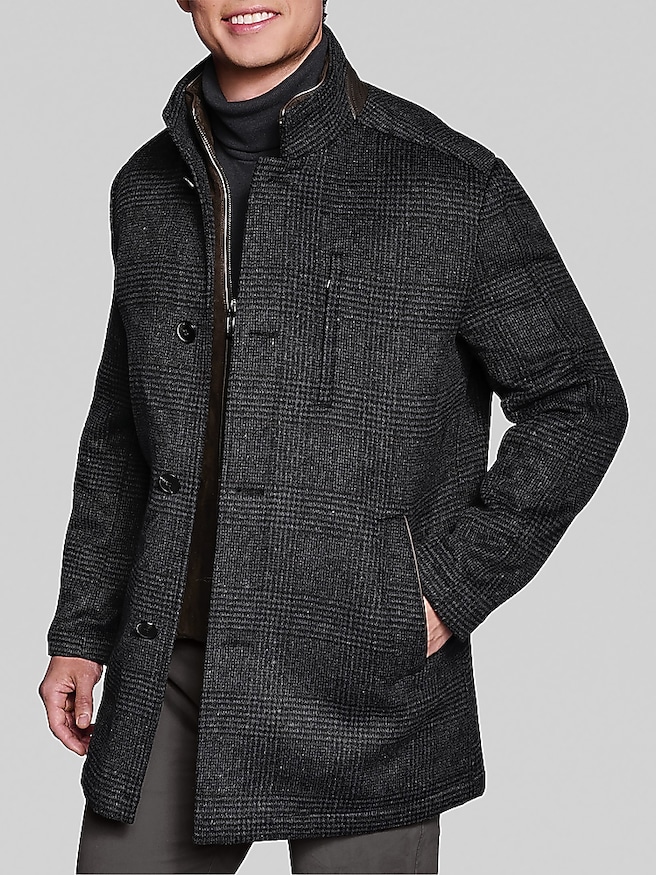
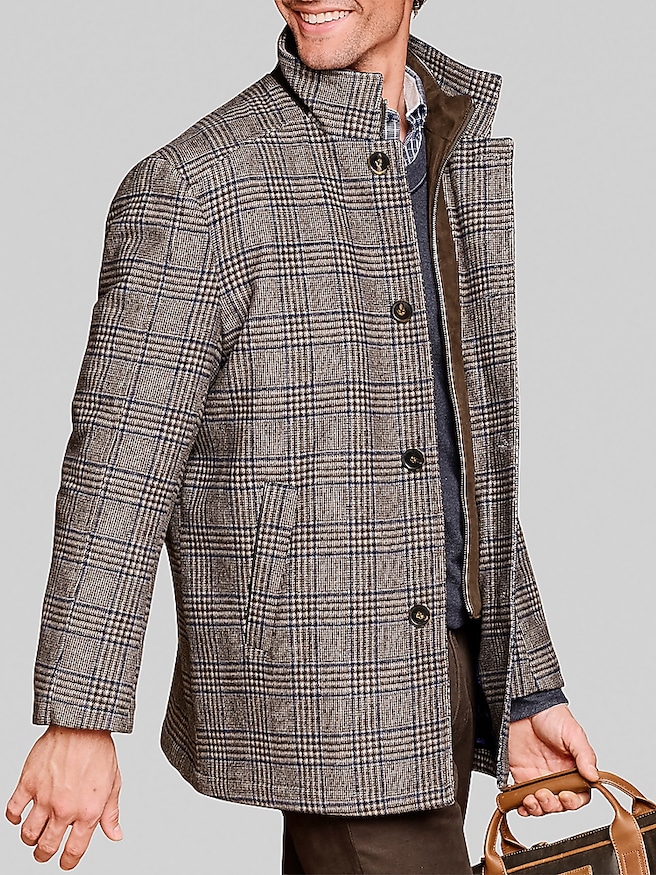
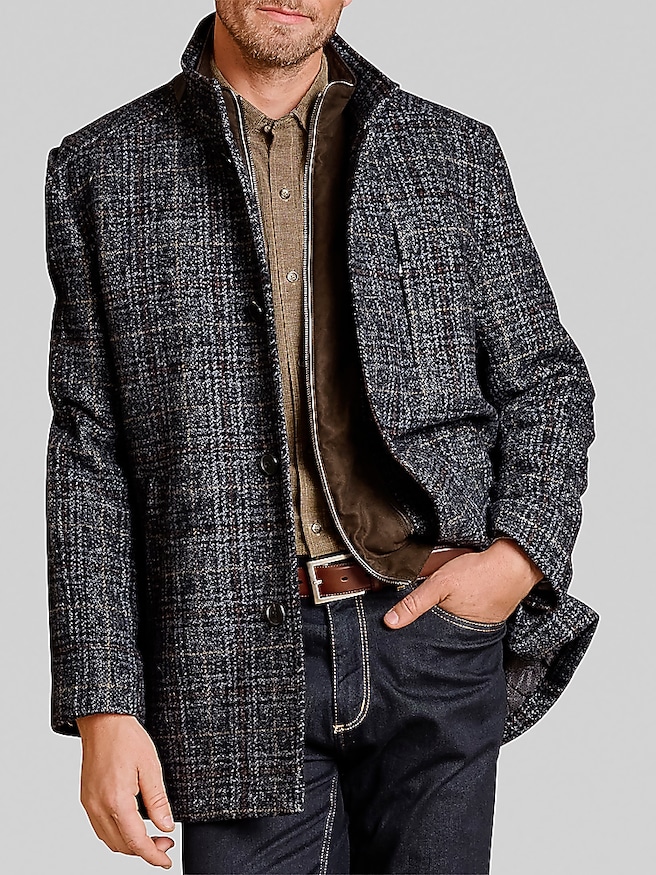
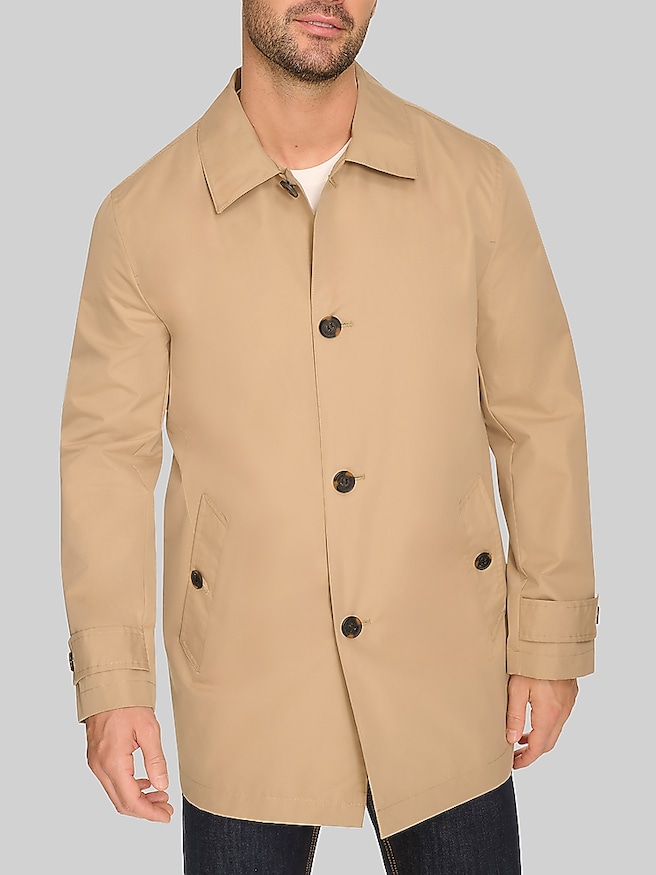
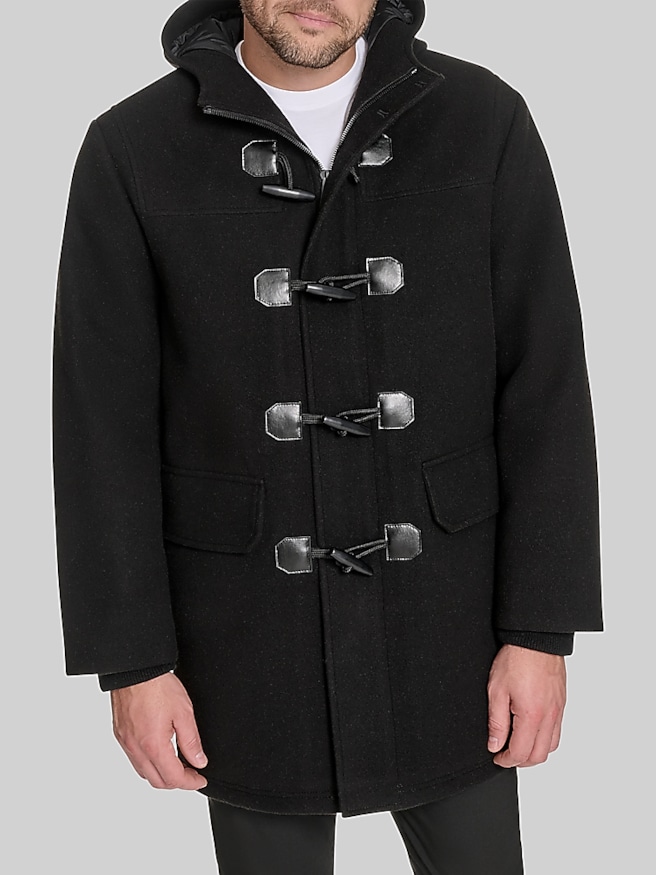
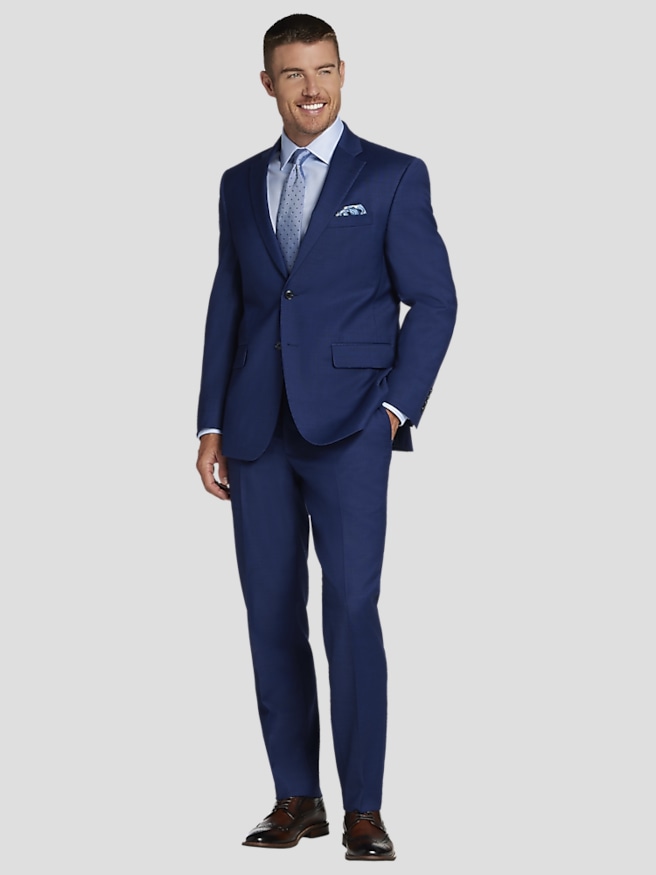
Winter peacoats for men bring a distinctive mix of warmth, structure, and everyday versatility to cold-weather clothing. Rooted in naval outerwear, the classic peacoat is recognized by its double-breasted front, broad lapels, substantial buttons, and relatively short silhouette. The overlapping front adds coverage across the chest, while a collar designed to turn up can help shield the neck from a brisk wind. Traditionally finishing around the hips or upper thighs, a peacoat offers more freedom around the legs than a long overcoat, a useful quality for walking to the train, climbing stairs, or getting into a car. That compact shape also gives it a natural place between casual jackets and more formal outerwear. Over a textured sweater and dark jeans, it looks relaxed without appearing careless; over tailored trousers and a button-down shirt, it carries the clean lines of an office outfit outdoors. The fabric plays a large part in how the coat feels and performs. Wool is valued for its insulating properties, resilience, and ability to manage moisture vapor, while a dense weave can help limit wind penetration. Wool blends may incorporate fibers that affect weight, softness, abrasion resistance, or shape retention, so fiber content is worth considering alongside the fabric’s thickness and construction. A higher wool percentage alone does not establish how warm a coat will be. Lining, added insulation, coverage, and the layers underneath also matter. A smooth lining helps sleeves slide over knitwear, while a more substantial insulated lining can add warmth and bulk. Peacoats suit everyday winter activities such as commuting, heading to dinner, or taking a short walk through town, but they are not automatically waterproof or designed for prolonged exposure in severe conditions. Dense wool can handle a little light precipitation, yet sustained rain, wet snow, and strong wind call for protection appropriate to those conditions. The appeal lies in a warm, composed outer layer that works across much of an everyday wardrobe without the volume or distinctly athletic appearance of technical outerwear.
Fit determines whether a men’s winter peacoat feels comfortable through a full day or restrictive after the first few minutes. The shoulder line should sit naturally, with enough space through the upper back and chest to accommodate the clothing worn underneath. Trying the shape over a typical winter layer, rather than a thin T-shirt alone, gives a more realistic sense of comfort. A sweater adds bulk at the arms and torso, and a blazer introduces structure at the shoulders that a close-cut coat may not accommodate. With the front buttoned, the lapels should lie cleanly rather than pull outward, and the fabric should not form pronounced tension lines across the chest. There should be room to reach forward, hold a handrail, or carry a bag without the upper sleeves binding. At the same time, excess fabric around the waist can make a short, structured coat look boxy. A trim silhouette emphasizes a tailored appearance, while a roomier cut leaves space for heavier knitwear and easier movement. Neither works for everyone; the useful distinction is how the coat behaves over the layers and activities of daily life. Sleeve length deserves equal attention. Coverage should reach the wrist with arms relaxed, without swallowing the hands, and remain practical when reaching for keys or putting on gloves. For anyone wearing a peacoat over tailoring, the hem should be checked against the jacket underneath, since a shorter coat may leave the jacket visibly exposed. Color and texture influence versatility, too. Navy, charcoal, and black pair easily with gray trousers, dark denim, and leather footwear, while brown and other earthy shades can soften the look of crisp tailoring. A subtle textured weave adds visual depth without requiring a patterned outfit. Broad lapels frame a scarf particularly well, though thick knots can crowd the neckline. A flatter wrap often feels more comfortable when the coat is fully fastened. Hand pockets, interior storage, and the position of closures are small details that become noticeable on a crowded commute or a long walk between buildings.
Durability in a winter peacoat depends on both construction and regular care. Firmly attached buttons, neatly finished seams, and a lining that has enough ease for movement are useful qualities in a coat expected to see repeated wear. Buttonholes and pocket openings deserve particular attention because they handle frequent pulling and friction. A substantial fabric can hold its shape beautifully, but weight alone is not a guarantee of lasting performance; a well-balanced coat should feel supportive rather than cumbersome. Care begins with the sewn-in label, especially when wool, blended fibers, interfacing, and lining materials are combined. Many structured wool coats require professional dry cleaning, and machine washing can cause shrinkage or distort the internal construction. Between cleanings, a soft garment brush can lift surface dust and lint, while prompt attention to spills helps keep marks from settling into the fabric. Any spot treatment should be compatible with the care instructions rather than improvised with a harsh household cleaner. After exposure to light rain or snow, a damp coat should dry naturally in a ventilated space, away from radiators and other direct heat. A broad, sturdy hanger supports the shoulders, and leaving breathing room in the closet helps prevent crushing. Emptying heavy pocket contents also reduces unnecessary strain and distortion. Before extended storage, cleaning as directed and using a breathable garment bag can help preserve the fabric and shape. These habits make particular sense for an outer layer worn to work, weekend gatherings, and evenings out year after year. A peacoat can also be a thoughtful gift for someone building a professional wardrobe or replacing a worn everyday jacket, provided the size allows for preferred layers and the recipient’s usual range of movement. Personal habits matter as much as appearance: a daily rail commuter may value easy pocket access, while someone who spends more time outdoors may prioritize coverage and insulation. For a separate wardrobe need centered on milder conditions, Spring Coats For Men offers a related category to consider. A winter peacoat’s particular strength remains its combination of substantial fabric, recognizable tailoring, and practical comfort for cold-weather routines.