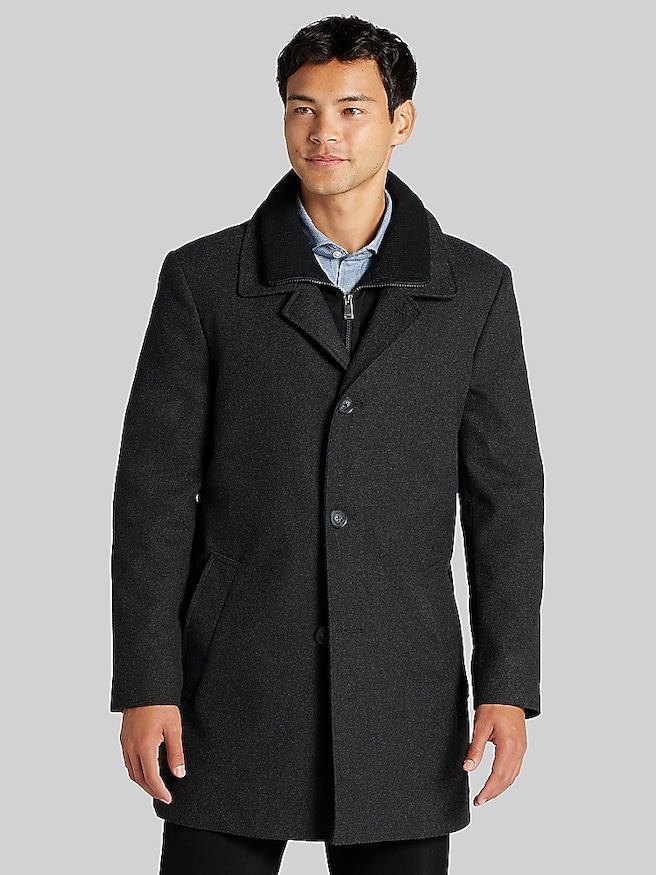
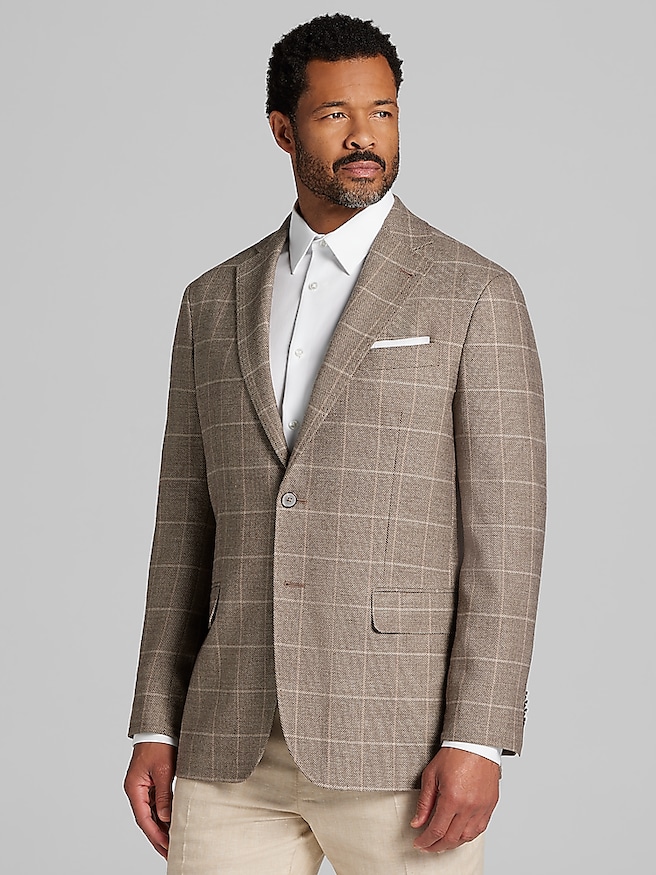
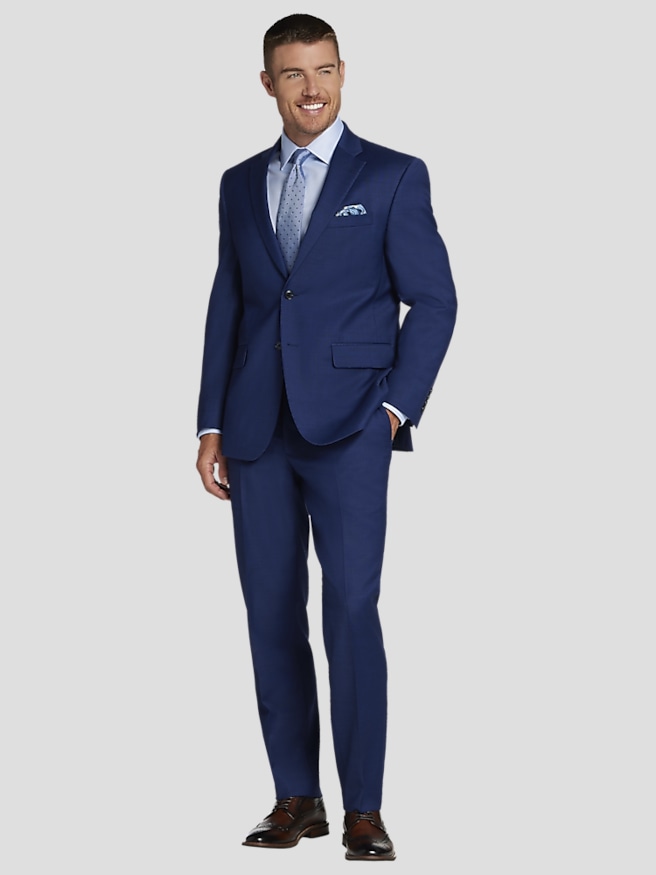
Spring coats for men provide lightweight warmth, comfortable layering, and protection from cool breezes without the bulk of heavy winter outerwear. Their usefulness extends beyond a single season: a lightly lined coat can take the edge off a chilly commute, feel comfortable on a shaded patio, and serve as an extra layer during changeable weather. The right balance of coverage and breathability depends on the fabric, lining, and construction as much as the coat’s weight. Cotton twill has a soft, familiar feel with enough structure for casual outfits, while canvas brings a sturdier texture suited to everyday wear. Nylon and polyester shells can provide lightweight wind protection and dry relatively quickly, though weather resistance varies by garment. A water-repellent finish helps light moisture bead on the surface; it does not necessarily make a coat waterproof. More substantial rain protection typically involves a waterproof membrane or coating, sealed seams, and closures designed to limit water entry. Breathability matters, too, especially when a brisk walk to the train becomes a warm ride indoors. An unlined construction reduces bulk, while a smooth lining can help a coat slide comfortably over shirt sleeves. Mesh panels or discreet vents may improve airflow, depending on their placement and the outer fabric. Lightweight wool blends offer another option for cool, dry conditions, bringing a more refined texture that pairs naturally with tailored clothing. Fabric weight alone does not tell the whole story: a tightly woven shell may block wind more effectively than a thicker, loosely woven layer. For everyday use, the most practical spring outerwear feels comfortable through the routine transitions of a day, from a breezy parking lot to a sheltered walkway. It should provide enough warmth for the time spent outside without becoming cumbersome once carried over an arm. That combination makes lightweight coats useful for commuters, travelers, students, and anyone whose schedule includes both indoor and outdoor settings. A modest amount of weather protection often earns its place more readily than heavy insulation when conditions are mild but unpredictable.
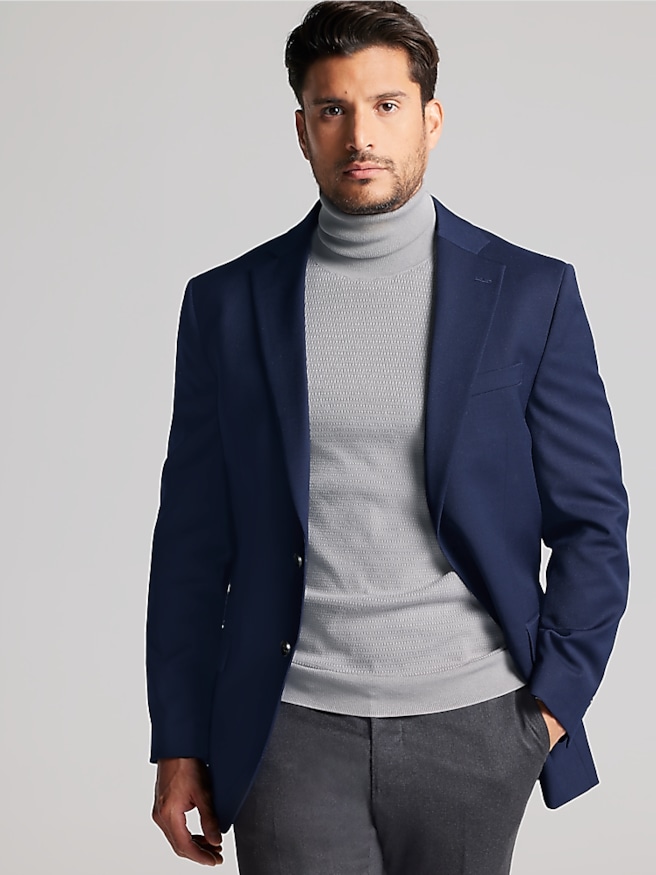
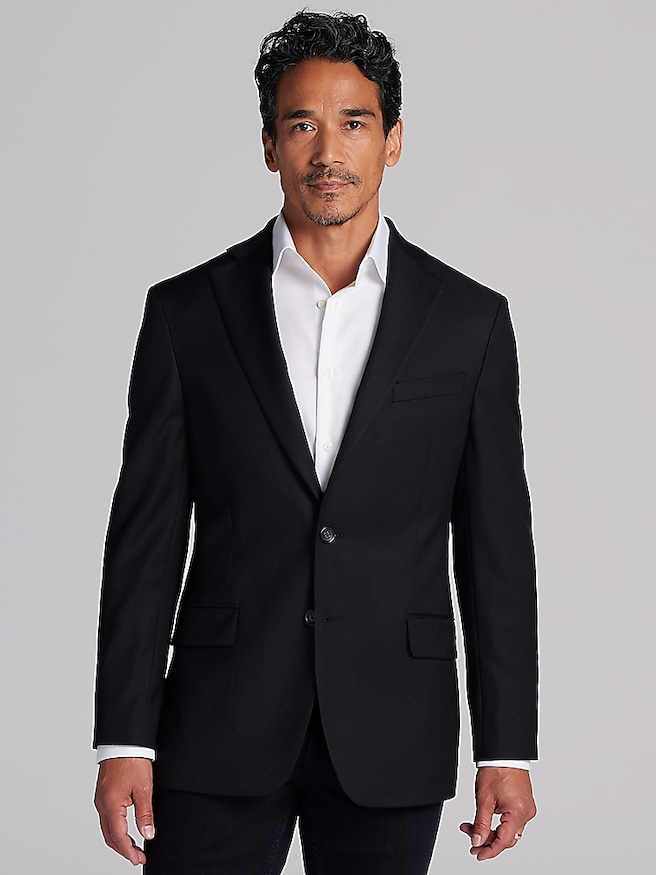
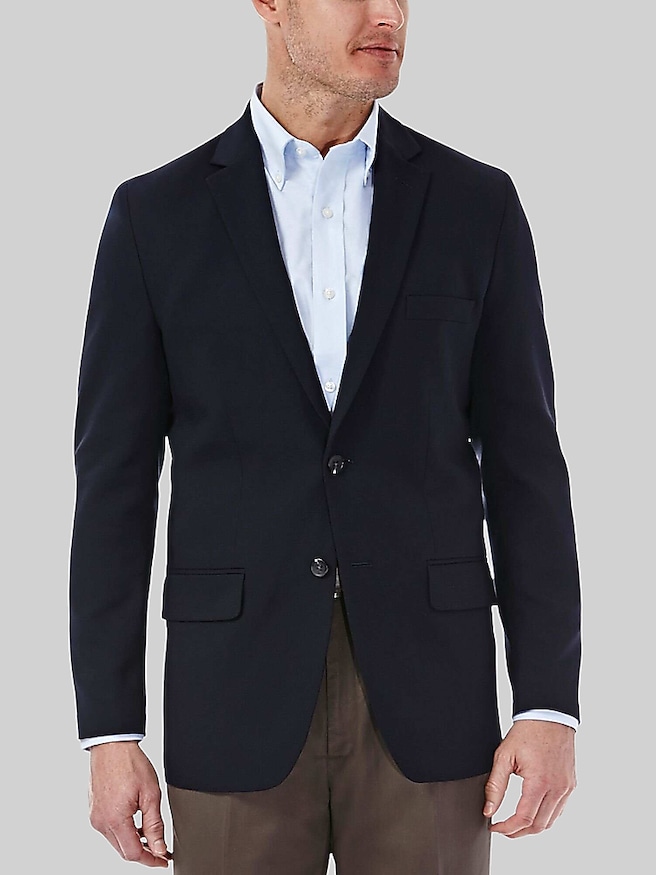
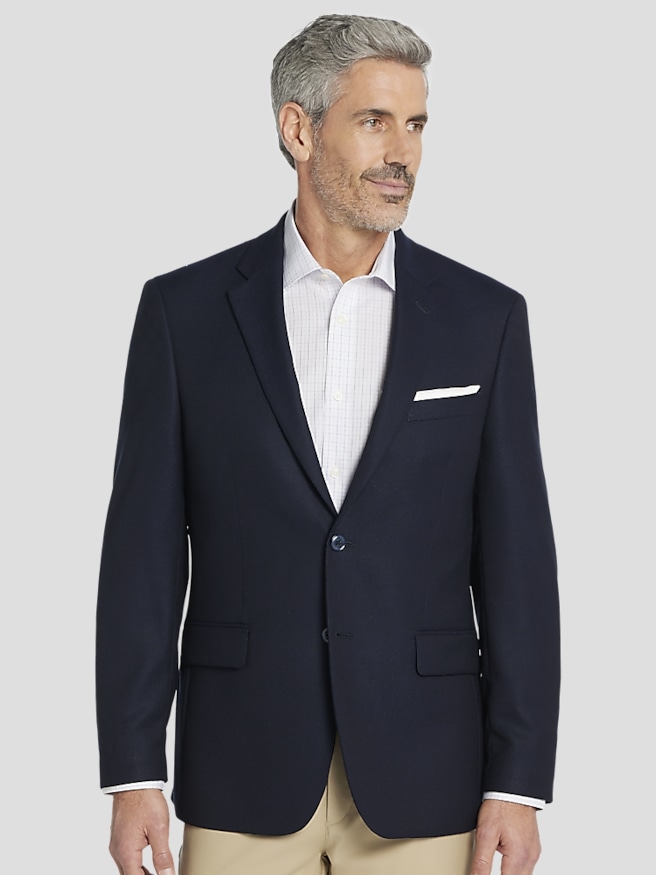
The shapes within men’s spring outerwear range from short, casual jackets to longer coats that sit comfortably over business clothing. Bomber jackets have a compact silhouette, often with ribbed cuffs and a close-fitting hem that helps reduce drafts. Their shorter length works naturally with jeans, chinos, and knit shirts, particularly for driving or casual evenings out. Chore and utility jackets have a more relaxed character, with practical pockets and room through the body for easy movement. Cotton versions can soften with wear, developing a lived-in feel without losing their usefulness as everyday layers. Denim jackets bring familiar texture and structure to casual clothing, although denim can feel heavy and dry slowly after getting thoroughly wet. Lightweight raincoats and streamlined shells prioritize weather coverage, with details such as adjustable cuffs, storm flaps, and hoods contributing to their function. Longer raincoat silhouettes can also cover the hem of a suit jacket, creating a cleaner outline for office commutes or dressier occasions. Fit becomes especially important when outerwear sits over several layers. Shoulder seams should rest near the natural shoulder on a traditionally cut coat, while intentionally relaxed shapes may extend farther. Across the chest and upper back, there should be enough ease to reach forward, hold a steering wheel, or carry a bag without pulling at the closure. Sleeves should cover the wrists with arms relaxed and avoid exposing too much of the layer underneath during ordinary movement. A coat worn mainly over a T-shirt can have a closer fit than one intended for a sweater or sport coat. Trying the garment with its usual layers gives a more useful sense of comfort than judging it over a thin shirt alone. Navy, charcoal, olive, tan, and stone offer versatile starting points, with smoother fabrics leaning polished and washed textures feeling more casual. Darker shades tend to disguise everyday marks, while lighter neutrals create a softer contrast against dark trousers. The most wearable combination is often a straightforward silhouette, a comfortable fit, and a color that complements clothing already in regular rotation.
Small construction details have a noticeable effect on how a spring coat performs over time. Even stitching, neatly finished seams, securely attached buttons, and zippers that move smoothly all contribute to dependable everyday wear. Reinforcement around pocket openings is particularly useful when those pockets regularly hold a phone, keys, or a transit pass. Pocket placement also affects comfort: hand pockets should be easy to reach, while an interior pocket offers a convenient place for small essentials without crowding the outer silhouette. Overfilling pockets can distort the fabric and place extra strain on seams, especially in lighter materials. For travel, a low-bulk coat is easier to carry between destinations, though packability should be confirmed rather than assumed from appearance. A hood may be useful for unexpected drizzle, while a clean collar can sit more comfortably beneath a shoulder strap and look understated over a collared shirt. Care requirements deserve the same attention as style. The care label determines whether a coat can be machine washed, needs spot cleaning, or requires professional cleaning. High heat can damage some synthetic fabrics, coatings, and trims, so drying instructions matter just as much as washing directions. Fabric softener may interfere with the performance of certain technical materials, and water-repellent finishes sometimes need maintenance according to the garment’s instructions. Allowing a damp coat to dry fully before storing it helps prevent musty odors, while a suitably shaped hanger supports the shoulders of structured designs. Everyday layers benefit from prompt attention to loose buttons and small seam openings before repeated wear makes repairs more involved. A lightweight coat can also make a thoughtful gift for someone starting an office role, traveling frequently, or replacing a well-worn casual layer, particularly when their size and preferred fit are known. For longer stretches outdoors in colder conditions, Men's Warm Coats offer a related category to consider when more insulation is needed. Spring-weight outerwear serves a distinct purpose: manageable warmth, useful coverage, and an easy fit that moves comfortably through the day.