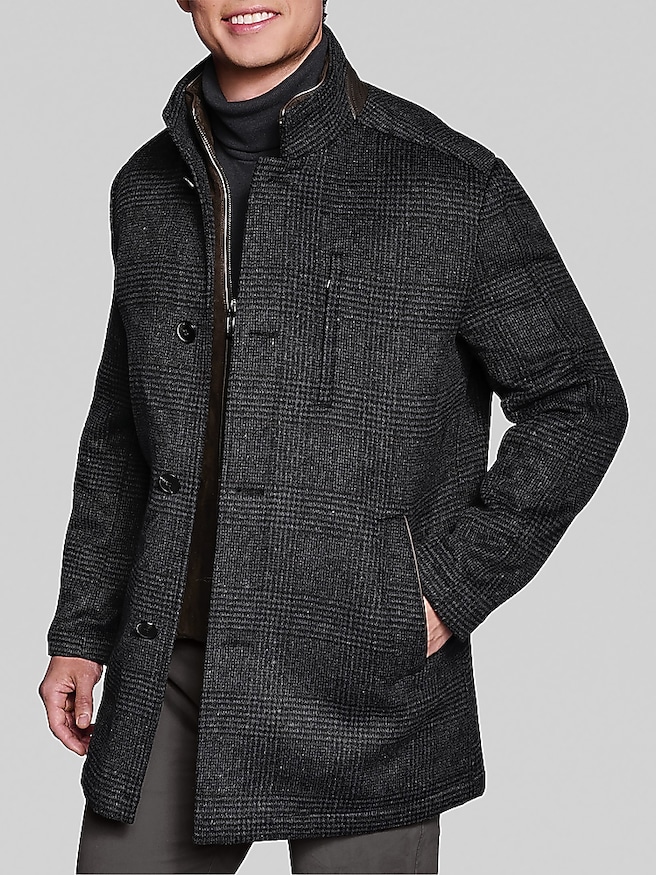
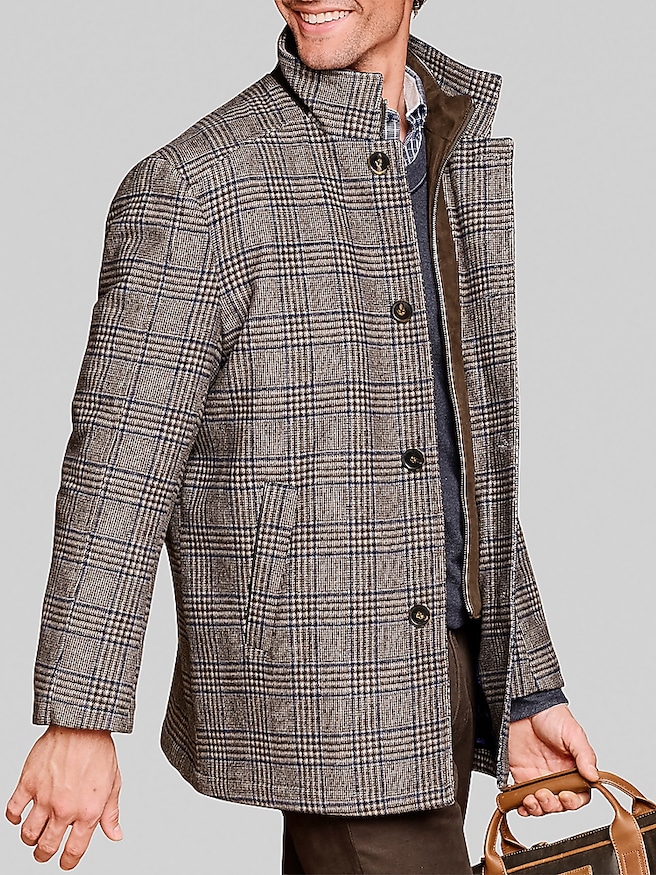
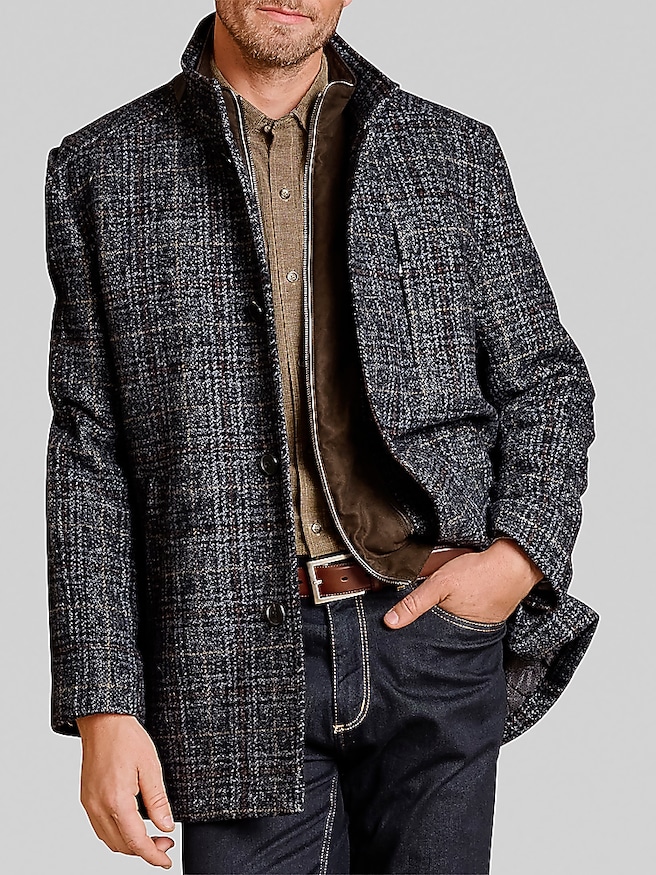
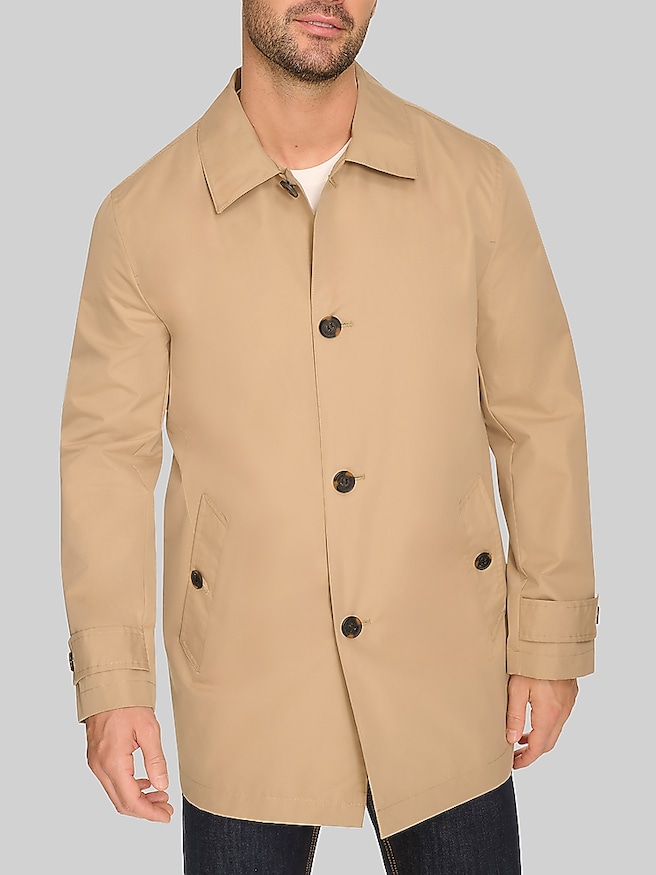
Men’s warm coats bring together insulation, weather protection, and a comfortable fit for the hours spent outside during the cooler months. The right balance depends on the climate and the routine: a short walk from the driveway to the office calls for something lighter than an extended wait on an exposed train platform. Warmth comes from the whole construction, not simply a thick outer fabric. A closely woven shell helps limit drafts, insulation holds warm air near the body, and a well-fitting collar and cuffs help keep that warmth from escaping. Wool and wool-blend coats offer a textured finish that works naturally with tailored clothing, along with warmth that varies according to fabric weight, weave, and lining. Blended fibers can affect softness, shape retention, and resistance to everyday wear, so the fabric composition matters as much as its appearance. Insulated coats with down fill provide warmth with relatively little weight and can compress easily, though untreated down loses much of its insulating performance when wet. Synthetic insulation generally retains more warmth when damp and can suit changeable conditions, but performance still depends on the amount of insulation and the surrounding construction. Fill power describes the loft of down rather than the total warmth of a coat; fill weight, coverage, and protection from wind also matter. For wet commutes, water resistance can help with brief, light precipitation, while sustained rain requires construction specifically described as waterproof, including appropriate seam protection. A substantial wool overcoat brings a polished line to a suit, while a quilted coat or an insulated parka lends itself to jeans, knitwear, and sturdy boots. Neither appearance nor weight alone establishes how warm a coat will feel. Longer coverage, a protected front closure, and an adjustable hood can make a noticeable difference when wind moves between buildings or temperatures drop after sunset. The most useful warm outerwear matches those everyday conditions without adding more bulk than the wearer needs.
Fit determines whether a warm coat feels comfortable over the clothing beneath it, especially when a day includes both outdoor walking and time indoors. A coat worn over a suit jacket needs enough room through the shoulders, upper arms, and chest to preserve the jacket’s shape without pulling across the back. Over a sweater, the same coat should allow easy movement without leaving excessive empty space around the torso. A useful fit leaves room for the intended layers while keeping the silhouette controlled; simply choosing a larger size can create sleeves that are too long or shoulders that sit too low. Reaching forward to hold a steering wheel, lifting an arm toward an overhead luggage compartment, and sitting with the front fastened reveal restrictions that standing in front of a mirror may miss. Sleeves should cover the wrists comfortably without swallowing the hands, and the collar should close without crowding the neck. Length also changes how a coat functions. Hip-length shapes allow easy movement for driving and active errands, while longer coats cover more of the legs and can protect a suit jacket’s hem. For a seated commute, a back vent or two-way zipper, when included, can ease tension across the lap. Details become especially valuable in cold weather: pockets positioned for a natural hand angle, closures that are manageable with gloves, and a collar that stands comfortably against a scarf. An interior pocket can keep small essentials accessible without interrupting the outer line. For office wear and evening occasions, clean fronts and restrained detailing complement dress trousers and leather shoes. More relaxed shapes work well over substantial knits for neighborhood walks, outdoor gatherings, and weekends away. Neutral shades such as charcoal, navy, black, and brown make coordination straightforward, while fabric texture adds depth without needing a strong pattern. Warmth remains personal, too: someone walking briskly may prefer a lighter coat with breathable layers, while someone standing still outdoors may need greater insulation and coverage.
A well-made warm coat earns its place through repeated wear, and durability shows up in the details that handle daily strain. Even stitching, secure buttons, neatly finished buttonholes, and zippers that move smoothly all contribute to dependable use. Pocket openings, cuffs, and the lining around the shoulders deserve particular attention because they experience frequent friction and movement. A lining should let the coat slide over knitwear without catching, with enough ease to accommodate normal motion. Care requirements are another part of choosing outerwear that fits a routine. Wool and wool-blend coats may require professional cleaning, depending on their construction and care labels; gentle brushing between cleanings can help remove surface dust and lint. After exposure to light moisture, a coat should dry fully in a ventilated space away from direct heat before being stored. A broad, supportive hanger helps a tailored coat retain its shape, while crowded storage can compress fabric and leave persistent creases. Insulated outerwear needs care suited to its shell, fill, and finishes. Some styles permit machine washing, but detergent choice, water temperature, and drying instructions should follow the garment label rather than a general rule. Down needs thorough drying to restore loft and prevent trapped moisture, and high heat can damage certain fabrics or finishes. Small repairs, such as securing a loose button before it falls off, can prevent unnecessary wear around a closure. Warm coats also make practical gifts for a partner, father, son, or friend whose routine includes cold commutes, travel, or time outdoors. Knowing the recipient’s usual layering habits, preferred coat length, and willingness to follow special care instructions makes the choice more personal than relying on size alone. For milder stretches and wardrobes built around lighter layers, Men's Fall Coats offers a related direction to consider. A thoughtfully chosen warm coat should feel just as appropriate heading into a meeting as it does stepping back into the evening air, with the coverage, comfort, and finish to support the way its wearer moves through the day.