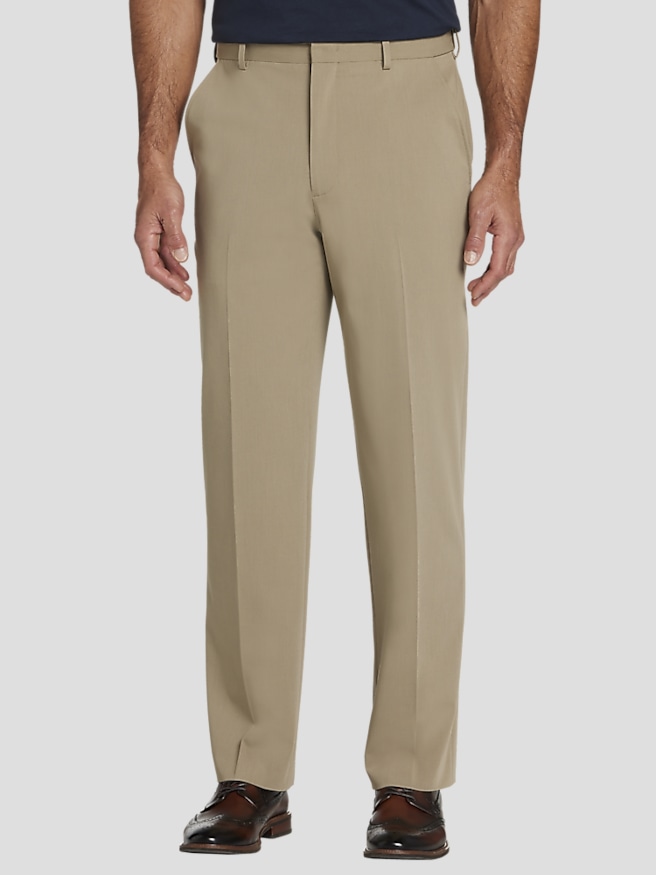
Wide width dress shoes provide extra room across the foot while maintaining the polished appearance expected with tailored clothing. For men whose feet feel compressed in standard widths, that added space can make a meaningful difference during a full workday, a wedding reception, or an evening that involves more standing than sitting. A wider fit is not simply a longer shoe: moving up in length to relieve pressure can leave excess space at the toe and allow the heel to slip. The better starting point is the correct length paired with a width that accommodates the forefoot without squeezing it. In many men’s sizing systems, D indicates medium width, 2E or EE indicates wide, and 4E indicates extra wide, although labels and measurements vary by manufacturer. Some footwear also uses E or W, so the width designation should be considered alongside the actual fit. Toe shape matters, too. A rounded or softly squared toe may provide a more accommodating shape than a sharply tapered design, but a roomy-looking toe box does not automatically mean the shoe is built on a wide last. The last, or form used to shape the shoe, influences space through the forefoot, instep, and heel. A comfortable fit leaves room for the toes to move without letting the foot slide forward with each step. The ball of the foot should sit near the shoe’s natural flex point, and the upper should feel secure rather than stretched taut. Trying shoes with the dress socks intended for regular wear gives a more useful sense of fit than testing them with unusually thick or thin socks. Because feet can expand over the course of a day, checking the fit later in the day can also reveal pressure that might otherwise go unnoticed. When one foot is larger, accommodating that foot helps avoid a fit that feels fine while seated but restrictive during a walk from the parking lot to the office.
The right style of wide width dress shoes depends on both the occasion and the clothing worn with them. An oxford’s closed lacing creates a sleek profile that works well with business suits and more formal tailoring, while a derby’s open lacing generally allows more adjustment over the instep. That distinction can be useful for a foot that needs extra volume above the arch as well as across the toes. Neither lacing style guarantees comfort on its own; the shoe’s shape and proportions still need to suit the foot. Cap-toe designs offer a restrained finish for presentations, interviews, and ceremonies, while brogue detailing and wingtip patterns bring more texture to tailored trousers and less formal suits. Loafers provide a clean, lace-free option for office settings and dressier social occasions, though their fit deserves particular attention because there are no laces to fine-tune the hold. A loafer should stay comfortably in place without requiring the toes to grip. Black leather pairs naturally with charcoal and dark business tailoring, while brown shades can complement navy, gray, and earth-toned clothing. The level of shine also changes the effect: a smooth, polished upper reads differently from a softly textured leather or suede finish. Strict formal dress codes may call for a particular footwear style or finish rather than simply any dark dress shoe. For everyday office use, cushioning, secure heel placement, and an outsole suited to frequent walking can matter just as much as appearance. For a wedding, comfort needs to last beyond the ceremony through photographs, dinner, and time on the dance floor. Wide dress shoes can also make a thoughtful gift for someone beginning a new job or building a professional wardrobe, provided the recipient’s length, width, and fit preferences are known rather than guessed.
Materials and construction influence how wide width dress shoes feel at the first fitting and how they hold up with repeated wear. Leather uppers can soften and develop creases that reflect the foot’s movement, but that gradual change should not be expected to correct pinching, numbness, or an obviously undersized fit. Full-grain leather retains its natural surface and can develop character with proper care; other leather finishes offer their own balance of texture, appearance, and maintenance needs. Suede has a softer, more matte look and requires tools and cleaning methods suited to its nap. Synthetic uppers vary in flexibility and breathability, making the feel of the finished shoe more informative than broad assumptions about the material alone. Inside the shoe, smooth seams, a comfortable lining, and cushioning placed beneath the heel and forefoot can reduce distractions during long periods on foot. A removable footbed may be helpful for someone who wears an orthotic, but sufficient interior depth is still necessary, and removing the original footbed can change the fit. Outsoles deserve similar attention. Leather soles offer a traditional finish, while rubber soles may provide added flexibility and traction, depending on their compound and tread. No sole guarantees grip on every surface. A stitched construction may allow resoling when the upper remains sound, though repair options depend on the shoe’s design and condition. Routine care helps preserve both appearance and structure: dusting after wear, using an appropriate leather conditioner sparingly, and applying a compatible polish can keep smooth leather looking well maintained. Suede benefits from gentle brushing rather than conventional shoe polish. Properly sized shoe trees help support the shape between wears, and alternating pairs gives the interiors time to dry naturally. For footwear needs beyond tailored outfits, Wide Size Shoes offers a broader starting point for considering width across other styles. The same priorities remain useful throughout a wardrobe: enough room where the foot needs it, a secure fit where it matters, and materials suited to the way the shoes will actually be worn.