Wide size shoes are designed to provide more room across the foot than standard-width shoes of the same length, particularly through the forefoot and, depending on the construction, the midfoot. That extra width can help reduce the squeezing and rubbing that happen when a shoe is too narrow, without adding unnecessary length in front of the toes. For men with broader feet, the difference is noticeable in everyday moments: walking from the parking garage to the office, standing through a presentation, or spending several hours on their feet at a celebration. A comfortable fit leaves room for the toes to rest naturally rather than overlap or press against the sides, while the heel stays reasonably secure. Width and toe shape are separate considerations, however. A wide shoe with a tapered front can feel quite different from one with a rounded or more generously shaped toe box. The upper, lining, and placement of seams also influence how much usable space a shoe provides. Width markings such as W, E, or EE offer a starting point, but their meaning and feel can vary by maker and style; the stated measurements and fit details matter more than the letter alone. Going up in length is not necessarily a substitute for choosing the appropriate width, since an overly long shoe may slide at the heel or bend in the wrong place. Feet can also differ slightly in size, making the fit on the larger foot especially important. The socks worn with the shoes affect the result, too: a thin dress sock takes up less room than a cushioned everyday sock. For long days, a balanced fit combines forefoot space, a stable heel, and enough depth over the top of the foot. Soft cushioning can add comfort, but it cannot compensate for an upper that presses tightly across the toes or instep.
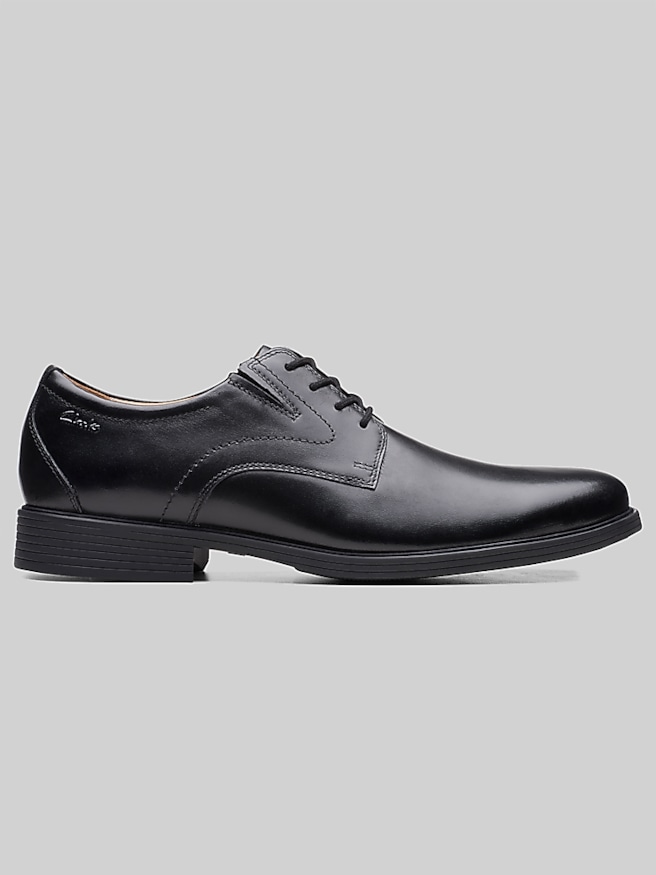
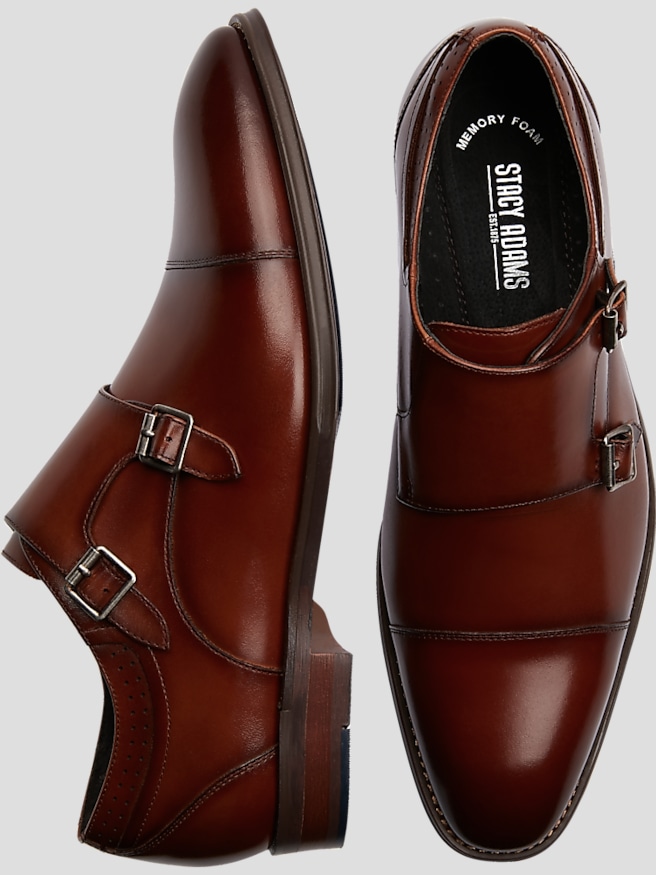
The appearance of wide-width footwear depends on much more than its dimensions. A well-proportioned shape, neatly finished seams, and a sole that suits the occasion can create a polished look without sacrificing the room a broader foot needs. The clean lines of Wide Width Men's Dress Shoes complement tailored clothing for business meetings, wedding receptions, formal dinners, and other occasions where footwear helps finish the outfit. Lace-up styles offer some adjustment across the instep, while loafers depend more closely on the relationship between the opening, heel, and top of the foot. A derby’s open-lacing construction can provide greater flexibility over the instep than a closely fitted closed-lacing design, although the individual shoe’s shape remains important. Smooth leather creates a crisp finish alongside a suit or dress trousers, and textured leather can bring a little visual depth to chinos or less formal tailoring. Suede has a softer, more relaxed appearance that works well with understated clothing, though its surface calls for a different care routine than smooth leather. Leather uppers may soften and conform somewhat with wear, but they should not need substantial stretching to become tolerable. Synthetic uppers vary in flexibility and breathability, so material descriptions are useful when weighing structure against softness. Interior details deserve equal attention: a smooth lining, unobtrusive seams, and cushioning positioned under the heel and forefoot can make a meaningful difference over several hours. A removable footbed may provide useful flexibility for someone who already uses an insert, provided the shoe has enough depth to accommodate it without crowding the foot. Black footwear creates a sharp, restrained finish, while brown shades can add warmth and contrast to navy, gray, or earth-toned clothing. Neither a sleek appearance nor a wider fit has to dominate the other; the strongest pairing is a shape that looks intentional with the outfit and feels comfortable in motion.
Construction and care help determine how wide size shoes hold up beyond the first few wears. The sole affects flexibility, traction, and the feel of each step: rubber often provides a more cushioned, grippy contact surface, while leather soles offer a traditional appearance and a different underfoot feel. Actual performance depends on the sole pattern, thickness, and overall construction rather than the material name alone. A stable base and a flex point that follows the foot’s natural movement are especially useful for commutes, busy workdays, and occasions that move from seated conversation to extended standing. Durable stitching, securely finished edges, and a firmly attached sole are worth considering alongside appearance. Some constructions allow resoling, but that capability should be confirmed rather than assumed. Routine care is straightforward and material-specific. Smooth leather benefits from having surface dust removed with a soft brush or cloth, followed by an appropriate conditioner when needed and polish suited to the finish. Suede generally calls for a dedicated brush and compatible cleaning products rather than ordinary leather cream. Any treatment is best tested on a discreet area first, since finishes can react differently. Letting shoes air out between wears helps manage moisture from regular use, and allowing damp footwear to dry naturally away from direct heat helps protect its shape and materials. Properly sized shoe trees can support the uppers during storage without forcing them wider. Wear at the heel or sole deserves attention before it changes the way the shoe sits underfoot. For someone giving footwear as a gift, knowing the recipient’s usual length, width, preferred styles, and insert needs is more helpful than relying on size alone. Whether the shoes are intended for an established office wardrobe or a milestone occasion, lasting usefulness begins with a fit that respects the foot’s shape and a design that suits the way the wearer spends the day.