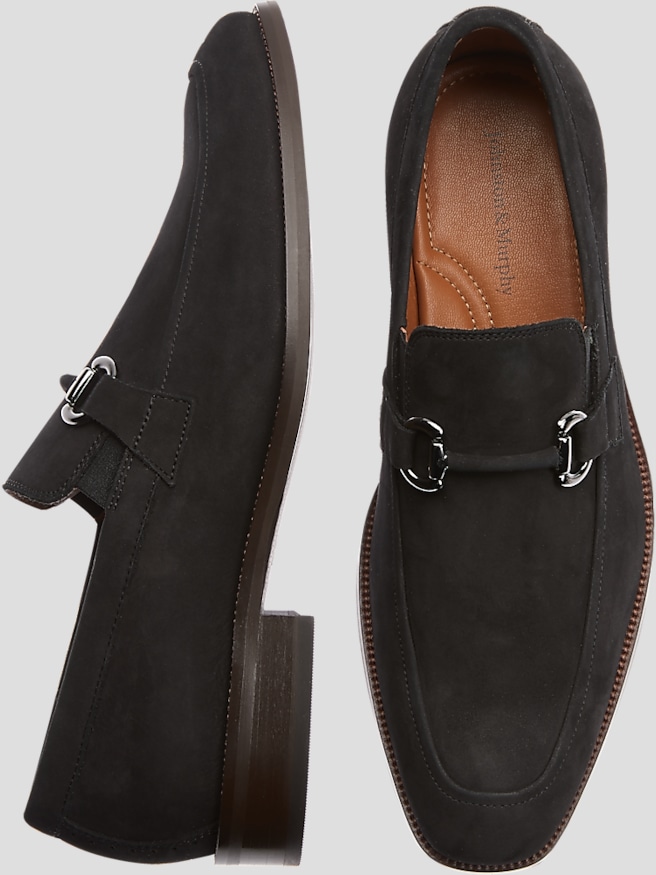
White suede shoes pair a light, clean-looking color with a soft, napped surface that gives footwear a more relaxed character than smooth, polished leather. The category spans casual sneakers, slip-on loafers, and lace-up styles, with each shape bringing a distinct balance of comfort and polish. Suede is leather finished to expose fine fibers on its underside, creating the velvety texture that makes these shoes recognizable. That texture softens the appearance of white, so even a simple silhouette has depth rather than a flat, glossy finish. Bright white feels crisp and graphic, while shades closer to ivory or cream create a gentler contrast with clothing; the exact tone matters when coordinating shoes with trousers or a jacket. White suede works especially well with navy, charcoal, olive, tan, and a broad range of denim washes. With dark jeans and a knit polo, the effect is casual but considered. With tailored trousers and an unstructured blazer, the same color and texture can make an outfit feel less formal without looking unfinished. Shape helps set the tone: a rounded toe and substantial sole lean casual, while a narrower profile and restrained detailing sit more comfortably alongside tailoring. For a similar look across sporty silhouettes, Suede Sneakers offer another way to explore the material’s distinctive texture. White suede footwear suits men who appreciate a lighter finishing touch, whether dressing for dinner, a relaxed office, a gallery opening, or a celebration with a casual dress code. For weddings and other organized events, the stated dress requirements should lead the decision, since suede generally looks less formal than polished dress leather. Its appeal comes from that middle ground: more textured than a plain white leather shoe, yet easy to combine with familiar pieces already in a wardrobe. A simple outfit often gives the material room to stand out, with the raised fibers providing detail without the need for prominent hardware, elaborate stitching, or bold color contrasts.
Materials and construction influence how white suede shoes feel as much as how they look. Genuine suede has a fibrous leather structure, while synthetic suede alternatives use manufactured materials to create a similar surface; care requirements and performance can vary, so the material description is worth checking. A shoe may also combine suede panels with smooth leather, textile, or other components, and each material can respond differently to cleaning. Inside, lining, cushioning, and footbed shape help determine comfort during everyday wear. A soft upper does not automatically mean a supportive shoe, and a thick sole does not necessarily provide the right cushioning for every wearer. Fit should feel secure through the heel and midfoot, with enough space at the front for toes to rest naturally rather than press against the upper. Suede can soften and give with use, but that flexibility is not a substitute for adequate length or width. A snug shoe should not depend on stretching to become wearable. Lace-up designs allow some adjustment across the instep, while slip-on styles rely more heavily on a close match between the shoe’s shape and the foot. Trying footwear with the intended socks helps establish a more realistic fit, especially when comparing a low-profile loafer with a padded sneaker. For an evening that includes standing through a reception or walking between venues, stable footing and comfortable interior seams can matter more than an especially streamlined outline. Rubber outsoles often bring flexibility and traction, although tread pattern and surface conditions still affect grip. Leather outsoles tend to create a more traditional appearance, with a different feel underfoot. Reinforcement around high-wear areas, secure stitching, and neatly finished edges are useful construction details to consider. For frequent wear, a practical balance is a silhouette that works with several outfits, a sole suited to the intended setting, and a fit that remains comfortable beyond a brief try-on. White suede can be a distinctive choice without becoming difficult to dress around when those fundamentals are right.
Care is an important part of owning white suede shoes because the pale surface makes dust, scuffs, and transferred dye more noticeable. The raised nap can also change direction under pressure, creating light and dark patches that are not always stains. Regular, gentle brushing with a brush intended for suede helps lift loose dirt and restore an even appearance without flattening the fibers. A suede eraser may help with some dry surface marks, while deeper stains call for a cleaner specifically labeled for the material. Cleaning methods should follow the footwear manufacturer’s recommendations, with any treatment tested first on a discreet area to check for changes in color or texture. White shoe polish, household bleach, and cleaners made for smooth leather are not interchangeable with suede-care products; they can leave residue, discolor the surface, or alter its soft finish. Saturating the upper can also create uneven marks, so more liquid is not necessarily more effective. When cleaning introduces moisture, shoes should dry naturally away from direct heat before brushing resumes. A compatible protective treatment may help reduce absorption, but it does not make suede stainproof or eliminate routine maintenance. Everyday habits make a difference, too. Dark denim can transfer dye where a hem rubs against the shoe, and contact with oily surfaces can leave marks that are difficult to remove. Giving shoes time to air between wears, storing them away from direct sunlight, and using appropriately sized shoe trees can help preserve their shape and appearance. With use, suede may develop flattened areas or subtle variations in tone; that texture is part of the material’s character, though prompt attention to marks helps keep white uppers looking intentional. As a gift, white suede shoes are best suited to someone whose size, preferred fit, and everyday style are already familiar. They can make a thoughtful choice for a partner, sibling, or friend who enjoys neutral outfits and takes care of footwear. The strongest match is a pair that fits both the recipient’s routine and their willingness to maintain a lighter-colored material.