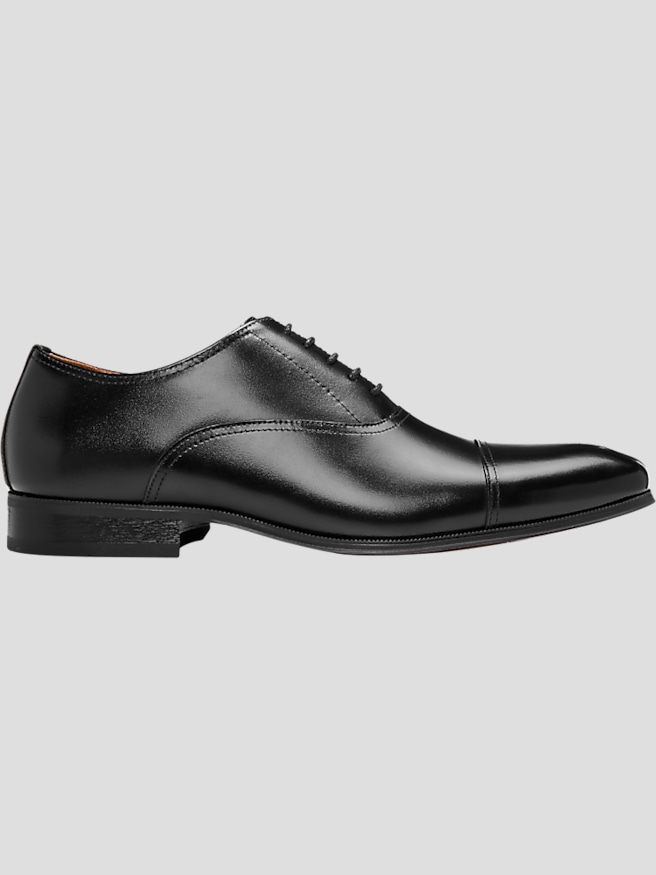
Black suede shoes pair a soft, napped surface with a deep neutral color, offering a textured alternative to smooth leather dress shoes. Traditional suede is leather finished on the underside of the hide, creating fine fibers that give the surface its velvety feel. Those fibers catch light unevenly, so a black shoe can appear richly dark from one angle and slightly lighter from another. That subtle variation adds depth to an outfit without introducing another color or a bold pattern. For men who want footwear that works with tailored clothing and more relaxed separates, black suede occupies a useful middle ground: refined enough for many offices, dinners, and celebrations, yet less glossy and formal-looking than polished leather. Shape and construction influence where a pair fits best. A slim lace-up with restrained detailing generally looks dressier than a rounded loafer or a sneaker-inspired silhouette, even when each has the same black suede finish. With charcoal trousers and a light blue shirt, the texture creates a softer contrast than a high-shine shoe. With dark jeans, a knit polo, and a structured jacket, it adds polish without making the outfit feel overly dressed. Black suede also works naturally with navy, gray, cream, and olive, making it easy to repeat across a wardrobe. Keeping trouser hems neat helps the shoe’s shape remain visible; excessive fabric gathering around the ankle can hide the details that make suede distinctive. For a smoother surface and a more traditional polished appearance, Black Leather Shoes offer a useful comparison. The distinction matters most when an occasion has a specific dress code. Suede can suit a business-casual meeting, an evening out, or a wedding with a relaxed dress code, while strict black-tie occasions generally call for more conventional formal footwear. The best match depends on the entire shoe, the outfit, and the expectations of the setting—not simply the color.
Materials, fit, and construction determine how black suede shoes feel over a full day. Genuine suede has a fibrous texture that can soften with wear, while synthetic suede-look materials have their own care requirements and may feel or flex differently. The upper material alone does not determine comfort; lining, internal seams, cushioning, sole flexibility, and the shape of the shoe all play a part. A well-fitting pair should hold the heel securely, leave enough room for the toes to rest naturally, and bend near the ball of the foot rather than press sharply across it. Suede may relax somewhat, but that is not a dependable solution for cramped toes, persistent rubbing, or a shoe that is too short. Lace-up designs allow adjustment over the instep, which can be helpful when a day includes both desk time and walking between appointments. Loafers rely more heavily on the relationship between the heel, instep, and opening, so a close but comfortable fit is especially important. The socks intended for regular wear also affect fit: thin dress socks and thicker casual socks can change how securely the same shape sits on the foot. Underfoot, rubber soles may provide cushioning and traction, depending on their compound and tread, while leather soles often create a slimmer, more traditional profile. Neither material guarantees comfort or durability on its own. A narrow sole edge can complement tailored trousers, while a more substantial sole can balance denim or heavier-textured pants. For someone who spends hours standing at receptions, moving around an office, or walking through large event spaces, stable support and comfortable flex matter more than a sleek appearance alone. Finishing details deserve attention as well: even stitching, a secure heel, and a tidy connection between the upper and sole help establish how carefully a shoe is made. Repair options depend on construction, so the ability to replace a heel or sole should not be assumed from appearance alone.
The distinctive surface of black suede rewards consistent, gentle care. Dust can settle between the fibers, and repeated friction can flatten the nap, leaving some areas looking smoother or lighter than others. Regular brushing with a tool intended for suede helps lift loose dirt and restore texture without treating the surface like polished leather. Traditional shoe polish and leather creams are generally unsuitable because they can darken, flatten, or clog the nap. A suede eraser may help with small dry marks, while deeper stains may need a cleaner specifically labeled for the material or attention from a shoe-care professional. Any cleaner or protective treatment should be checked against the manufacturer’s directions and tested on an inconspicuous area before broader use. A compatible protector may help resist certain spills and stains, but it does not make suede waterproof or eliminate the need for care. If the material becomes damp, natural drying away from direct heat helps reduce the risk of stiffening or distortion; brushing is best left until the surface is dry. Storage matters, too. Giving shoes space rather than pressing them tightly against other footwear helps prevent flattened patches, and appropriately sized shoe trees can help maintain shape between wears. Alternating pairs allows the interior time to dry from normal use and reduces the demands placed on a single pair. These habits are particularly useful for black suede because scuffs, lint, and pale dust can stand out against the dark surface. For someone building a versatile wardrobe, the appeal lies in having a familiar color with a more tactile finish: understated at a distance, detailed up close, and adaptable across many everyday occasions. Black suede shoes can also make a thoughtful gift for a man who enjoys dressing well for dinners, work, or celebrations. Knowing his usual size, preferred width, and favored shoe shape makes the choice more personal and practical, especially when comfort is as important to him as appearance.