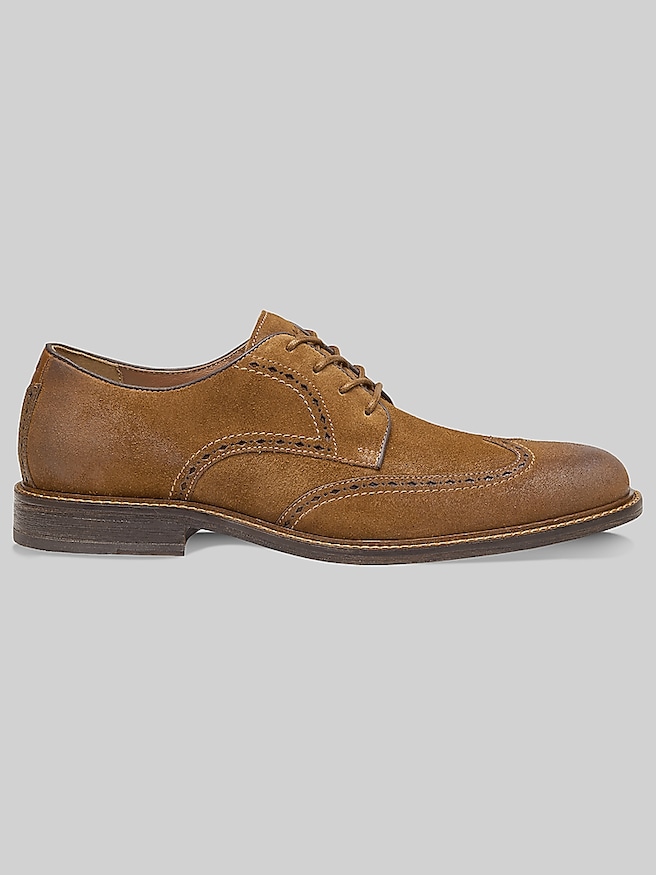
Men’s suede shoes bring soft texture and understated depth to everyday outfits, business-casual clothing, and relaxed tailoring. Suede is leather with a fine, brushed nap, typically created from the underside of a hide. That surface absorbs light rather than reflecting it like polished leather, giving colors a rich, muted appearance that changes slightly as the fibers move. The result is footwear that can feel less formal than a glossy dress shoe without looking unfinished. Common silhouettes include lace-up derbies, loafers, low-top sneakers, driving shoes, and ankle-height chukka boots, each suited to a different pace and level of dress. A suede derby offers structure with dress trousers, while a simple sneaker makes an easy companion to dark denim and a knit polo. Loafers sit comfortably between those looks, pairing with chinos for dinner or with an unstructured jacket for a gathering where a full suit would feel excessive. Chukka boots add a higher profile and a clean line beneath straight-leg pants. Color plays an equally useful role: dark brown is a versatile partner for navy, gray, and earth tones; tan creates more contrast; and navy or gray offers an alternative to familiar brown footwear. Black suede has a particularly subdued look that works well with dark trousers and restrained accessories. Because texture is already part of the appeal, uncomplicated uppers and balanced proportions often make these shoes easy to wear repeatedly. A fine, even nap generally looks more refined, while a more pronounced texture gives casual styles additional character. Leather source, thickness, backing, and construction all influence how a shoe feels, so suede should not be treated as a guarantee of either softness or flexibility. Suede-look textiles can resemble the same finish but have different care needs and wear characteristics. For men building a versatile wardrobe, the most useful choice is usually a silhouette that suits familiar clothing rather than one that requires an entirely new outfit.
The right fit gives men’s suede footwear its comfortable, composed appearance, whether the day involves a desk, a dinner reservation, or several hours on foot. A soft-looking upper can still have a structured toe, firm heel counter, or substantial lining, and those internal details matter as much as the surface. Toes need room to lie naturally without pressing against the front or sides, while the heel should feel secure without rubbing. Lace-up styles allow some adjustment across the instep; slip-ons depend more closely on the relationship between foot shape and the shoe’s opening. Excess pressure across the top of the foot is not a dependable sign that a loafer simply needs breaking in. Suede may relax with wear, but a shoe that starts noticeably tight or allows excessive movement is unlikely to become an ideal fit. The socks intended for regular use also affect sizing and feel, particularly when moving between dress socks and thicker casual pairs. Underfoot, cushioning, arch contour, flexibility, and shoe weight contribute to comfort in different ways. A rubber outsole can provide useful grip and a more casual appearance, although traction depends on its compound and tread. A leather outsole gives a traditional dress-shoe profile, with a firmer feel that varies by construction. Low-profile soles look neat beneath tailored trousers, while thicker soles add visual weight that often works better with denim or substantial chinos. Durability comes from the whole shoe, including stitching, lining, sole attachment, and the quality of the upper. Some stitched constructions can be resoled, depending on their design and condition; others are not intended for that kind of repair. For a frequent commuter or someone attending events with long stretches of standing, a secure fit and a comfortable sole are more valuable than softness alone. Clean stitching, smooth interior seams, and a heel that holds its shape are practical details worth considering alongside color and style.
Suede rewards consistent, gentle care, and its distinctive texture makes a little routine attention worthwhile. Loose dust can settle into the nap, especially around seams and the toe, while repeated friction can flatten the surface in spots. A suede brush suited to the leather helps lift dry debris and restore the direction of the fibers without the shine associated with polish. A suede eraser may help with minor surface marks, but delicate finishes need a light touch and the manufacturer’s care recommendations. Traditional cream polish and products intended for smooth leather can darken suede or flatten its nap, so material-specific care is important. Protective treatments should be suitable for the exact upper and tested on an inconspicuous area before broader application. Water exposure can leave marks, and damp shoes need to dry naturally away from direct heat. Shoe trees can help preserve shape between wears, while a little space between pairs during storage reduces rubbing and compression. Rotating footwear also gives linings time to air out and keeps one pair from taking all the wear. With that attention, suede can develop an appealing, lived-in character while remaining presentable for its intended setting. For occasions that call for tailoring, men’s suede formal shoes offer a textured alternative to smooth leather, particularly with daytime wedding attire, dress trousers, or a softly structured suit. They are not a universal substitute for patent leather at an event with strict black-tie expectations; the invitation and dress code still determine the appropriate footwear. More relaxed suede styles suit office days, restaurant outings, and family celebrations where polished but approachable clothing feels right. As a gift, suede shoes make the most sense when the recipient’s size, preferred fit, and usual wardrobe are well understood. A familiar silhouette in a versatile color is easier to incorporate than an unfamiliar shape chosen for appearance alone. Across dressier and casual settings, the lasting appeal is the same: tactile leather, subtle color, and a finish that adds interest without demanding attention.