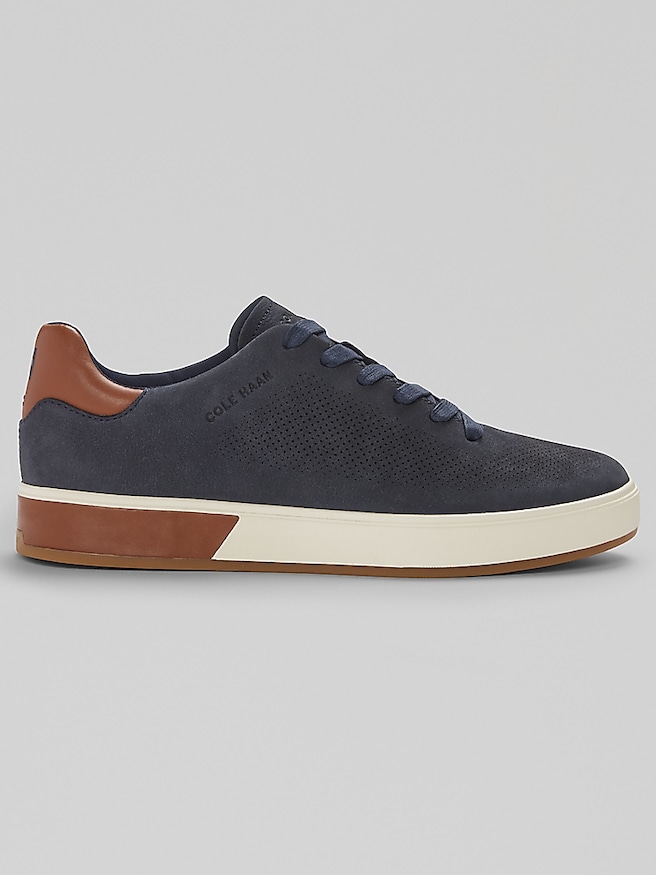
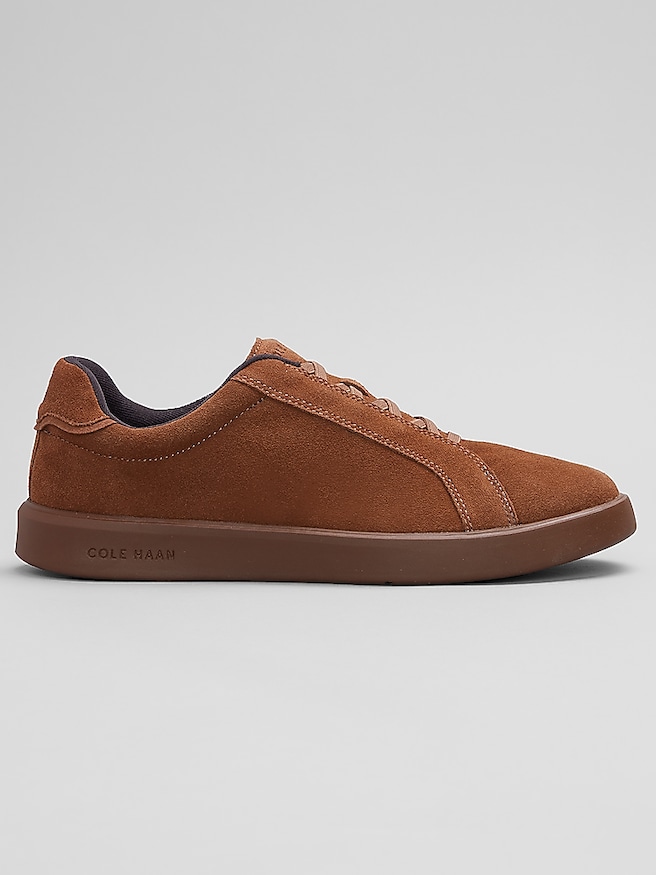
Suede sneakers are casual shoes with a soft, textured upper and a sneaker sole, bringing together the rich appearance of suede and the easygoing shape of everyday footwear. Their distinctive surface comes from the leather’s nap: fine fibers that give the material a velvety feel and subtle variations in color as they catch the light. That texture makes even a simple lace-up silhouette feel more dimensional than a smooth leather or canvas shoe. Many designs draw on classic court and athletic footwear, with low profiles, rounded toes, and uncomplicated panels that work naturally with a modern casual wardrobe. Others feature broader shapes or thicker soles for a more substantial look. The difference is less about one style being better than another and more about the proportions that suit the wearer’s clothing and preferences. A slim suede sneaker creates a neat finish beneath tapered chinos, while a fuller silhouette can balance straight-leg denim or relaxed trousers. Brown, tan, gray, and navy are versatile choices, each offering a different relationship to the rest of an outfit. Tan suede creates a gentle contrast against dark denim; deep brown feels grounded with olive chinos; gray works easily with black, charcoal, and blue. Tonal stitching and matching laces keep the effect understated, while contrasting panels or soles lend a more distinctly sporty character. Genuine suede is leather, though some footwear uses synthetic materials designed to resemble its brushed surface, so material descriptions matter when comparing construction and care requirements. Suede may cover the entire upper or appear alongside smooth leather, mesh, or other textiles, changing both the appearance and the way the shoe feels. Lining materials, padding, and the structure beneath the upper also influence comfort. The appeal of men’s suede sneakers is this combination of texture and familiarity: an everyday footwear shape with enough visual depth to complement carefully chosen clothing without making the outfit feel overly dressed.
Fit and construction determine how well suede sneakers move from an appealing choice to a dependable part of a daily rotation. The heel should feel secure, the widest part of the foot should sit comfortably within the shoe, and the toes should have room without sliding forward with each step. A soft upper can feel welcoming at first touch, but softness alone does not guarantee the right fit. Seams, overlays, and the shape of the toe box can affect where pressure develops, particularly across the forefoot. Suede may soften with wear, but a shoe that pinches or compresses the toes should not be expected to become comfortable simply through use. Trying footwear with the type of socks normally worn makes the fit assessment more useful, and walking a few steps helps reveal heel movement or rubbing that may not be obvious while standing still. Underfoot, cushioning, arch support, and sole flexibility vary by design. Rubber outsoles can provide useful grip and resistance to everyday abrasion, although traction depends on the tread pattern and walking surface rather than the material name alone. A well-attached sole, tidy stitching, and reinforced areas around the heel and lace openings are practical details to consider for repeated wear. These shoes generally make sense for commuting, casual office settings, meals out, and time spent on foot between everyday destinations; a sneaker-inspired appearance does not necessarily mean the shoe is designed for running or intensive training. For clothing, the most natural combinations let the suede contribute texture without competing with every other element. Dark jeans, a clean knit polo, and brown suede sneakers create an easy outfit for a casual dinner. Chinos with a button-down shirt offer a slightly more polished direction, while an unstructured jacket can work in a workplace that welcomes relaxed footwear. Trouser hems that fall neatly near the top of the shoe help maintain a clean line. Suede sneakers remain casual, however, and are not a substitute for dress shoes when an occasion calls for formal attire.
Regular, gentle care helps preserve the character of suede without trying to make it behave like smooth leather. Dust and loose debris can settle into the nap, so a suede brush is useful for lifting surface dirt and restoring the texture. Cleaning is best approached with light pressure and tools intended for the material, following the footwear manufacturer’s recommendations rather than using ordinary leather polish or a heavy conditioning cream. A suede eraser may help with certain dry surface marks, while more persistent stains can require a cleaner specifically formulated for suede. Any treatment should be tested on an inconspicuous area first, since the nap and color can respond differently depending on the leather and finish. A compatible protective spray may reduce staining, but it does not make suede stainproof or remove the need for careful handling. If the upper becomes damp, allowing it to dry naturally away from direct heat helps avoid unnecessary damage; brushing before it has dried can disturb the surface. Keeping the shoes in a clean, dry storage space and giving them time between wears can also support their condition. Shoe trees or lightly placed paper can help maintain the shape without stretching the upper. Small changes in texture are part of suede’s appeal, and gentle wear can give the material an individual character, but embedded dirt and neglected stains are harder to address than fresh surface marks. For a gift, suede sneakers can suit someone who appreciates comfortable casual dressing, especially when the choice reflects an established shoe size, preferred width, and familiar silhouette. A person who regularly wears navy chinos may get considerable use from gray or brown suede, while someone with a denim-heavy wardrobe may prefer a simple, low-profile shape. The same interest in soft leather texture can extend to Suede Moccasins, which offer a different silhouette for relaxed outfits. The strongest footwear choice ultimately fits both the foot and the routine: comfortable enough for its intended use, proportioned to the wearer’s clothing, and cared for in a way that preserves suede’s distinctive finish.