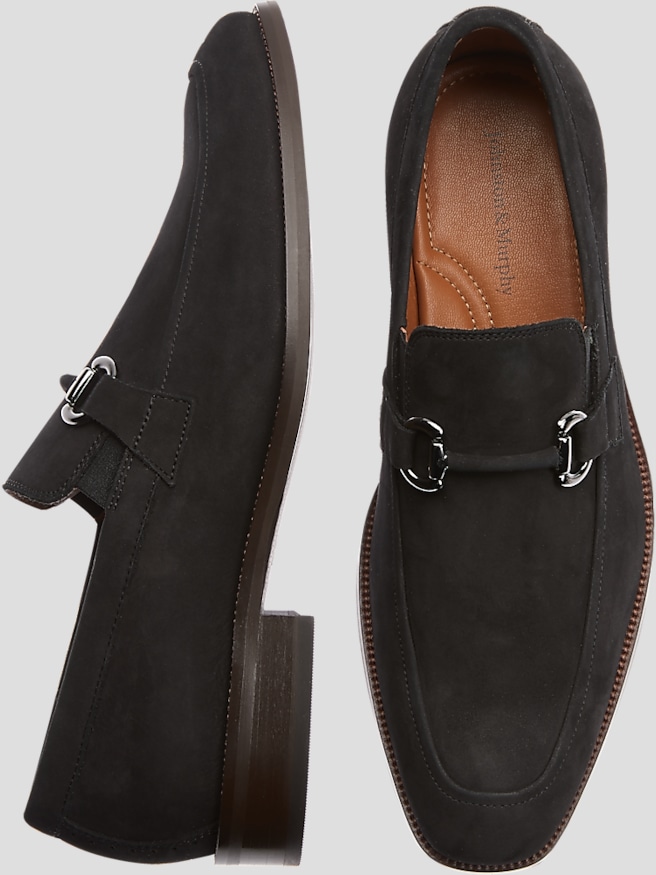
Suede slip-on sneakers are lace-free casual shoes that combine a soft, napped upper with the familiar shape and cushioned sole of a sneaker. Their appeal comes from that balance: suede brings depth and texture, while the slip-on design keeps the overall look relaxed and uncluttered. Genuine suede is leather with a fine, brushed surface, and its nap can appear lighter or darker depending on how it catches the light. That subtle variation gives even a simple pair more character than a smooth, uniform finish. Materials labeled as synthetic suede can have a similar appearance, but their feel, breathability, and care requirements may differ, making the material description worth checking. Elastic side panels are a common feature, allowing the opening to expand as the foot slides in and then settle back into place. Other designs rely on a flexible collar or a more structured opening, so ease of entry varies with construction. Low-profile soles tend to look understated, while thicker soles create a more pronounced sneaker silhouette. Neutral shades such as tan, brown, gray, and navy work easily with an everyday wardrobe; darker tones often create a quieter contrast with tailored trousers. For an uncomplicated outfit, pair suede slip-on sneakers with straight-leg jeans and a knit polo, leaving the hem clear of the shoe rather than allowing fabric to bunch over it. Chinos and an Oxford shirt offer a slightly sharper combination, and an unstructured blazer can make the same footwear feel appropriate for a casual dinner or a relaxed office. The broader category of suede slip-on shoes for men includes other silhouettes, but sneakers stand apart through their sporty proportions and everyday soles. The result is footwear that adds tactile interest without requiring bold colors, oversized details, or complicated styling.
Fit matters especially with suede slip-on sneakers because there are no laces to tighten across the instep. A well-fitting pair should hold the heel securely, feel comfortably close through the midfoot, and leave enough space for the toes to move without pressing against the front. Slight movement at the heel can occur with some constructions, but repeated slipping, rubbing, or a need to grip with the toes suggests the fit needs another look. The upper should not pinch across the widest part of the foot or create concentrated pressure over the instep. Although suede can soften and conform with wear, it should not be counted on to correct a shoe that starts out too short or painfully tight. Try footwear with the type of socks intended for regular use, since a cushioned crew sock and a thin no-show sock take up noticeably different amounts of space. For a cleaner ankle line, no-show socks can provide a barrier between the foot and lining without changing the visual effect of the slip-on opening. When assessing comfort, consider the lining, the shape of the footbed, the flexibility of the forefoot, and the amount of cushioning beneath the heel. A padded collar may reduce friction, while an interior seam in the wrong place can become distracting after several hours. Anyone who uses an orthotic should check whether the footbed is removable and whether the shoe has enough depth to accommodate the insert comfortably. For commuting, casual office days, museum visits, or an afternoon spent moving between errands and lunch, secure fit and dependable traction matter more than appearance alone. Rubber outsoles with a defined tread can provide useful grip, although performance depends on the surface and the sole design. Suede slip-on sneakers are generally intended for casual wear rather than running, court sports, or demanding workouts. Their best use is the space between athletic footwear and dress shoes, where ease, comfort, and a considered appearance all have a role.
Keeping suede slip-on sneakers looking good depends less on elaborate treatment than on small, consistent habits. Before the first wear, review the care instructions and, if recommended, apply a protector specifically labeled for suede, testing it on a discreet area first. Such treatments may help resist marks, but they do not make the material waterproof or eliminate the need for careful cleaning. A suede brush can lift the nap and remove loose surface dust; gentle strokes are usually preferable to vigorous scrubbing. For a light scuff or dry mark, a suede eraser may help, provided it is suitable for the material. Oils, food spills, and deeper discoloration call for more caution, since rubbing can push a stain farther into the fibers. Avoid ordinary leather polish and heavy conditioning creams unless the manufacturer specifically approves them, as these can flatten the nap or change the color. If the shoes become damp, blot gently, support their shape with clean, unprinted paper, and allow them to air-dry away from direct heat. Clean the sole edges separately with an appropriate method so dirt does not transfer onto the upper. Letting footwear air out between wears helps the lining dry and reduces repeated stress on the same pair. Durability also depends on construction: inspect the joins between the upper and sole, the stitching around elastic panels, and the finish inside the heel, where frequent entry can cause friction. A shoehorn can help preserve the heel shape instead of crushing the back underfoot. For gifting, suede slip-on sneakers make sense for someone who favors practical, polished casual clothing and appreciates footwear that works with several outfits. Accurate sizing is particularly important because the opening and instep fit are less adjustable than those of lace-up shoes. A recipient’s preferred colors, usual sock thickness, and daily routine offer better clues than appearance alone. With a suitable fit and thoughtful care, this style can become a dependable choice for getting dressed comfortably without looking overly athletic or formal.