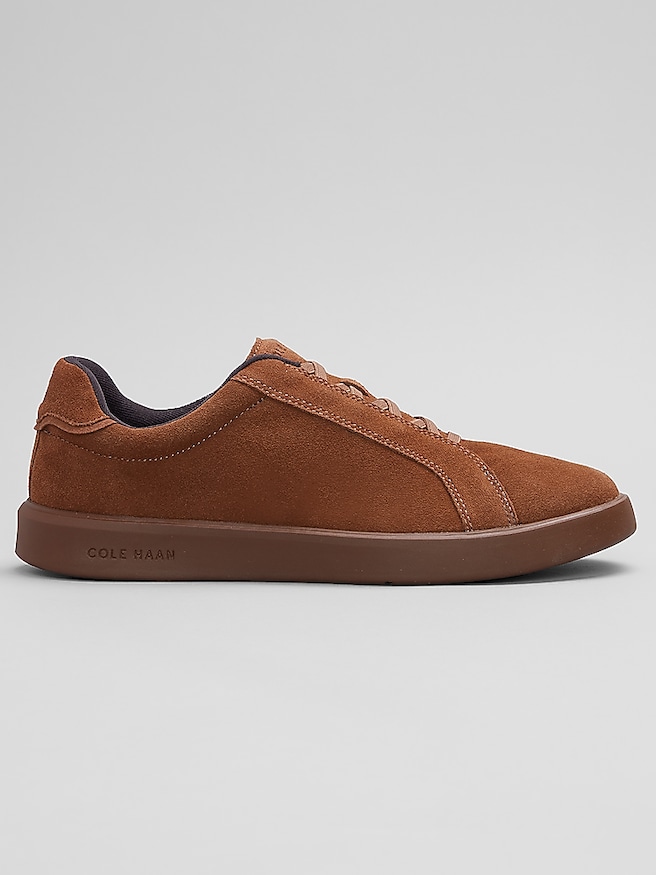
Suede slip-on shoes for men bring a softer texture to outfits that might otherwise feel a little too crisp or uniform. The fine nap gives leather a matte finish, with subtle changes in tone as the fibers catch the light. That texture is part of the appeal: it adds depth without relying on a bold pattern or a glossy shine. Slip-on construction keeps the silhouette clean, making these shoes a natural match for chinos, tailored trousers, and dark denim. Within the category, penny-loafer styling offers a familiar, understated look, while tassels and stitched apron details add character. A streamlined shape can sit comfortably alongside a sport coat; a broader toe and more substantial sole tend to feel more relaxed. Color also changes the impression. Brown suede works especially well with navy trousers, olive chinos, and cream-colored pants, while tan creates a more noticeable contrast against dark fabrics. For a darker, quieter foundation, black suede loafers for men pair naturally with charcoal trousers, black denim, and restrained outfits built around gray or navy. The best combinations allow the texture to do some of the work. A knit polo tucked into tailored pants, for example, has enough structure for a dinner reservation without making suede slip-ons look out of place. With denim, a clean hem and a shirt that fits well keep the outfit intentional rather than overly casual. Trouser length matters, too: fabric that pools over the shoe can hide the details that make a loafer distinctive, while a neat break leaves the shape visible. Suede slip-ons suit everyday office settings with a relaxed dress code, lunches out, celebrations, and evenings when sneakers feel too casual but high-shine footwear feels unnecessary. They can also complement an unstructured suit when the occasion permits a less formal finish. For events with a strict formal dress code, smooth leather dress shoes may be the more appropriate choice.
Comfort in suede slip-on shoes depends on more than the softness of the upper. Because there are no laces to adjust, the relationship between the heel, instep, and toe box is especially important. A good fit feels secure across the top of the foot without squeezing it, with enough space at the front for toes to rest naturally. The heel should remain reasonably stable as you walk; persistent lifting or the need to grip with your toes can signal that the shoe is too loose or that its shape does not suit your foot. Conversely, pressure across the ball of the foot should not be dismissed as something that will automatically disappear. Suede may soften and conform somewhat with wear, but it should not be expected to gain meaningful length. Trying slip-ons with the socks intended for regular use gives a more useful sense of fit than switching between thick dress socks and bare feet. No-show socks preserve an exposed-ankle look while adding a washable layer between the foot and the lining, and fine-gauge dress socks create a more continuous line with tailored trousers. Inside the shoe, lining materials, seams, and cushioning influence how comfortable it feels through a full day. A leather lining can help manage moisture, while other lining materials vary in breathability and feel. Padding may soften contact underfoot, but cushioning alone does not guarantee the support needed for extended walking. Sole construction deserves equal attention. Rubber soles often provide flexibility and traction for everyday movement, while leather soles offer a traditional profile and a distinct feel underfoot; grip varies with the surface and the sole design. A flexible loafer can be pleasant for an office day with short walks between appointments, but hours spent standing or walking may call for more substantial support. Weight, toe shape, and the height of the vamp also affect the experience. A lower-cut upper looks sleek, while a higher vamp offers more coverage across the instep. Those details help distinguish a shoe that merely looks right from one that feels right throughout its intended use.
Suede rewards consistent, gentle care because its surface behaves differently from smooth leather. The nap can collect dust, flatten in high-contact areas, and show marks where the fibers have been pressed in another direction. A suede brush helps lift those fibers and remove loose dirt, restoring some of the surface texture without coating it. Brushing is most effective when the material is dry, using light pressure rather than scrubbing aggressively at one spot. For small dry marks, a suede eraser may help, provided it is suitable for the material and used according to its directions. Cream polish and conventional leather wax are generally not appropriate for suede because they can darken or flatten the nap. Protective treatments should specifically state that they are suitable for suede, and a test on a discreet area helps reveal any change in color before a broader application. Spills deserve prompt attention: gently blotting excess liquid with a clean cloth is preferable to rubbing it deeper into the surface. Oily stains and stubborn discoloration may need professional cleaning rather than repeated attempts with household products. If shoes become damp, letting them dry naturally away from direct heat helps protect their shape and texture. Shoe trees sized appropriately for the footwear can support the upper between wears, and a shoehorn reduces strain on the heel when slipping them on. Giving each pair time to air out also helps the lining dry between uses. Over time, well-cared-for suede can develop a softer, lived-in appearance, though durability still depends on leather quality, construction, sole wear, and how the shoes are used. Someone who favors tailored casual clothing may appreciate suede slip-ons as a thoughtful gift, particularly when the color fits an established wardrobe. Knowing the recipient’s size, preferred width, and usual sock choice matters as much as choosing a versatile shade. For a man who moves between desk work, dinners, and social occasions, a comfortable, understated silhouette can become a useful finishing touch rather than footwear reserved for a single outfit.