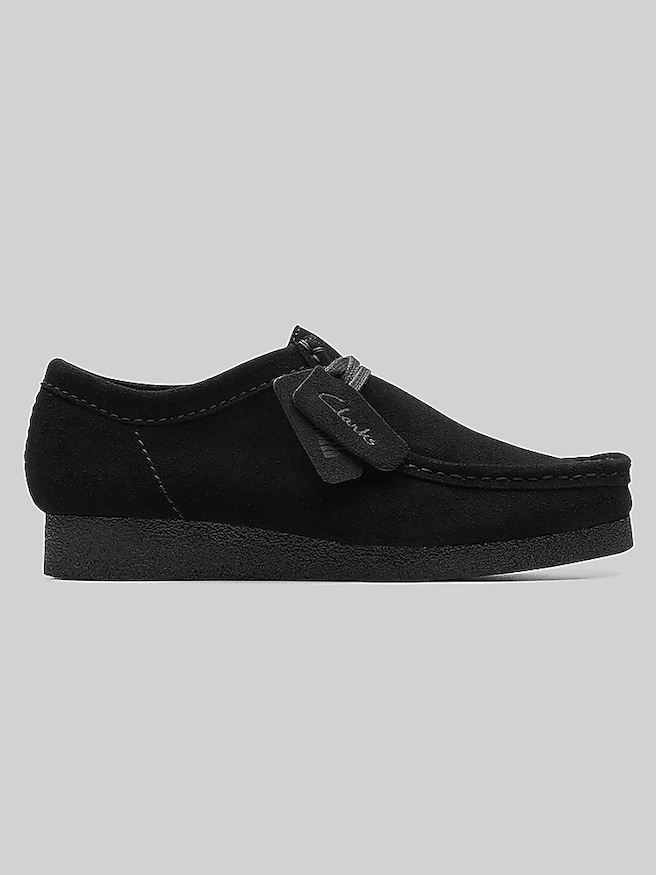
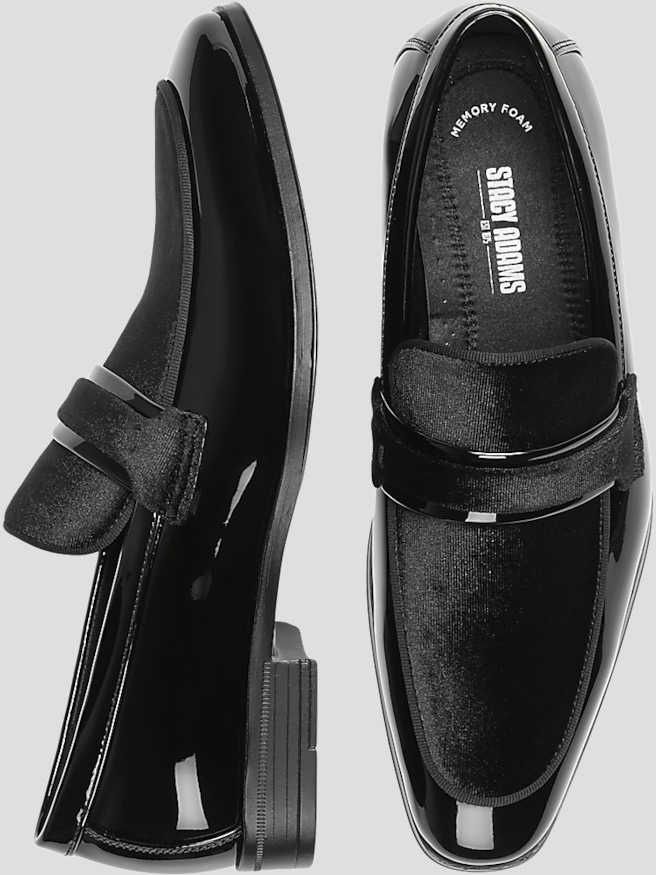
Men's slip-on suede boots combine the soft, textured surface of suede with a pull-on design that does not require laces. Their appeal lies in that balance: the shape can look clean and tailored, while the material brings a relaxed finish to everyday clothing. Chelsea boots are a familiar example, with elastic side panels that stretch for entry and help hold the ankle once the foot is inside. Other pull-on designs use a wider opening, a shaped shaft, or discreet elastic sections to achieve a similar effect. Pull tabs can make getting dressed easier, but the opening and overall shape matter just as much as the tab itself. Natural suede is leather with a raised nap, typically created from the underside of a hide. That fine, brushed texture absorbs light rather than reflecting it like polished leather, giving even a simple boot depth and subtle variation. The nap may look lighter or darker when brushed in opposite directions; this is part of its character rather than necessarily a flaw. A shorter, finer nap tends to appear more refined, while a more pronounced texture gives a boot a casual feel. Construction beneath the suede also shapes the experience. A structured toe maintains a defined profile, a flexible forefoot supports natural movement, and the lining affects how the boot feels against a sock. Leather linings can gradually conform to the foot, while textile linings vary in softness and breathability. Underfoot, cushioning and support depend on the footbed and overall construction, not simply on how soft the upper feels. Outsoles deserve equal attention: rubber can provide flexibility and useful grip, while leather soles generally create a slimmer dress profile. Tread, sole compound, and the surface underfoot all influence traction. For frequent wear, secure stitching, firmly attached soles, and resilient elastic panels are meaningful details because a lace-free boot relies on its shape to maintain a comfortable hold.
The versatility of suede makes these boots especially useful for wardrobes that move between casual clothing and relaxed tailoring. A streamlined pair can sit neatly beneath straight or tapered trousers, with the hem falling close to the top of the boot rather than gathering heavily around the ankle. Dark denim and a knit polo create an easy combination for dinner, while chinos, an Oxford shirt, and an unstructured jacket suit many business-casual settings. For an office with a more traditional dress code, a refined toe shape and a restrained sole usually look more appropriate than a broad toe and deeply lugged tread. Suede generally reads less formal than polished dress leather, so it works best where a little texture feels intentional; it is not a substitute for footwear required by a black-tie dress code. Color changes the effect as well. Black suede gives dark trousers a quiet, continuous line, while tan and medium brown create more contrast with navy or charcoal. Deeper brown can bridge both approaches, offering richness without drawing too much attention to the feet. For another view of that versatile color family, Men's Brown Slip On Boots offers a related category to consider. Matching every leather accessory exactly is not essential; a belt in a compatible shade is usually enough to make an outfit feel considered. Proportion often matters more than a precise color match. A narrow boot shaft pairs comfortably with a tapered pant opening, whereas a substantial sole generally looks more balanced beneath denim or trousers with a little more room. These boots can also make a thoughtful gift for a partner, father, brother, or friend who favors simple dressing and textured materials. Knowing the recipient's usual boot size, preferred width, and typical outfits makes that choice more personal than choosing by color alone.
Fit is particularly important in men's slip-on suede boots because there are no laces to tighten across the instep. The foot should feel held through the middle without pinching, and the toes need enough room to rest naturally rather than press against the front or sides. A small amount of heel movement can occur in a new pull-on boot, but repeated lifting, rubbing, or forward sliding suggests that the shape or size needs another look. Suede may soften and give slightly with wear, yet that does not make an overly narrow toe box or an uncomfortable instep a sound choice. The best fit also depends on the socks intended for everyday use: a thick cushioned sock takes up noticeably more space than a thin dress sock. Trying boots with that usual sock weight gives a more useful sense of how they will feel through a commute, a workday, or an evening out. Long-term appearance depends on care as much as construction. Routine brushing with a suede brush helps lift loose dust and restore the nap without flattening its texture. A suede eraser can help with some dry surface marks, while deeper stains may need a cleaner specifically formulated for suede or attention from a leather-care professional. Smooth-leather polish and heavy conditioning creams are generally unsuitable because they can darken the material or alter its brushed finish. Any cleaner or protective treatment should first be tested on an inconspicuous area and used according to its directions. If suede becomes damp, letting it dry naturally away from direct heat helps protect its shape and texture; brushing is best left until the material is dry. Shoe trees can help maintain the shape between wears, and allowing boots to air out supports the lining as well as the upper. Taking them off by hand rather than pushing one heel down with the other foot reduces unnecessary stress on the heel and sole attachment. With a suitable fit and consistent care, slip-on suede boots can develop a pleasing, lived-in character while remaining a dependable part of a well-used wardrobe.