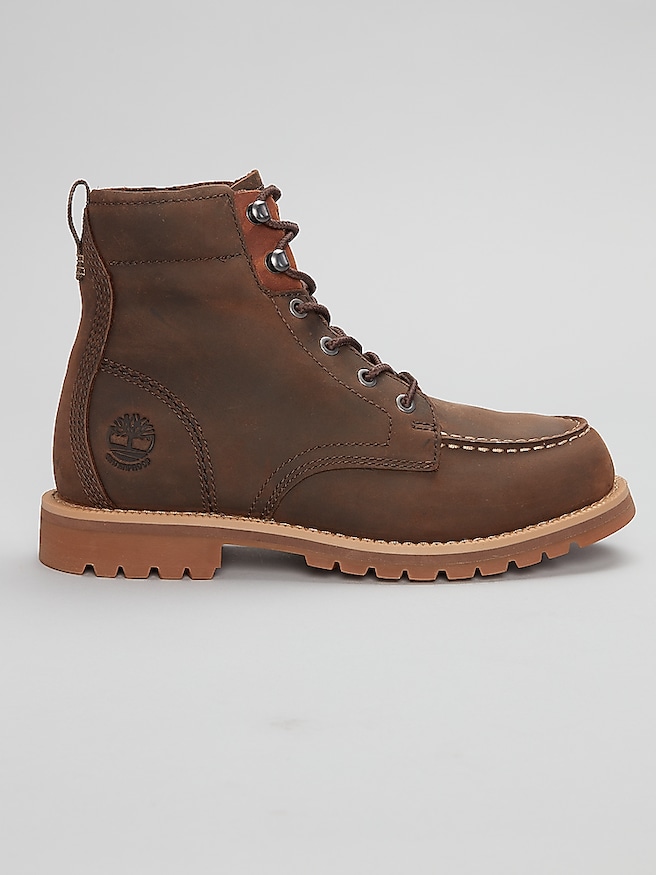
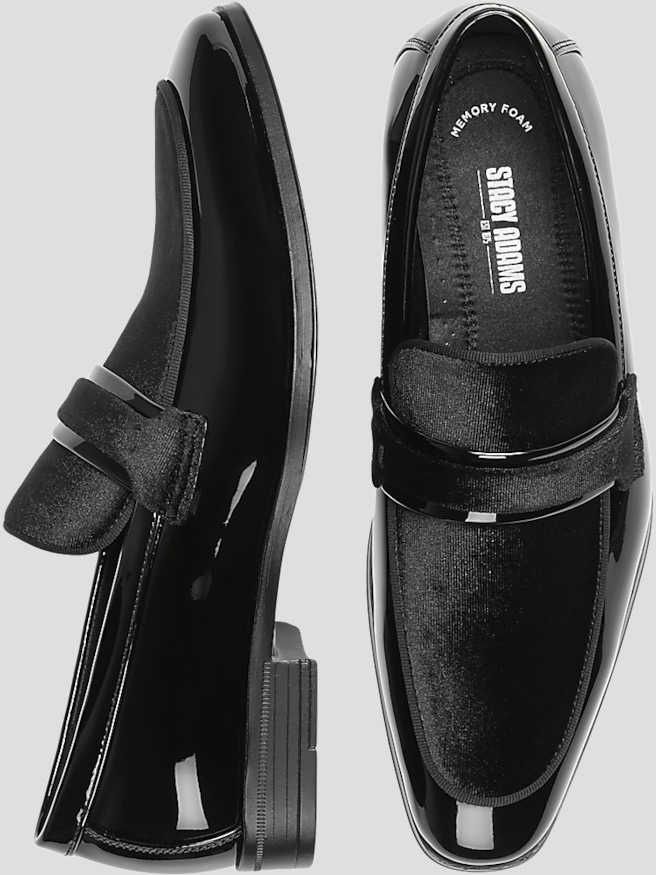
Men's brown slip-on boots combine the coverage of an ankle boot with a pull-on design that leaves laces out of the equation. Their appeal starts with that simplicity: a clean shape, an easy transition from trousers to denim, and brown tones that work across a broad range of everyday outfits. Chelsea boots are a familiar example, recognizable by elastic side panels and a close-fitting ankle, though the broader category also includes roomier pull-on shapes with more substantial soles. The details make a noticeable difference. A tapered toe and a low-profile outsole create a refined appearance beneath tailored pants, while a rounded toe and a thicker sole feel more relaxed with straight-leg jeans. Smooth leather provides a defined surface that can develop character through regular wear. Full-grain leather retains its natural grain, while other leather finishes may have a more uniform appearance; the quality of the hide, finishing, and construction matters more than any single label. The soft, matte texture of men's slip-on suede boots offers another direction, adding depth alongside cotton chinos, textured trousers, and knitwear. Brown itself covers considerable ground. Tan and cognac shades create contrast against dark denim or navy pants, medium brown offers an understated middle ground, and espresso tones can sit comfortably within a dressier outfit. A dark brown boot with minimal stitching can complement a navy suit in a setting where boots suit the dress code, while a more rugged profile works naturally with an overshirt and jeans. The trouser opening matters, too: enough room for the hem to fall over the shaft helps maintain a clean line instead of catching at the ankle. Matching a belt closely is not essential for every casual outfit, but a similar brown tone gives business-casual clothing a more coordinated finish. For an office day followed by dinner, a restrained silhouette and a well-kept leather surface can bridge both settings without making the footwear the focal point.
Fit is especially important with brown slip-on boots because there are no laces to adjust tension across the foot. The instep, heel shape, and ankle opening do much of the work of holding the boot securely. A comfortable fit generally feels supportive through the middle of the foot, with space for the toes to rest naturally rather than pressing against the front or sides. Some slight heel movement may occur in a new pull-on boot, but pronounced lifting, rubbing, or a sensation that the foot is sliding forward suggests the shape or size needs reconsideration. Elastic panels should stretch during entry without remaining strained once the foot is inside. A pull tab helps guide the boot on, while a shoehorn can protect the heel structure from being crushed. Leather may soften with wear, but that does not correct cramped toes or a boot that is too short. The socks intended for everyday use also affect the fit, especially when comparing lightweight dress socks with more cushioned pairs. For someone who spends hours moving between a desk, meeting rooms, and city sidewalks, underfoot support and flexibility matter as much as appearance. Cushioning can soften the initial feel, while a stable heel and an outsole that bends appropriately through the forefoot support a more natural stride. Rubber outsoles often provide useful grip and cushioning, although traction depends on the tread pattern, compound, and surface. Leather outsoles typically have a slimmer, more traditional look and a distinct feel underfoot. Neither material alone determines overall quality. Consistent stitching, secure sole attachment, reinforced pull tabs, and elastic that recovers its shape are useful construction details. Some welted designs can be resoled by a qualified repair professional, potentially extending their useful life. A substantial-looking sole, however, does not automatically make a boot appropriate for job-site use; protective footwear needs to meet the requirements of the work involved.
The lasting appeal of men's brown slip-on boots depends partly on choosing a finish that suits the way they will be worn and maintained. Smooth leather generally benefits from regular dust removal with a soft brush or cloth, followed by occasional conditioning with a product intended for that leather type. Too much conditioner can leave residue or change the appearance, so a small amount and a test on an inconspicuous area are sensible precautions. Polish can help maintain color and a more finished surface when the leather's care instructions allow it. Suede calls for a lighter approach: a suede brush helps lift the nap and loosen surface dirt, while a suitable suede eraser can address some small marks. Standard leather creams and polishes are not appropriate for preserving suede's characteristic texture. Any cleaner or protective treatment should be compatible with the material, since brown finishes can darken or become uneven with the wrong application. Allowing boots to rest between wears gives the lining time to dry from ordinary foot moisture, and shoe trees can help maintain the shape without overstretching it. Storage away from direct heat and strong light helps protect both the upper and elastic panels. These habits are particularly worthwhile for a pair that handles a regular commute, restaurant outings, and casual gatherings rather than being reserved for occasional wear. Scuffs and creases are part of normal use, and on many leather finishes they contribute to an individual appearance rather than signaling that the boot has reached the end of its useful life. For gifting, familiar details are often the most helpful clues: the recipient's usual footwear size, preferred toe shape, typical trouser fit, and preference for polished leather or a softer texture. A father, partner, adult son, or friend who already favors simple footwear may appreciate the convenience of a pull-on design. The strongest choice is one that fits naturally into an existing wardrobe, with a comfortable shape, manageable care needs, and a level of refinement suited to the places it will be worn.