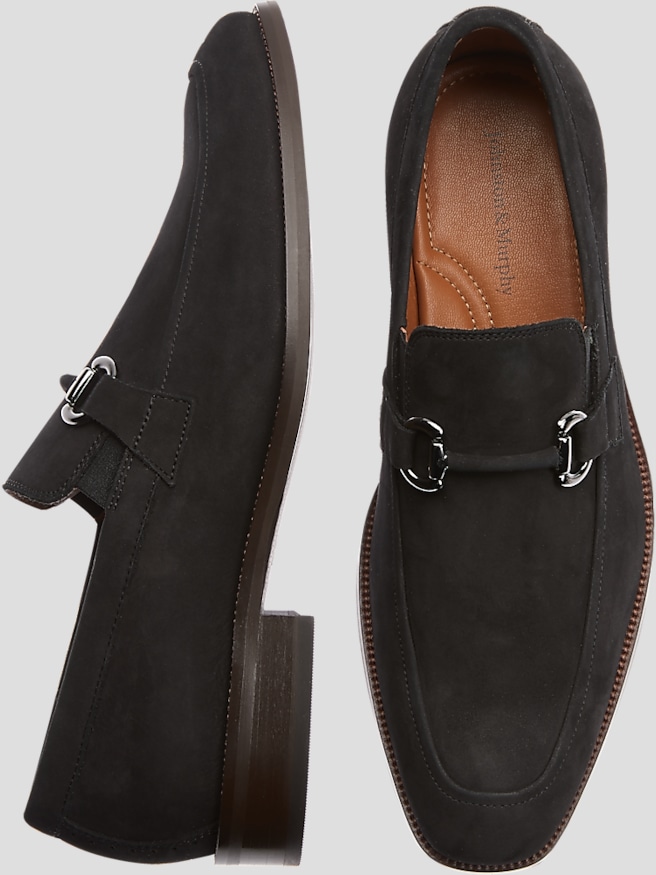
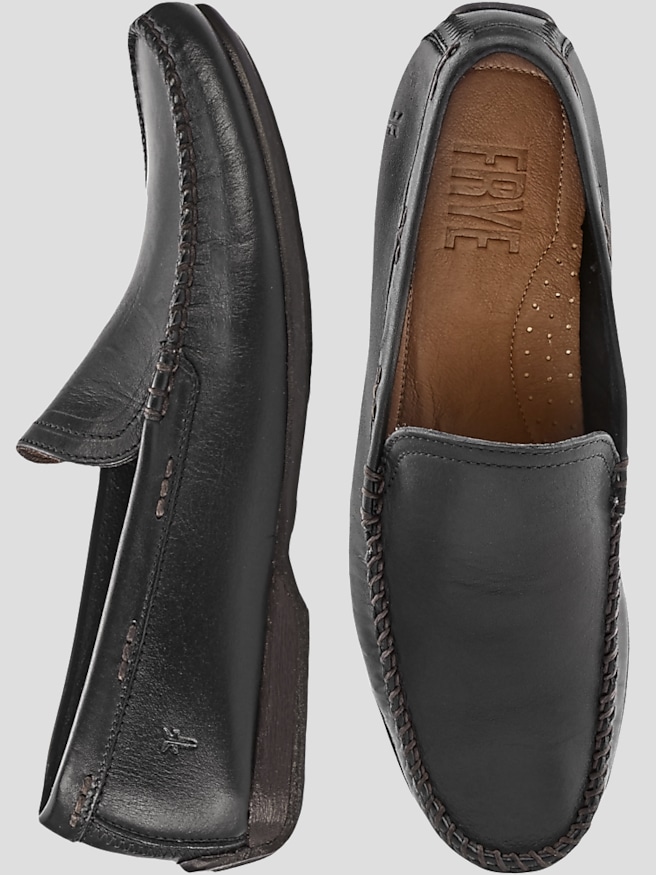
Brown leather slip-ons bring a relaxed sense of polish to a wardrobe, sitting comfortably between lace-up dress shoes and more casual footwear. Their appeal starts with the combination of rich color, a clean profile, and an upper that needs no tying before heading out the door. Brown leather can range from pale tan and warm cognac to deep chocolate, giving each pair a distinct relationship with the clothing around it. Lighter shades create a noticeable contrast against navy trousers, while darker browns tend to blend more quietly with charcoal, olive, and other grounded colors. With tailored clothing, a streamlined slip-on can keep the outfit looking deliberate without making it feel overly formal. With chinos or dark denim, that same shape adds definition to an otherwise easygoing combination. The details make a meaningful difference: a penny strap offers an understated focal point, tassels introduce movement and character, and a plain vamp lets the leather and silhouette do most of the work. Raised seams and apron stitching can give a shoe a more relaxed appearance, while a sleek upper and slim sole generally lean dressier. For an office presentation followed by dinner, a dark brown pair with pressed trousers and a textured sport coat strikes a useful middle ground. For a family celebration or an afternoon gathering, a softer-looking loafer can complement chinos and a tucked-in shirt without seeming stiff. The broader category of Brown Men's Slip On Shoes reflects that versatility, although leather has its own distinctive texture, structure, and care needs. Matching the formality of the shoe to the occasion matters more than finding an exact color match for every accessory. A brown belt in a similar depth of color usually creates enough continuity, and a trouser hem that rests lightly above the shoe keeps the vamp visible rather than hidden beneath excess fabric. For events with a strict formal dress code, traditional dress footwear may be a better match than a casual slip-on silhouette.
Leather influences both the appearance of brown slip-ons and the way they feel after repeated wear. Smooth leather emphasizes clean lines and develops creases where the foot bends, while pebbled leather has a more pronounced surface texture that can make small marks less noticeable. Suede offers a softer, matte appearance, but its raised nap calls for different cleaning methods than smooth leather. Descriptions such as full-grain and top-grain refer to how leather has been processed; they do not, on their own, tell the whole story of a shoe’s comfort or longevity. The thickness and flexibility of the upper, the lining, the stitching, and the connection between the upper and sole all contribute to how a pair performs. A leather lining may feel smooth against the foot, while padding around the heel or beneath the foot can soften contact in particular areas. Sole construction also changes the experience. A slim leather sole creates a traditional dress profile, whereas a rubber sole may provide more cushioning or grip, depending on its compound and tread. Neither material guarantees comfort on its own, especially during a day that includes a commute, several hours at a desk, and plenty of walking between appointments. Fit deserves particular attention because slip-ons lack laces that can tighten or loosen the upper. The vamp should hold the instep securely without pressing painfully across it, and the toes need room to lie naturally rather than curl or overlap. A small amount of heel movement can occur in some constructions, but persistent lifting or rubbing suggests that the shape or size is not working well. Leather can soften and conform with wear, but a shoe that feels sharply restrictive should not be expected to become the correct size. Trying slip-ons with the socks intended for everyday use gives a more useful impression than testing them with a much thicker or thinner pair. Anyone who uses an orthotic should also account for the extra space it requires, since not every footbed is removable and added height can affect heel security.
Keeping brown leather slip-ons looking good is largely a matter of consistent, modest care rather than occasional heavy treatment. Dust and surface grit can dull the finish and work into creases, so a gentle brushing or wipe with a soft cloth after wear helps preserve the surface. Smooth leather generally benefits from a suitable conditioner used sparingly, followed when needed by a compatible cream or polish. Testing any treatment on a discreet area first is especially important with lighter browns, since some formulas can deepen the color. A closely matched shoe cream can help even out minor scuffs, while excessive layers of polish may build up around stitching and flex points. Suede needs a separate approach: a suede brush and products intended for the material help lift the nap without coating it in smooth-leather polish. Care instructions supplied with the shoes should take priority, particularly when the leather has a distinctive finish. A shoehorn helps protect the back of a slip-on from being crushed during entry, and properly sized shoe trees can support its shape between wears. Allowing the interior to dry naturally before the next outing helps manage moisture from daily use; direct heat can damage leather and adhesives. Over time, attention to worn heel edges, thinning soles, and loose stitching may prevent a small issue from becoming a larger repair. Whether resoling is practical depends on the construction, so repairability is worth considering when long-term wear is a priority. Brown leather slip-ons can also make a thoughtful gift for someone starting an office role, refining a business-casual wardrobe, or replacing a well-used everyday pair. Knowing the recipient’s usual width, preferred toe shape, and sock habits is more helpful than choosing by color alone. For personal use or gifting, the strongest choice is one that suits real routines: enough structure for polished outfits, enough flexibility for ordinary movement, and a fit that feels secure without demanding constant adjustment. With appropriate care, the small changes in leather’s surface can become part of its character rather than a reason to set the shoes aside.