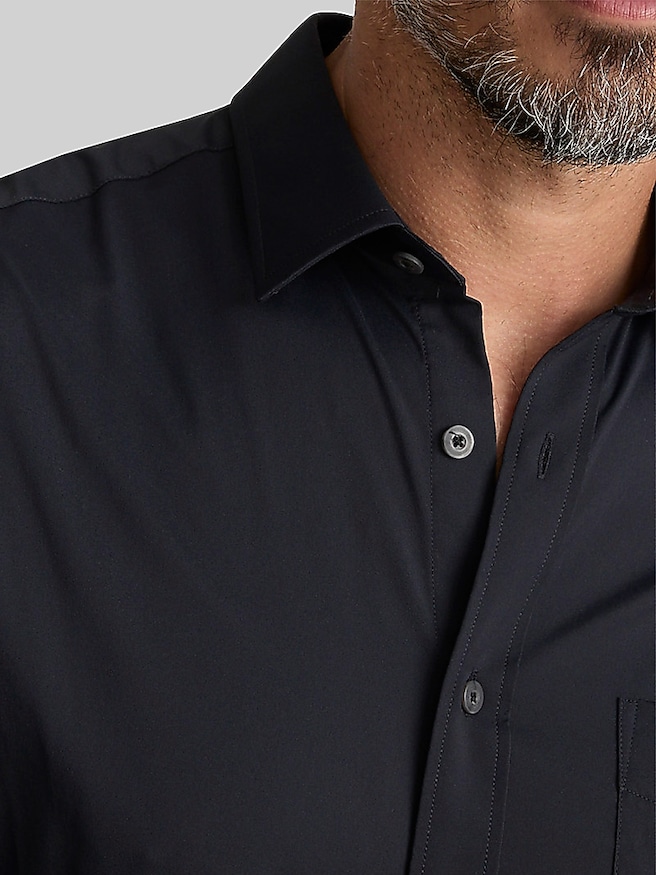
Weekend casual shirts combine comfortable fabrics, an easy fit, and enough structure to look put together without feeling dressed for the office. They suit the parts of a day that rarely stay on a schedule: breakfast at a neighborhood diner, a few errands, an afternoon with friends, and dinner that happens without much planning. A soft collar, a comfortable shoulder, and a hem that sits neatly over jeans can make a shirt feel right for all of those stops. The distinction is less about one particular style than about how the fabric, cut, and details work together. Cotton is a familiar starting point because it feels soft against the skin, absorbs moisture, and can take on anything from a smooth finish to a more textured weave. An Oxford weave has a slightly substantial, basketlike texture, while poplin generally feels smoother and looks crisper. Twill brings a subtle diagonal pattern and a pleasing drape. Linen has a naturally irregular surface and an easy appearance that includes some wrinkling; that lived-in character is part of its appeal rather than a flaw to eliminate. Cotton blends can add stretch, help fabric recover its shape, or simplify care, depending on their composition and finish. Knit shirts offer another kind of comfort, with flexibility built into the fabric structure and a softer outline than many woven styles. Solid colors keep combinations straightforward, while checks, stripes, and small-scale prints add interest without requiring an elaborate outfit. Navy, white, gray, olive, and muted blue tend to work easily with familiar denim and chinos. A more pronounced pattern can serve as the focal point when the rest of the outfit stays simple. The most useful weekend shirt is one that feels natural for the person wearing it, whether that means a clean, understated look or a little more color and texture.
Fit makes the difference between a shirt that merely looks casual and one that stays comfortable through a full day. Shoulder seams generally look most balanced when they sit close to the edge of the shoulder, with enough room across the upper back to reach forward without pulling. The front should lie smoothly when buttoned rather than opening between buttons, and the sleeves should allow the elbows to bend freely. A closer cut can create a clean outline, but it still needs room for sitting, driving, and lifting a bag onto a shoulder. A roomier cut offers more ease through the chest and waist without needing to look oversized. Hem length matters, too: shirts intended to be worn untucked usually look most balanced when they cover the waistband without extending so far down that they overwhelm the proportions of the outfit. A curved hem can work tucked or untucked depending on its length, while a straight hem often gives a distinctly casual finish. For added flexibility through everyday movement, Stretch Casual Shirts connect that easygoing look with fabrics designed to give as the body moves. Stretch can be especially useful during a long drive, a leisurely lunch, or a day spent moving between standing and sitting, though fabric content alone does not replace a good fit. Weekend casual shirts also leave room for personal styling without much effort. A patterned button-front shirt with dark jeans and clean sneakers feels relaxed but considered; a solid shirt with chinos and loafers brings a slightly sharper finish to a family gathering or casual dinner. Worn open over a plain T-shirt, a woven shirt becomes an easy layer with a softer outline. Leaving the collar open keeps the effect informal, while a neat sleeve roll can expose the forearm without leaving a bulky bunch of fabric at the elbow. Texture provides another way to give an outfit depth: a subtly textured shirt can add visual interest even when the colors stay quiet.
Durability and care deserve attention because weekend casual shirts often become repeat favorites rather than clothes reserved for a single occasion. Even stitching, neatly finished seams, securely attached buttons, and a collar that lies properly all contribute to a shirt that feels dependable in regular rotation. Fabric weight alone does not determine quality; a lighter weave can be well made, and a substantial fabric still needs sound construction. Areas that take repeated movement, including underarms, cuffs, and button attachments, benefit from careful finishing. Care requirements vary by fiber, weave, dye, and any applied finish, so the garment label is the best starting point for washing, drying, and ironing. Separating similar colors, avoiding excessive detergent, and treating a small spill promptly can help preserve the fabric’s appearance. High dryer heat may cause shrinkage or affect stretch fibers, while leaving a shirt crumpled after drying can set in creases that take more effort to remove. Reshaping the collar, smoothing the placket, and hanging the shirt promptly often make the next wear easier. Some fabrics look best with a light press; others are intended to retain a softer, less exact finish. That distinction matters for anyone who prefers clothes that require little preparation before leaving the house. A small rotation of shirts with complementary colors and manageable care needs can cover coffee runs, casual visits, road trips, and relaxed meals without making every outfit feel identical. Weekend casual shirts can also be thoughtful gifts for a father, partner, brother, or friend, particularly when the choice reflects what he already enjoys wearing. A familiar fit, a color that works with his usual pants, and a fabric suited to his care habits are often more useful than an unfamiliar statement piece. Whether worn for an unplanned afternoon or a standing Saturday dinner, a well-chosen casual shirt earns its place through comfort, versatility, and the quiet confidence of feeling appropriately dressed.