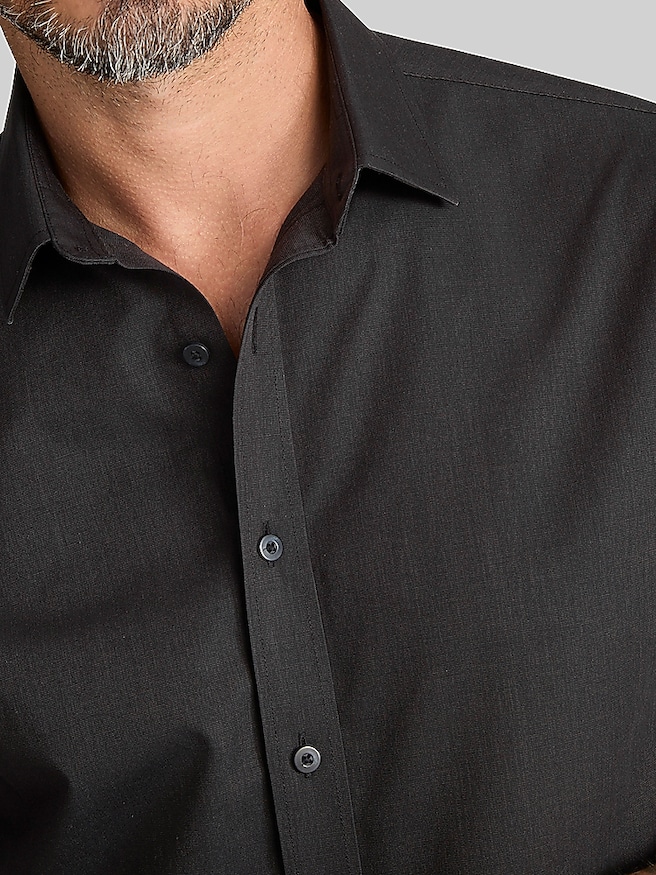
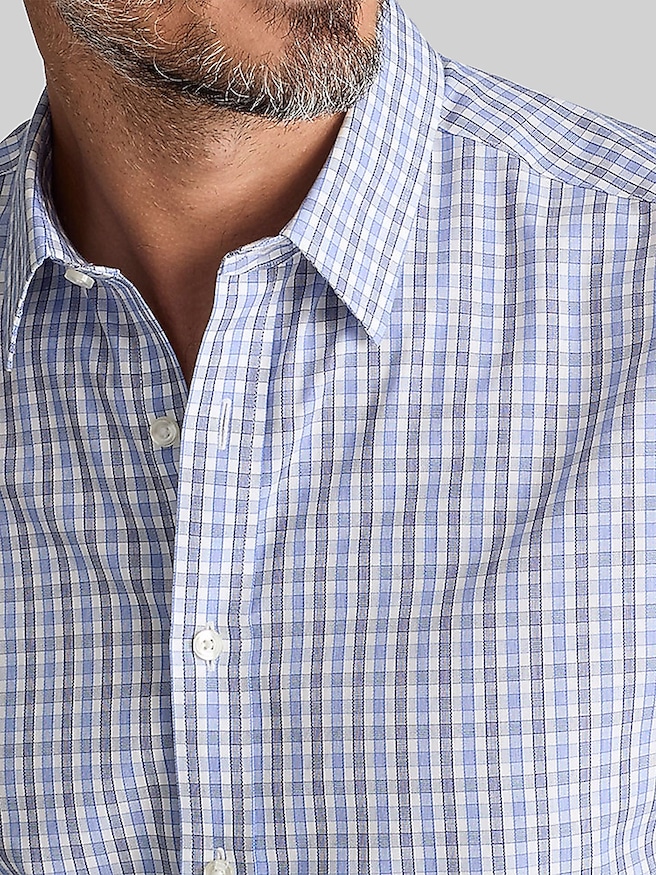
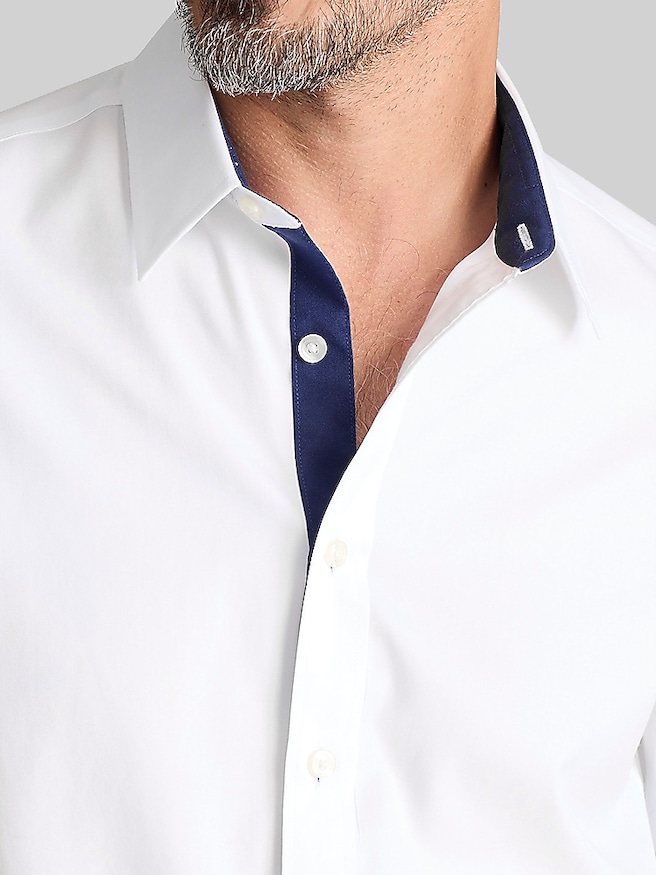
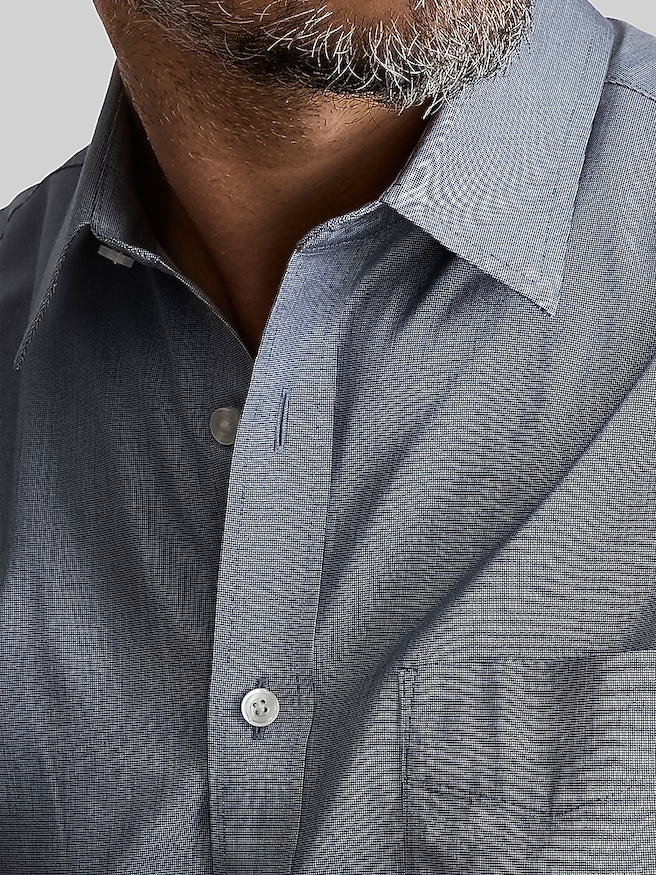
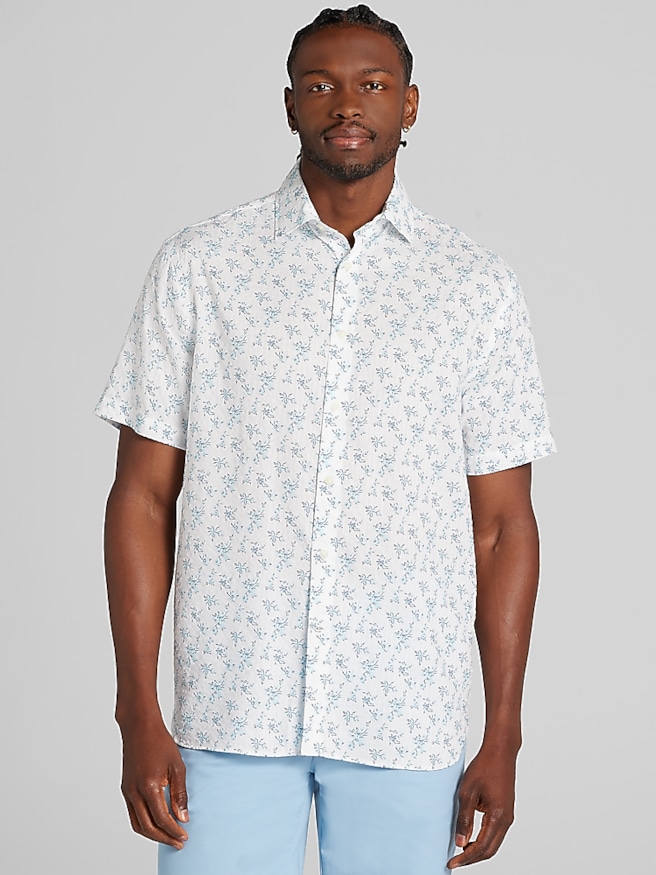
Summer casual shirts are lightweight, easygoing shirts suited to everyday wear in warm weather, including short-sleeve button-front styles, breathable polos, and relaxed long-sleeve options. The best match depends on how a shirt feels against the skin, how freely it moves, and where it will be worn. A crisp cotton shirt can look at home over chino shorts at a backyard gathering, while a softly textured linen shirt feels natural with lightweight trousers at an outdoor dinner. Fabric makes a noticeable difference. Linen allows airflow and absorbs moisture, with a characteristic rumpled finish that belongs to its relaxed appearance rather than signaling poor care. Linen blends can soften that texture or change how the fabric drapes, although wrinkle resistance depends on the full fiber blend and construction. Cotton poplin has a smooth surface and a relatively crisp feel, making it a useful choice for casual shirts that still look tidy. Seersucker has a puckered texture that holds portions of the fabric away from the skin, helping create space for air to circulate. Lightweight Oxford cloth offers a more substantial texture, but fabric weight matters: not every Oxford shirt will feel equally comfortable in summer heat. Knit shirts, including polos, bring a softer drape and natural flexibility, with open piqué textures feeling distinct from smoother jersey knits. Some synthetic blends incorporate stretch or moisture-management features, but those qualities should be confirmed in the fabric description rather than assumed from appearance. Breathability also depends on the openness of the weave and the room inside the shirt, not simply the fiber name. For a long afternoon outdoors, a light, loosely woven shirt can feel very different from a dense fabric in the same size. Very lightweight fabrics may also be more translucent, particularly in pale colors, so opacity is worth considering alongside softness and airflow. The goal is a shirt that feels comfortable through sitting, walking, and spending time outside without requiring constant adjustment.
Fit gives summer casual shirts their easy appearance, but relaxed does not have to mean oversized. Shoulder seams generally sit close to the shoulder edge in a conventional fit, while the chest and upper back need enough room for reaching forward without pulling across the buttons. A trim cut follows the torso more closely; a classic or relaxed cut leaves additional space through the body. Neither should feel restrictive when seated at a picnic table or reaching across a patio table. Short sleeves usually look balanced when they finish around the middle of the upper arm, with enough opening to move comfortably rather than grip the arm. Long sleeves offer another way to wear a casual summer shirt, especially when a neatly rolled cuff suits the setting, though ordinary fabric should not be treated as rated sun protection unless it carries that designation. Length matters just as much as width. Shirts intended to stay untucked generally have a shorter hem, while longer shirttails help a tucked shirt remain in place. For shoppers who typically wear a smaller size, Small Casual Shirts provides a size-focused starting point, with shoulder width, sleeve length, and body proportions still worth checking against individual measurements. Collar shape also changes the mood. An open camp collar creates a laid-back look with shorts or drawstring trousers, while a button-down collar helps maintain a tidy outline under a lightweight jacket. A polo sits comfortably between a T-shirt and a woven shirt, making it useful for a casual lunch or an office with a relaxed dress code. Solid colors are easy to repeat across several outfits, while stripes, small geometric patterns, and botanical prints introduce personality. A patterned shirt often looks most balanced with uncomplicated pants or shorts that pick up one color from the design. Pale blue, white, muted green, and sandy neutrals create an understated palette; deeper shades can give the same casual shapes a more defined evening look. The setting and dress code matter more than any single rule about color or print.
Care and construction help determine whether a summer casual shirt remains a favorite beyond a few outings. Even stitching, secure buttons, neatly finished seams, and a collar that lies smoothly are useful signs of thoughtful construction. Fabric should also suit the way the shirt will be used. A very fine weave may feel wonderfully light for dinner on a covered terrace, while a slightly more substantial cotton can be practical for repeated everyday wear. Stretch can make movement easier, but a comfortable fit should not depend on the fabric being pulled tight. Care labels take priority because similar-looking shirts can have very different washing and drying requirements. When machine washing is permitted, a gentle cycle and appropriate water temperature can help reduce unnecessary wear; excessive dryer heat may contribute to shrinkage or affect stretch fibers. Prompt attention to food, sunscreen, and perspiration marks helps keep summer shirts looking fresh, with any stain treatment checked for compatibility with the fabric. Woven shirts often benefit from being smoothed and hung after washing, while some knits retain their shape better when dried flat as directed. A light press can restore the clean finish of cotton poplin, and linen can be worn with some natural creasing rather than pressed perfectly flat. Storage matters, too: overcrowded hangers crush collars and trap wrinkles, while heavy knit shirts may stretch if left hanging for long periods. For travel, fabrics with texture or subtle patterns can make small packing creases less noticeable, although no material is automatically wrinkle-free. These practical details also make summer casual shirts thoughtful gifts for a dad, partner, friend, or graduate planning a trip. A familiar size, a comfortable cut, and colors that work with the recipient’s existing wardrobe are usually more useful than an unfamiliar silhouette. Whether worn for neighborhood dinners, vacation walks, casual gatherings, or an easygoing workday, a well-chosen shirt brings together breathable fabric, balanced proportions, and care requirements that fit everyday life.