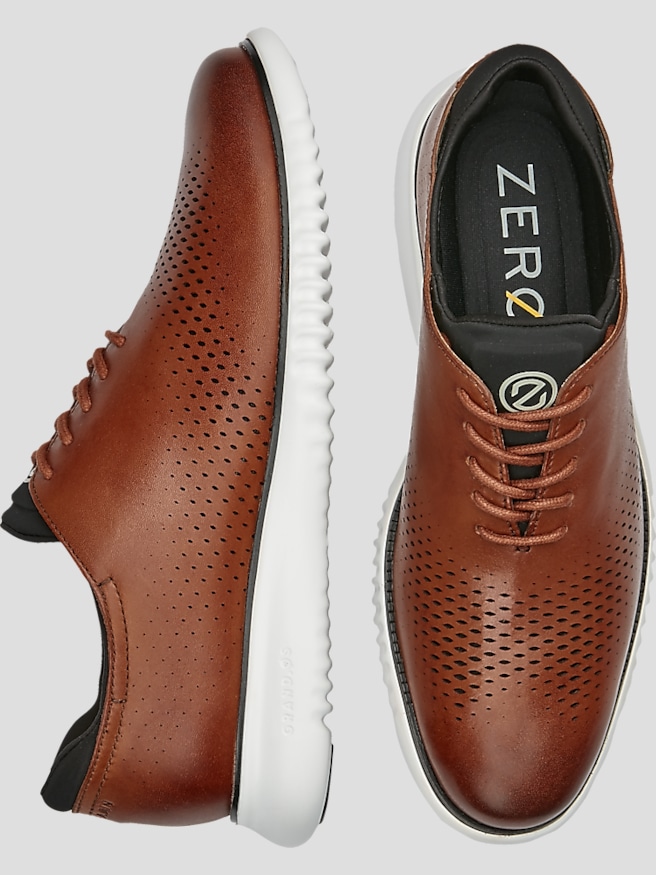
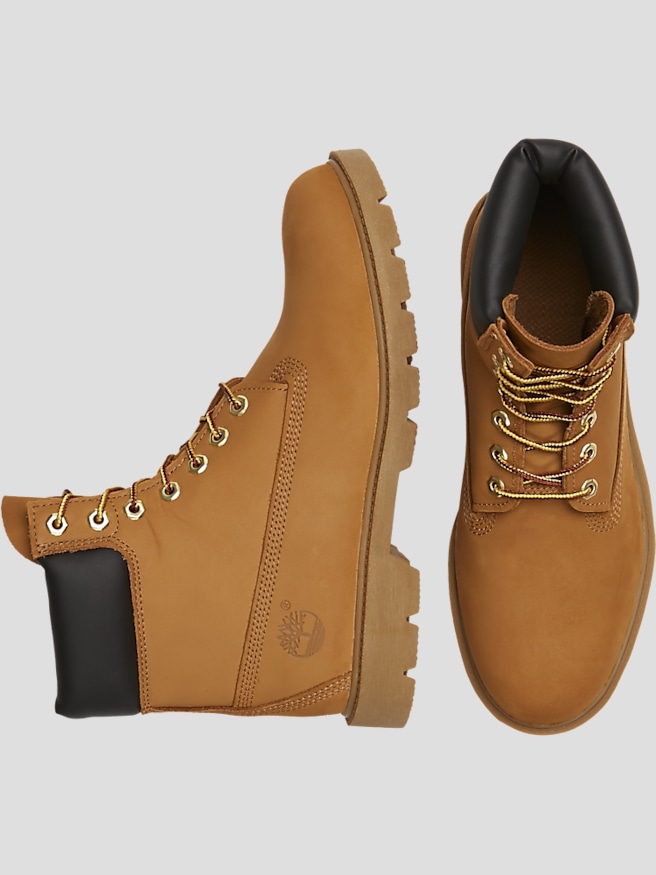
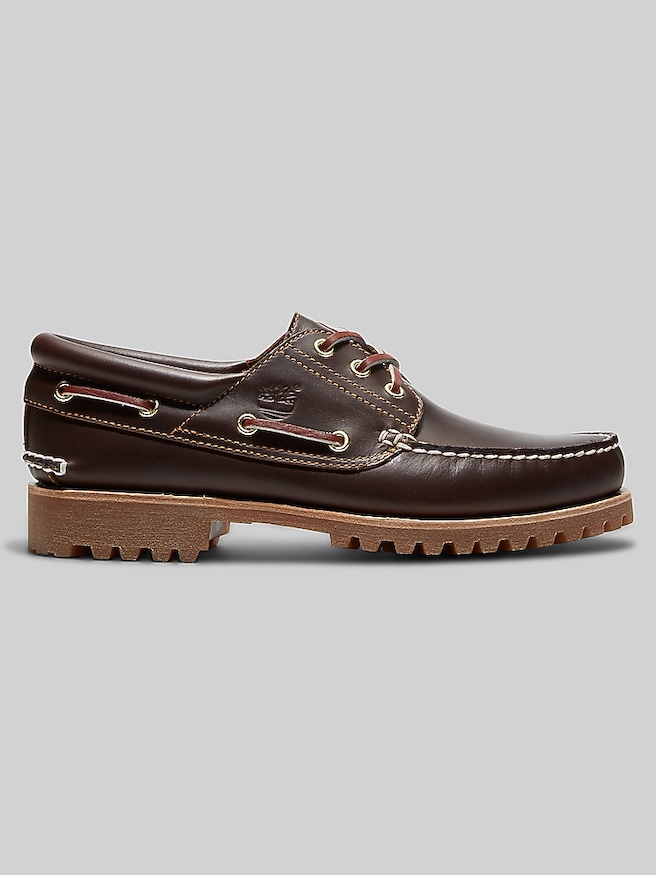
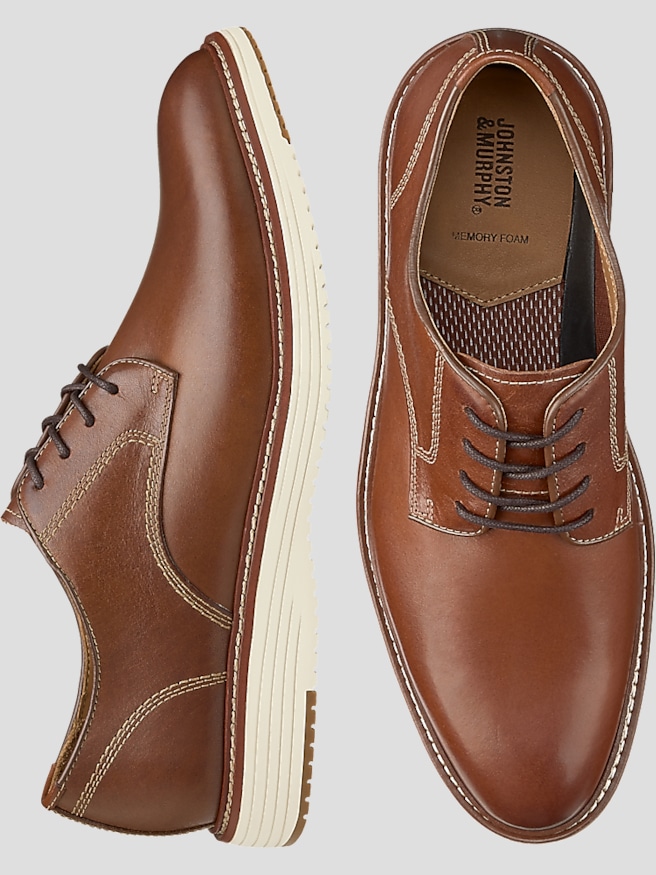
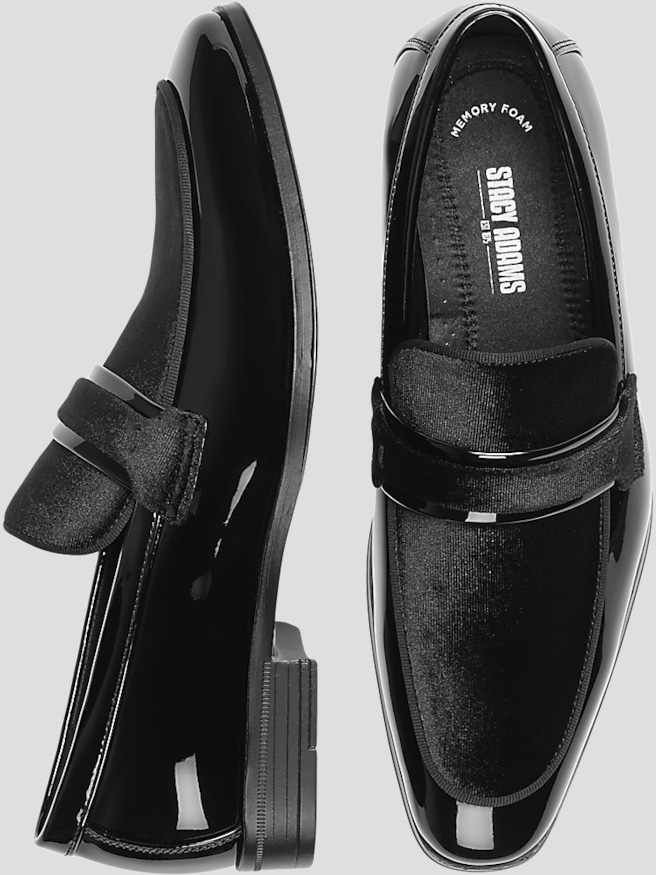
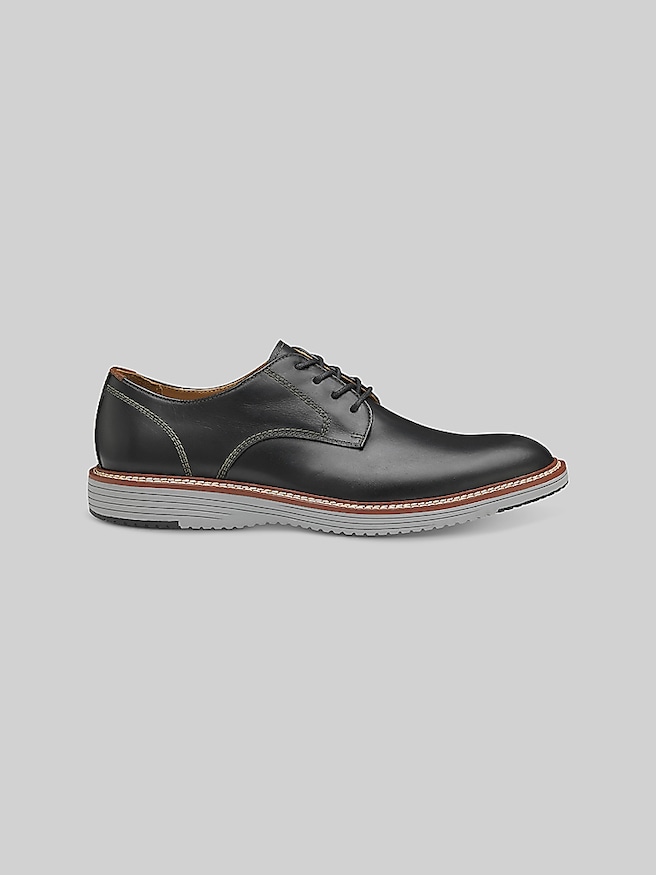
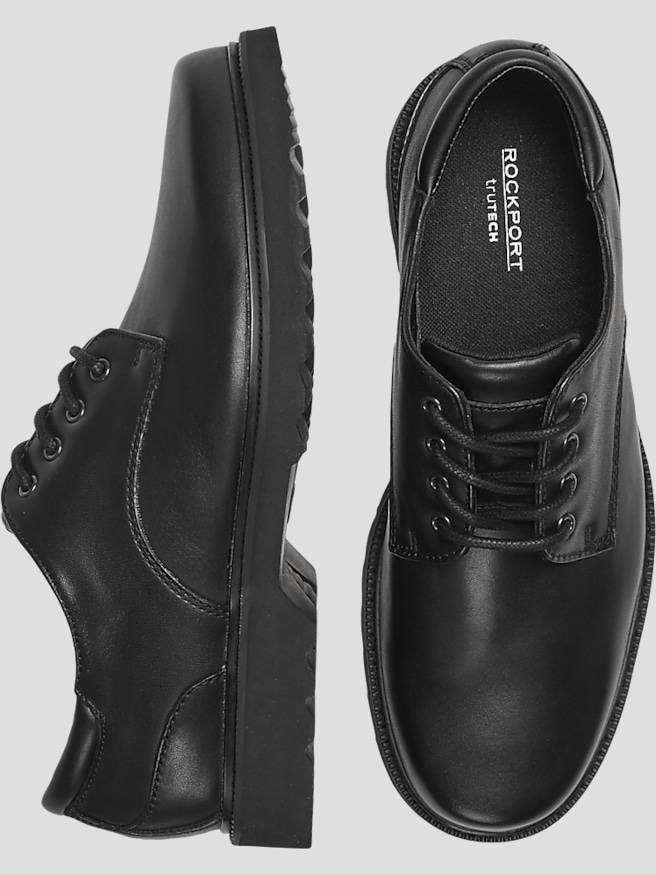
Wedding day shoes complete an outfit in a way that is visible from the first walk down the aisle to the last turn across the dance floor. Their shape, finish, and proportion help establish how formal a suit or tuxedo feels, while their construction influences how comfortably the celebration unfolds. For grooms, wedding party members, parents, and guests, the right pair balances the dress code with the practical demands of standing for portraits, walking between spaces, and spending hours at the reception. A streamlined black Oxford, distinguished by its closed lacing, creates a clean line beneath tailored trousers and suits many formal settings. Glossy patent leather brings a more ceremonial finish to black-tie attire, while carefully polished smooth leather offers a quieter expression of formality. Derby shoes have open lacing that allows more adjustment across the instep, and loafers can complement a less formal wedding outfit when the invitation and venue support that choice. Exploring Men's Wedding Shoes brings these familiar dress footwear traditions into the context of the celebration: the shoes should look considered without competing with the rest of the outfit. Black footwear is a classic companion to black and charcoal tailoring, while brown shades often work well with navy and blue suits where the dress code permits. Dark burgundy can add depth without introducing a sharp visual contrast. Matching leather accessories closely enough to feel cohesive usually matters more than finding an exact color match, although a tuxedo generally calls for its own formal conventions rather than a belt-centered outfit. Toe shape also affects the overall impression. A gently rounded or restrained almond-shaped toe tends to sit naturally beneath tailored trousers, whereas an exaggerated point or bulky profile can draw attention away from the silhouette. Subtle stitching, a plain toe, or a modest cap toe keeps the emphasis on clean proportions, particularly when the outfit already includes a patterned tie, textured jacket, or distinctive boutonniere.
Comfort in wedding footwear starts with fit rather than softness alone. Shoes should hold the heel securely, support the foot through the middle, and leave enough space for toes to move without pressing against the front or sides. A slight amount of leather relaxation may occur with wear, but a tight toe box or insufficient length should not be treated as something that breaking in will fix. Trying shoes with the socks intended for the celebration gives a more useful sense of fit than relying on a quick step across a room. Standing, walking, and turning can reveal pressure over the instep, rubbing at the heel, or sliding that might become distracting during a ceremony. Feet can swell over the course of a long day, so a fit that already feels restrictive deserves particular attention. Cushioned footbeds may help soften repeated steps, while adequate width and a stable heel contribute to comfort during stretches spent greeting guests or posing for photographs. Anyone who uses an orthotic should account for its thickness and the space it occupies inside the shoe; not every dress shoe has a removable footbed or enough interior depth to accommodate one. Materials matter as well. Smooth leather provides a polished appearance and can develop character with careful maintenance. Suede has a softer, more relaxed look that suits some wedding settings, though its surface requires care suited to the material. Patent finishes deliver shine without conventional polishing, but they need gentle cleaning to preserve that finish. Sole construction influences both feel and intended use. Leather soles offer a traditional dress profile, while rubber soles or discreet rubber inserts may provide useful traction, depending on their tread and the walking surface. A ballroom floor, stone staircase, and gravel path place distinct demands on footwear. Bringing the actual shoes to a trouser fitting also helps establish the hem accurately, since the shoe’s height and shape affect how the fabric falls. Short indoor wear sessions before the celebration can help confirm comfort and reveal issues while there is still time to address them.
The most useful wedding day shoes often have a life beyond the event, making durability and care part of their appeal rather than an afterthought. A versatile shape with restrained detailing can move from a wedding suit to attire for anniversaries, formal dinners, and other milestone gatherings. Quality is not defined by shine alone: even stitching, neatly finished edges, a secure sole attachment, and a lining that feels smooth against the foot all contribute to a well-made impression. Some stitched constructions can be resoled by a qualified shoe repair professional, although repair options depend on the particular construction and the condition of the uppers. Regular care helps preserve both appearance and usefulness. Dust and surface dirt should be removed gently after wear, with a soft brush or cloth appropriate for the finish. Smooth leather may benefit from suitable conditioner and polish used according to the footwear’s care instructions, while suede generally calls for a dedicated brush and products formulated for its nap. Patent leather should be cleaned with methods appropriate to its coating rather than treated like uncoated leather. Allowing shoes to air out between wears and using properly sized shoe trees can help maintain their shape. Packing them in separate protective bags also keeps polished uppers from rubbing against soles or other belongings on the trip to the venue. For the celebration itself, a coordinated second pair can make sense when the reception has a more relaxed dress code, but that pair should be tested for comfort too. Changing shoes should ease the transition to dancing, not introduce an unfamiliar fit halfway through the evening. Footwear can also make a thoughtful wedding gift when the recipient’s size, width, and style preferences are known, especially if the choice is made together. Whether worn by the person exchanging vows or someone there to celebrate, wedding shoes work best when they feel like a natural part of the outfit: polished enough for the occasion, comfortable enough for its full schedule, and useful long after the photographs are framed.