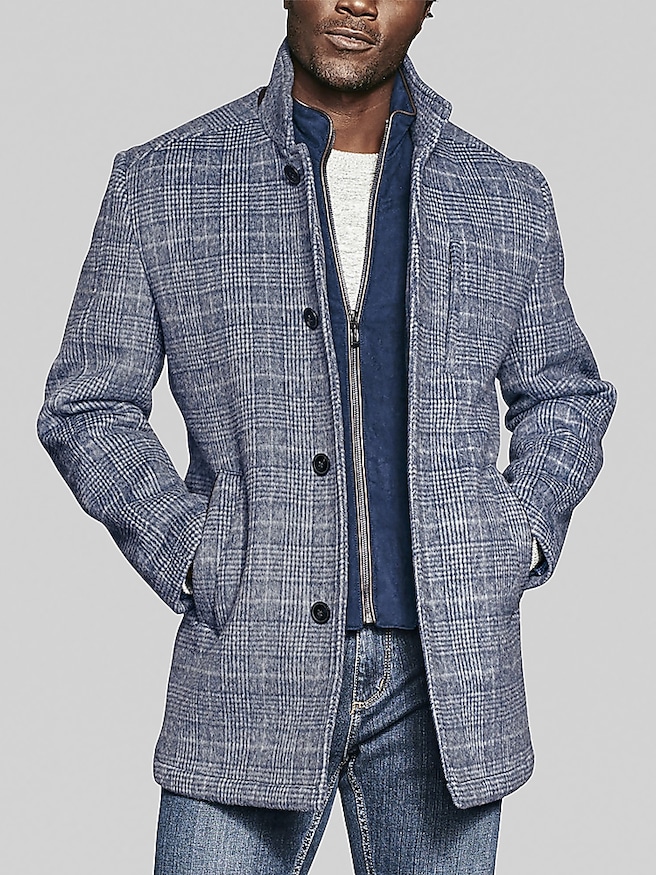
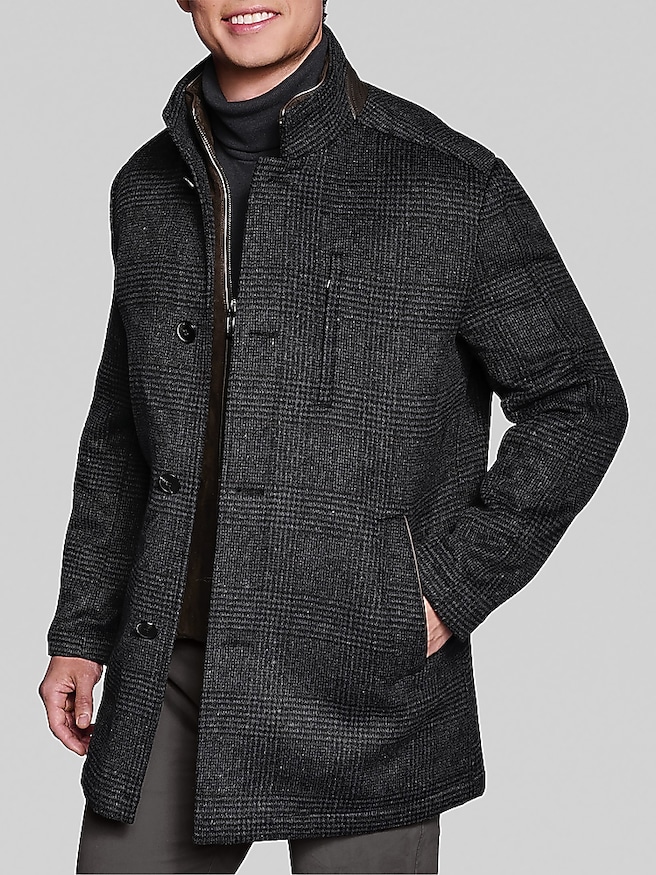
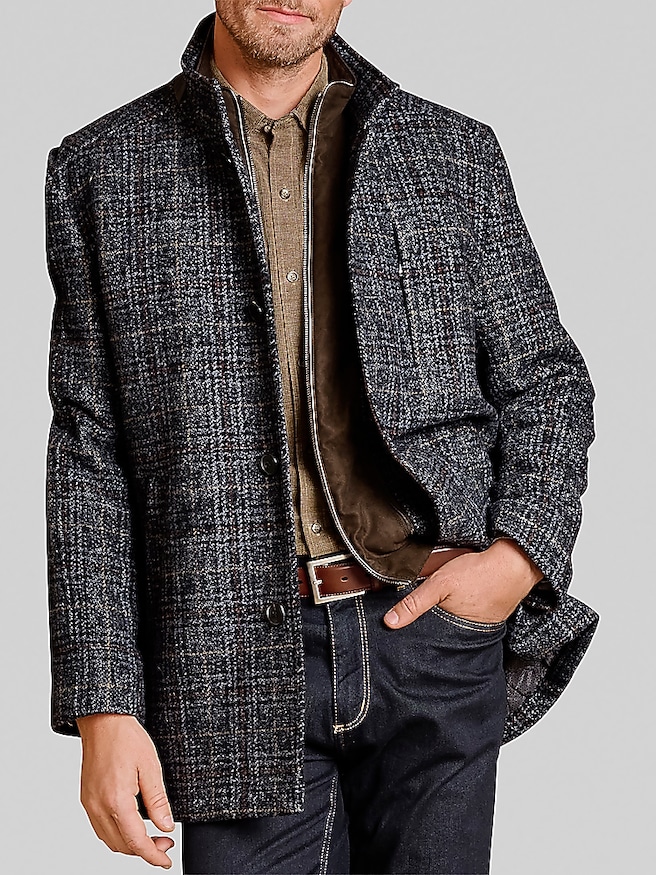
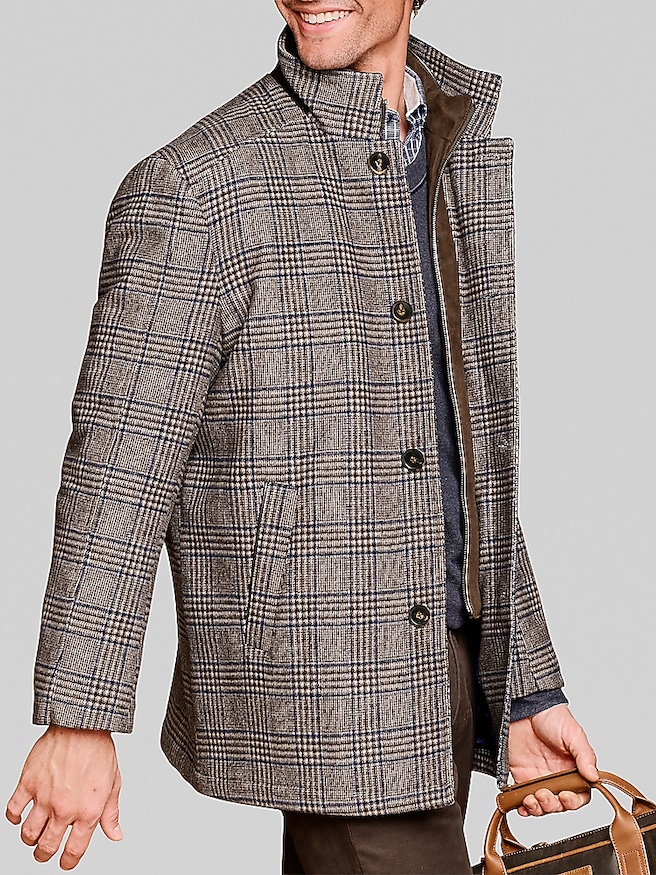
Warm outerwear for men provides the dependable final layer between everyday clothing and the colder conditions that arrive during the cooler months. The right jacket or coat can make a morning commute more comfortable, keep a weekend walk enjoyable, and add practical protection when wind, rain, sleet, or light snow moves in. As you compare options, start with the climate and the way the garment will be used. Someone spending long stretches outdoors may benefit from a longer coat with fuller coverage, an insulated hood, storm flaps, and secure pockets, while a man who moves between a car, the office, and indoor appointments may prefer a lighter layer that is easy to carry and comfortable throughout the day. A well-chosen outer layer should leave enough room for a sweater or sport shirt underneath without looking oversized. Check the shoulder fit first, then make sure the sleeves reach the wrist when the arms are extended and the hem provides the amount of coverage you prefer. Features such as adjustable cuffs, a drawcord waist, a high collar, and a two-way zipper can make a noticeable difference when the temperature drops. Neutral shades tend to work with the broadest range of wardrobes, pairing naturally with denim, chinos, tailored trousers, and casual footwear. Richer seasonal colors can bring personality to a simple outfit while still feeling polished. For additional cold-weather options, browse Men's Warm Coats for layers designed to bring comfort and coverage to daily dressing.
Insulation is one of the most important details to consider when choosing warm outerwear. Down insulation is valued for its excellent warmth-to-weight ratio, soft feel, and ability to compress into a smaller space, making it useful for travel, outdoor errands, and layering beneath a shell. It is especially comfortable in dry, cold conditions, though it can lose insulating performance when thoroughly soaked unless it has a water-resistant treatment or a protective outer layer. Synthetic insulation is often a practical choice for damp environments because it continues to retain warmth when exposed to moisture. It also tends to be easy to care for and can offer dependable everyday performance at a more accessible price, although some insulated synthetic styles may feel slightly fuller or heavier. In either case, the outer shell helps determine how well the garment handles the elements. Wind-resistant or windproof fabric keeps cold air from cutting through the insulation, while a water-resistant finish helps shed light rain, melting snow, and occasional splashes. For sustained precipitation, look for construction that offers more complete coverage, such as sealed or reinforced seams, a storm-ready front closure, and a hood that adjusts around the face. Breathability matters as well: a coat that allows excess heat and moisture to escape can feel more comfortable when walking briskly, climbing stairs, or moving through a busy station. Consider the balance between warmth, weight, packability, and coverage rather than choosing based on one feature alone. A lightly insulated jacket may be ideal for transitional weather and layering, while a substantial parka or longer insulated coat is better suited to prolonged exposure, open-air events, and especially cold commutes.
Warm outerwear also makes a thoughtful gift because it combines personal style with a practical benefit that can be enjoyed repeatedly throughout the season. It can suit a college student walking across campus, a professional commuting before sunrise, a traveler preparing for a colder destination, or a family member who spends weekends coaching, attending outdoor games, or working around the house. When selecting outerwear as a gift, think about the recipient’s routine, preferred level of formality, and typical weather rather than focusing only on appearance. A streamlined jacket in a versatile color may fit easily into a work-to-weekend wardrobe, while a roomy hooded style can be more useful for outdoor activities and unpredictable conditions. Details such as interior pockets, fleece-lined hand pockets, a removable hood, and a smooth lining can make a garment feel considered without being flashy. It is also worth reviewing the care instructions before buying; some insulated pieces require special washing or drying methods to preserve loft and shape. Layering remains a helpful approach across the season. On milder days, a warm jacket can be worn over a shirt or lightweight knit, while colder conditions call for a sweater, thermal base layer, scarf, gloves, and a close-fitting hat. This flexibility lets one outer layer serve different parts of the season, from the first crisp mornings through the colder stretches that follow. With attention to insulation, shell performance, fit, coverage, and everyday habits, warm outerwear can deliver lasting comfort while keeping a man’s wardrobe ready for changing conditions.