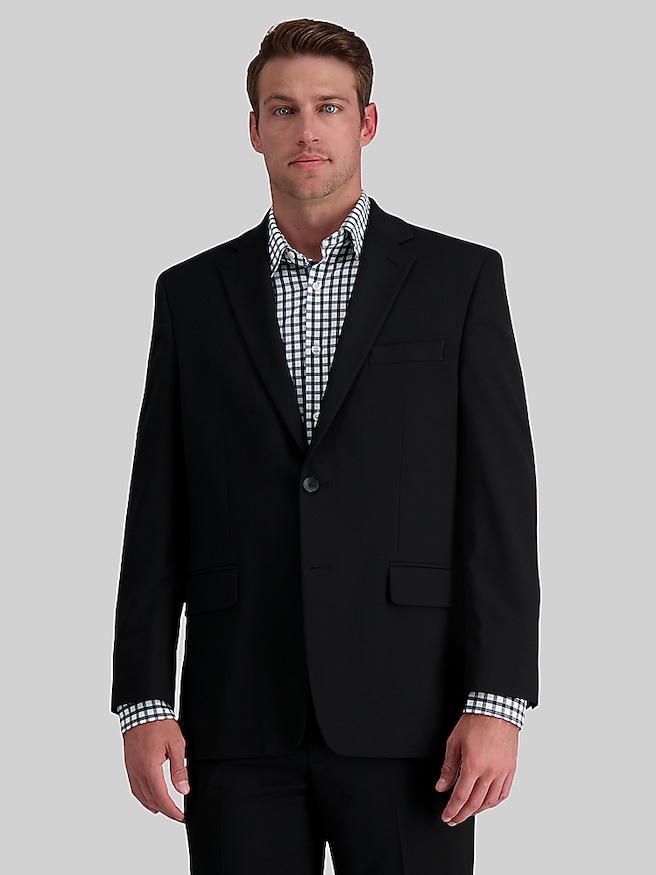
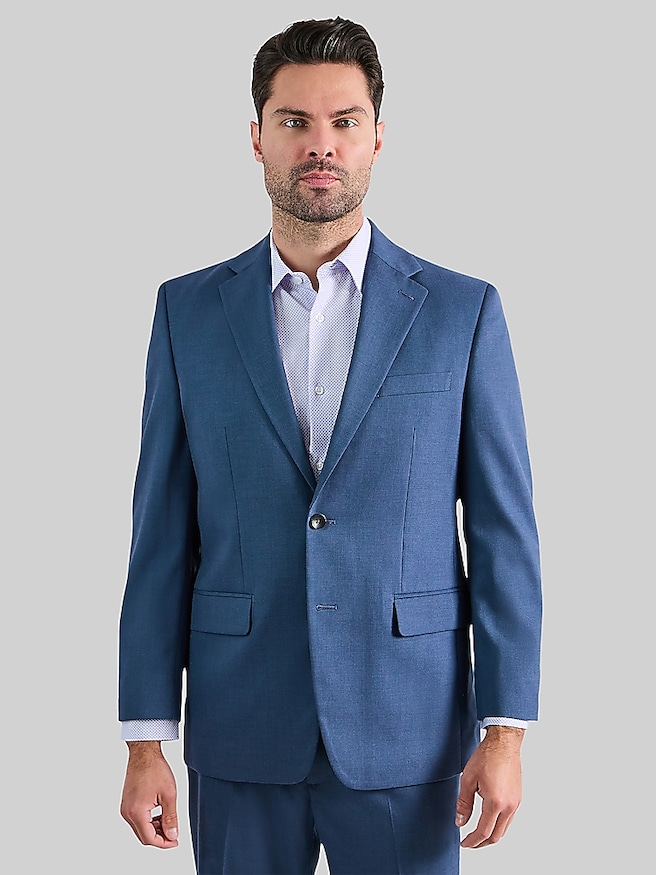
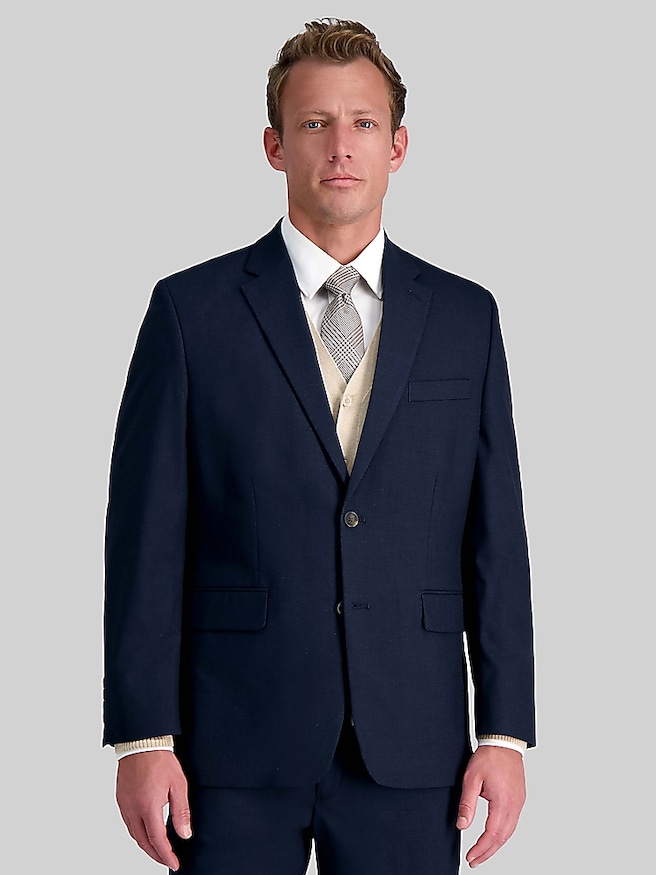
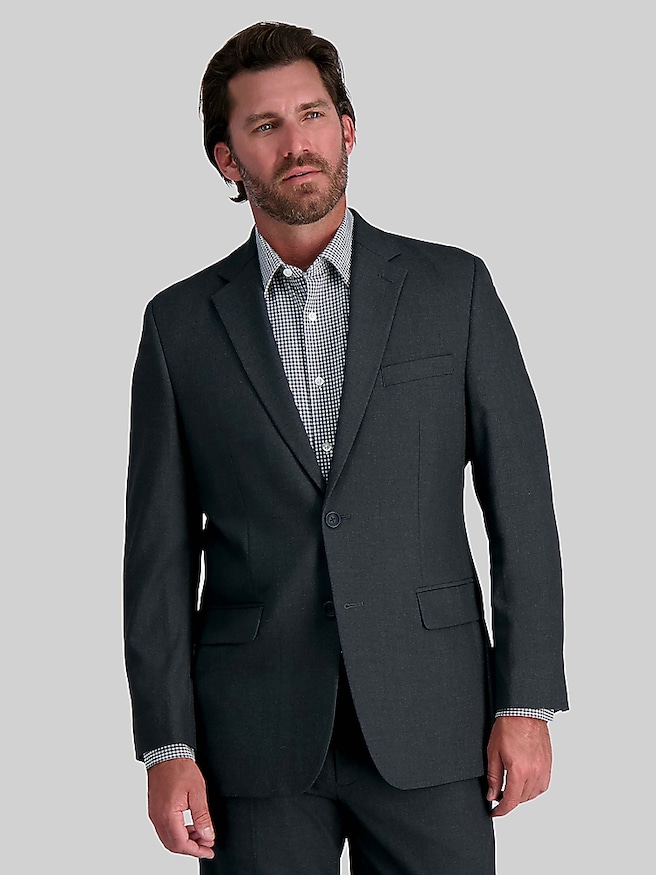
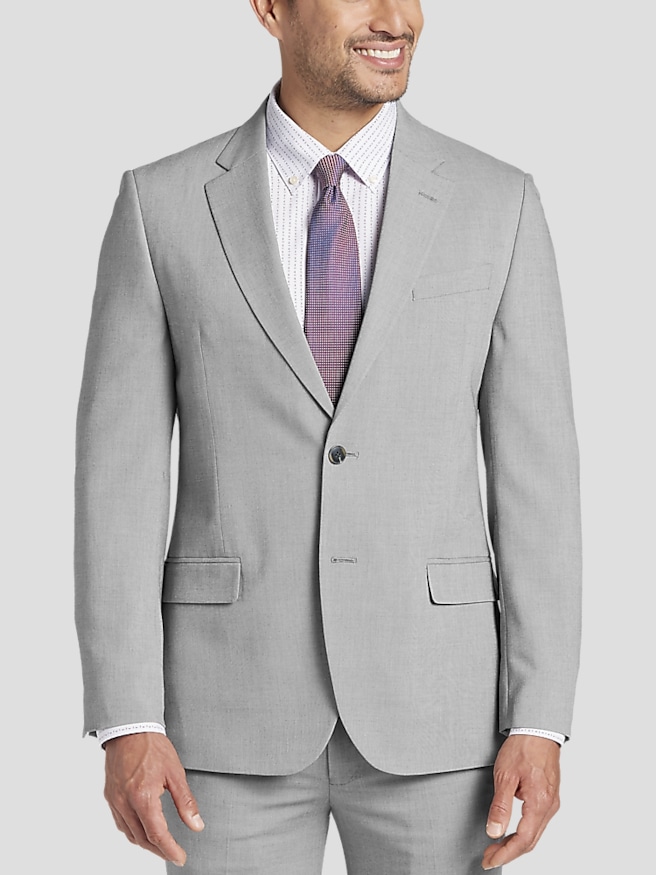
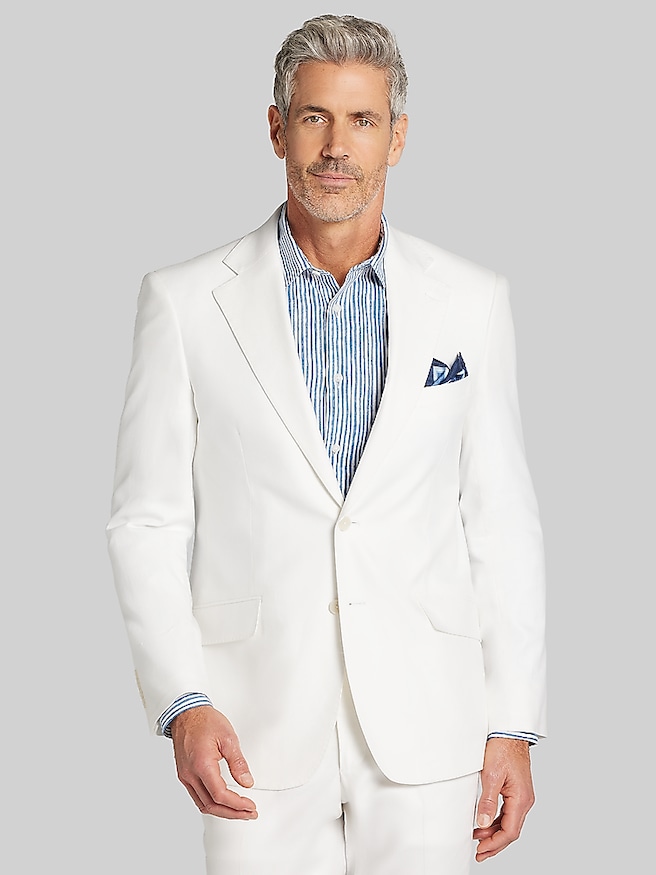
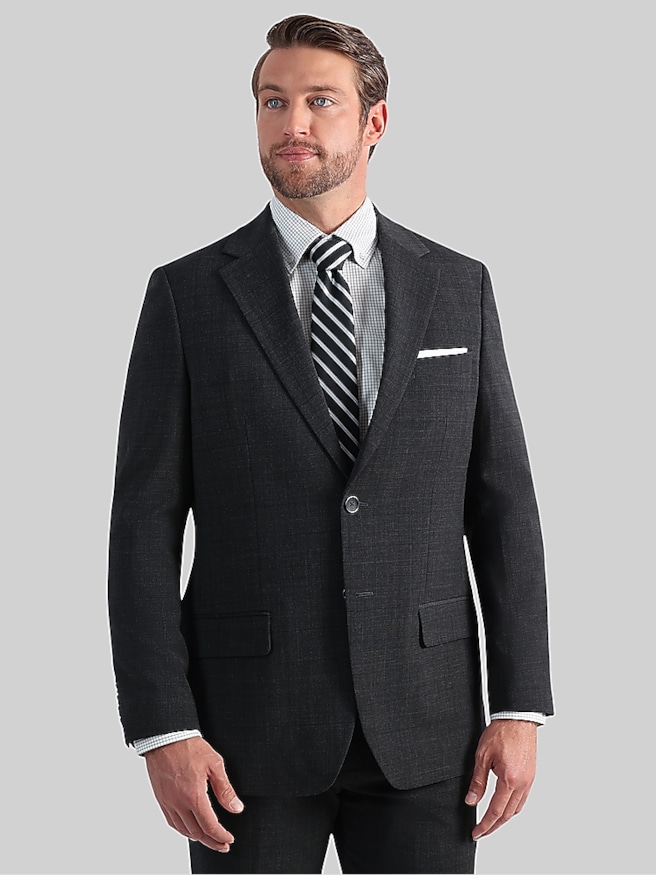
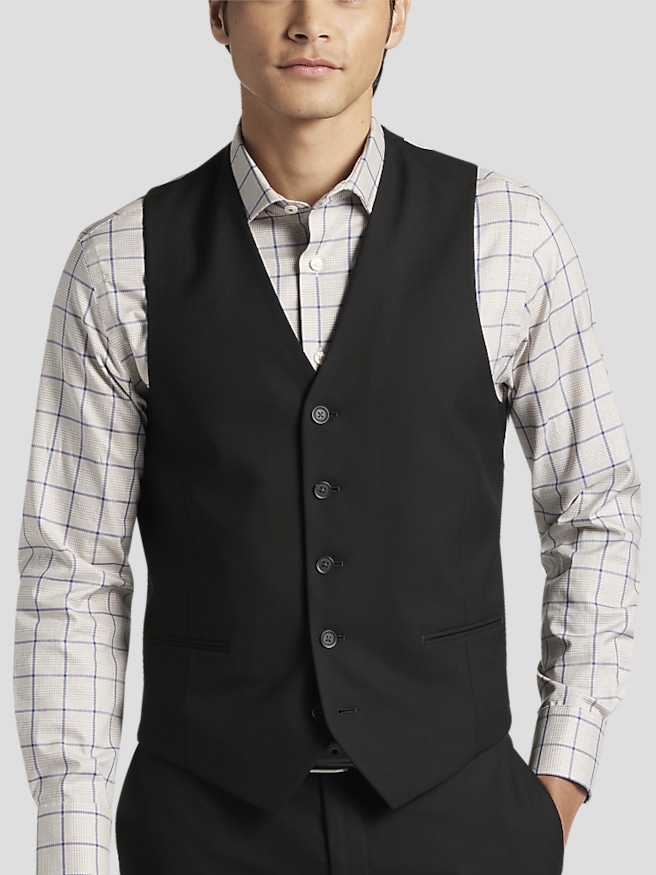
Versatile suits are designed for the many parts of a modern wardrobe, giving you a polished foundation that can move from professional settings to celebrations, dinners, travel, and more relaxed social occasions. A well-chosen suit can be worn as a complete outfit when a refined, coordinated look is needed, then separated into different combinations when the dress code becomes more casual. Solid navy remains one of the most adaptable choices because it works naturally with crisp white shirts, pale blue shirts, subtle stripes, and a wide range of ties. It looks confident in a conference room, appropriate at a wedding, and relaxed enough for dinner when paired with an open-collar shirt and dark brown leather shoes. Charcoal gray offers a slightly more formal impression and pairs especially well with white, blue, burgundy, and soft gray accessories. Medium and lighter shades of gray can bring a brighter, more relaxed feel to daytime gatherings and warmer-weather occasions, while darker tones transition easily into the cooler months and evening events. For maximum flexibility, look for colors that are easy to coordinate and patterns that remain understated. Solid fabrics and fine textures tend to outlast bold checks or prominent stripes in a versatile wardrobe because they leave room for more variety in shirts, ties, pocket squares, and shoes. A subtle weave or barely visible pattern can add depth without limiting the ways the suit can be worn. Whether you are building a first professional wardrobe, refreshing your event attire, or looking for dependable clothing that earns its place in regular rotation, versatile suits make it easier to dress with confidence without feeling overdressed or out of place.
The fabric, construction, and fit all play an important part in how often a suit can be worn. An all-season wool fabric is a practical choice for many climates because it can breathe when the weather warms while offering comfortable insulation during cooler months. Midweight materials are particularly useful for people who attend events throughout the year or need one dependable option for work and travel. A jacket with a two-button front, notched lapels, and double vents offers a balanced appearance that feels current without being tied to a passing trend. Other details matter as well: a clean shoulder line, a jacket that closes comfortably without pulling, and trousers that sit securely at the waist will help the entire outfit look intentional. The sleeves should allow a small amount of shirt cuff to show, while the trouser hem should rest neatly over the shoe rather than pooling at the ankle. Because fit varies from person to person, tailoring can make a meaningful difference, especially at the sleeves, trouser hem, and jacket waist. It is also useful to consider how the suit will be worn outside of formal appointments. A jacket that coordinates with separate trousers can become a smart-casual layer over a knit polo or fine-gauge sweater, while the suit trousers may work with a tucked-in shirt and leather belt for a simpler office outfit. Dark brown shoes generally create a slightly more relaxed, versatile combination with navy and gray, while black leather shoes provide a sharper, more formal finish for business meetings, ceremonies, and solemn occasions. Matching the belt to the shoes, keeping accessories proportional, and choosing a shirt that complements rather than competes with the suit can turn one foundation into several distinct looks. Those shopping for a dependable office wardrobe may also find useful options in Work Suits, particularly when regular meetings, presentations, interviews, or customer-facing responsibilities call for consistent polish.
Versatile suits can serve a wide range of people and occasions, making them a thoughtful choice for someone starting a new job, preparing for interviews, attending a wedding, or expanding a wardrobe beyond casual clothing. They can also be a practical gift for a graduate, a son or partner building his first formal collection, or anyone whose schedule includes occasions with changing dress expectations. Since a suit is a personal purchase, the best gift approach is often to consider the recipient’s measurements, preferred colors, typical work environment, and upcoming events before selecting a style. A timeless color and adaptable cut can make the gift easier to wear, while room in the budget for alterations helps ensure the finished fit feels personal. For weddings and other celebrations, a navy, charcoal, or medium gray suit can be styled with a lighter shirt, a patterned tie, and a pocket square that picks up one color from the event. For work, the same suit can be made more formal with a white shirt and black shoes or softened with a blue shirt and brown leather footwear. During the warmer part of the year, breathable fabrics, lighter shirts, and unstructured styling can keep the look comfortable at outdoor gatherings and daytime ceremonies; as temperatures drop, the suit can be layered with a merino sweater, textured tie, or tailored overcoat. Travel is another setting where versatility matters: a restrained color palette allows one jacket and trouser combination to support several outfits, while careful hanging and light steaming can help the fabric recover after a journey. With thoughtful coordination and proper care, versatile suits can become the reliable clothing you reach for when the invitation, office, or occasion calls for something polished but not overly specific. They offer the reassurance of a complete look, along with the freedom to adjust the details for the setting, season, and personality of the wearer.