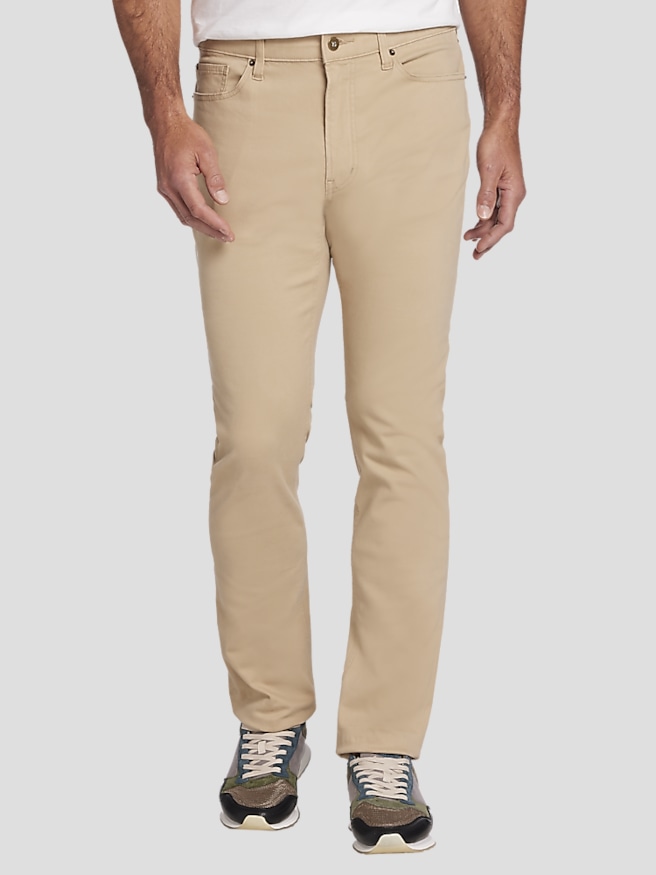
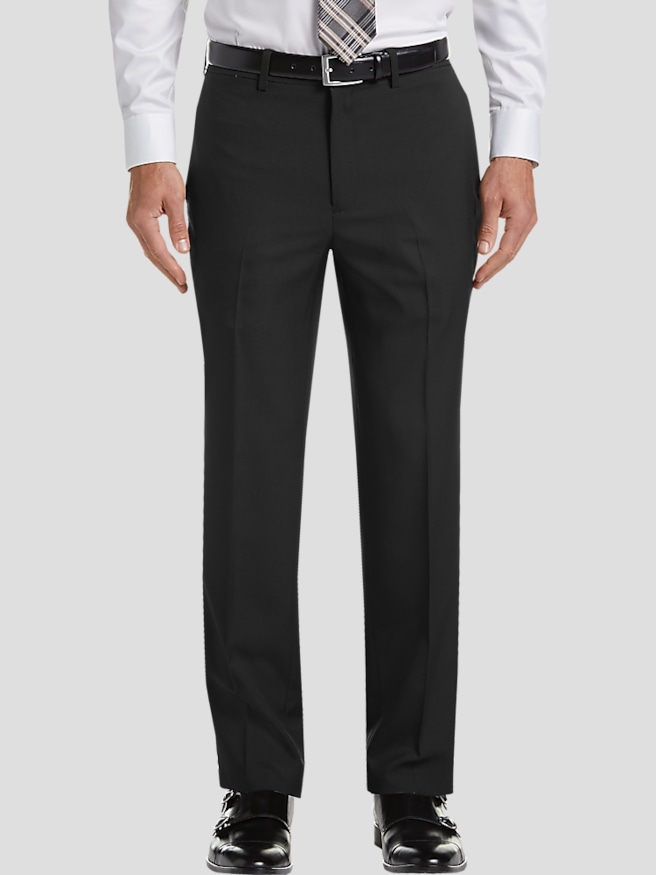
Underwear for college students needs to feel comfortable through a schedule that rarely stays in one place: a morning lecture, a walk across campus, an afternoon shift, and a few hours at a library desk. As the layer closest to the skin, it affects how jeans, chinos, athletic shorts, and dress pants feel throughout the day. Useful qualities include a soft fabric surface, dependable support, seams that sit smoothly, and a waistband that stays in place without digging in while seated. Boxer briefs offer coverage through the upper thigh and a close fit that works under many everyday pants. Their longer legs can help limit skin rubbing during extended walks, although the effect depends on fit, fabric, and construction. Trunks have a shorter leg and a streamlined shape that may suit students who prefer less fabric beneath slim pants or shorter shorts. Briefs provide support without fabric extending down the thigh, while relaxed boxers allow more room under loose clothing and can be comfortable for downtime in a residence hall. None of these shapes is automatically the best choice for every body or activity. A student who spends hours sitting in a studio may value a smooth waistband and minimal seam pressure, while someone moving between classes and a recreation center may prioritize a secure fit and moisture management. The relationship between underwear and the clothing over it matters, too. Excess fabric can bunch beneath fitted pants, and a leg opening that feels restrictive when standing may become more noticeable on stairs or in a lecture seat. An everyday fit should allow normal movement without repeated adjustments. As a foundation for College Daily Wear, underwear is most useful when it quietly supports the rest of an outfit, whether that means relaxed weekend clothing, campus work attire, or a polished look for a class presentation.
Fabric makes a noticeable difference in how underwear feels and functions over a full campus day. Cotton is valued for its soft hand and breathability, making it a familiar choice for everyday wear. Cotton blended with a small amount of elastane or spandex adds stretch, helping the fabric move with the body and recover its shape after sitting, bending, or walking. Modal and lyocell blends can offer a smooth, supple feel beneath clothing, though their care needs and durability depend on the complete fabric blend and construction. Polyester or nylon blends are common in performance underwear because they can support quicker drying and moisture movement, particularly when the fabric is designed for those purposes. Fiber content alone does not guarantee moisture-wicking performance; knit structure, fabric weight, and finishes also influence the result. For a student heading from a workout to another campus commitment, underwear designed to manage perspiration can be a practical option, along with a fresh pair after exercise. For long study sessions or everyday errands, a soft cotton-rich blend may be a comfortable preference. Construction details deserve equal attention. Flat, neatly finished seams can reduce bulk against the skin, and a supportive front shape should provide room without excessive compression. A broad, flexible waistband may distribute pressure more comfortably than a narrow, rigid one, but its feel still depends on sizing and individual preference. Leg length is another practical distinction: additional thigh coverage may stay more securely beneath jeans, while shorter cuts can reduce fabric under tailored clothing. Size charts are more useful than assuming the same letter size fits identically across every cut. Underwear that leaves persistent pressure marks, rolls at the waist, or pulls tightly across the seat may need a size or shape adjustment. A loose fit that shifts and gathers can be just as distracting. The goal is gentle, consistent contact rather than tightness, with enough stretch and room to sit through an exam or climb several flights of stairs comfortably.
College laundry routines put everyday basics through repeated wear, washing, drying, and trips between a room and a shared laundry space. Easy-care underwear fits that routine best when its care requirements match the equipment and time a student actually has. The care label remains the most reliable source for wash settings, drying methods, and any restrictions on bleach or fabric treatments. Cotton can shrink under some washing and drying conditions, and stretch fibers may lose resilience with repeated exposure to excessive dryer heat. Lower-heat drying or air-drying, when consistent with the label, can help protect elasticity and fabric shape. Moisture-wicking materials may also have instructions against fabric softener because residue can interfere with their performance. Separating underwear from exposed zippers, rough fasteners, and heavily abrasive fabrics can help reduce snagging and unnecessary wear in a crowded load. Durable construction shows up in secure stitching, well-finished edges, and a waistband that returns to shape rather than staying stretched out. No fabric stays new indefinitely, and thinning areas, failed seams, or elastic that no longer holds are practical signs that a pair has reached the end of its useful life. A rotation that covers the usual interval between laundry days, plus changes after exercise or other activities, makes clean underwear easier to keep on hand without wearing the same pair again before washing. This matters for students balancing classes with commuting, athletics, part-time work, or weekends away from campus. Underwear can also be a useful gift for a college student when the recipient’s size, preferred coverage, and fabric preferences are already known. Familiar cuts are generally more personal and practical than guessing at a new silhouette, especially for someone settling into a shared living space and managing laundry independently. Whether intended for daily classes, training sessions, lounging, or the occasional interview outfit, well-chosen underwear earns its place through comfort, straightforward care, and a fit that remains dependable from the first class to the last task of the day.