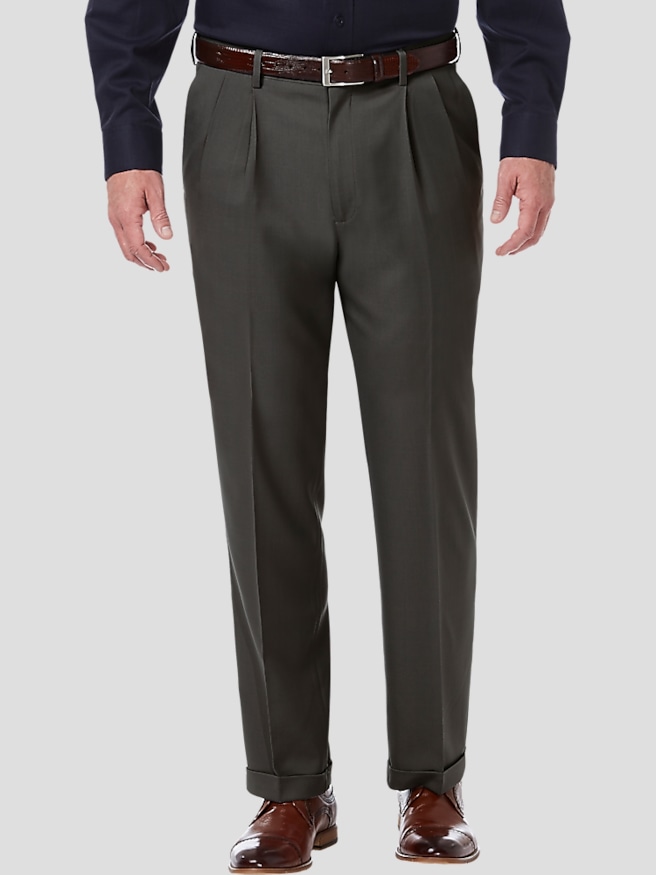
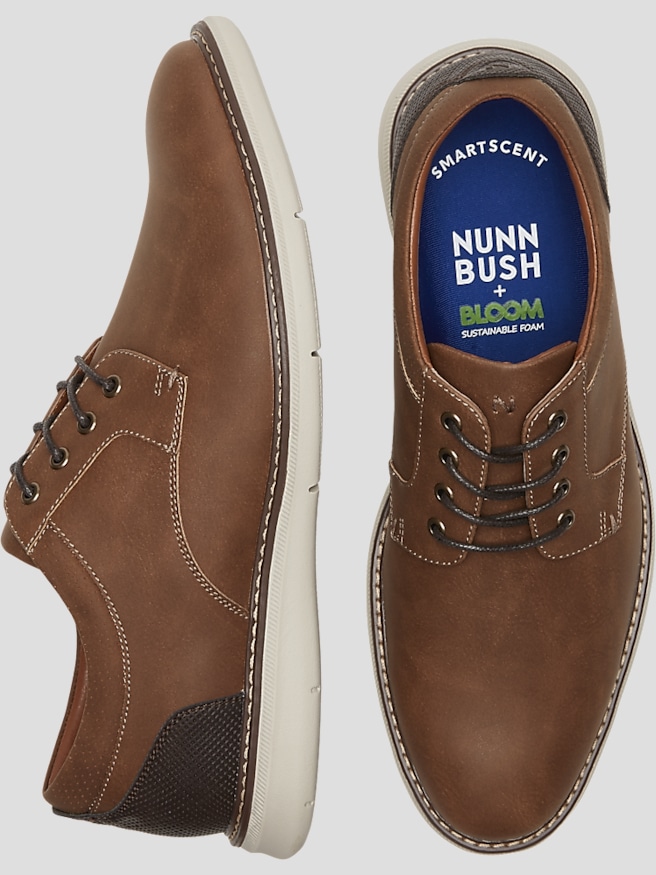
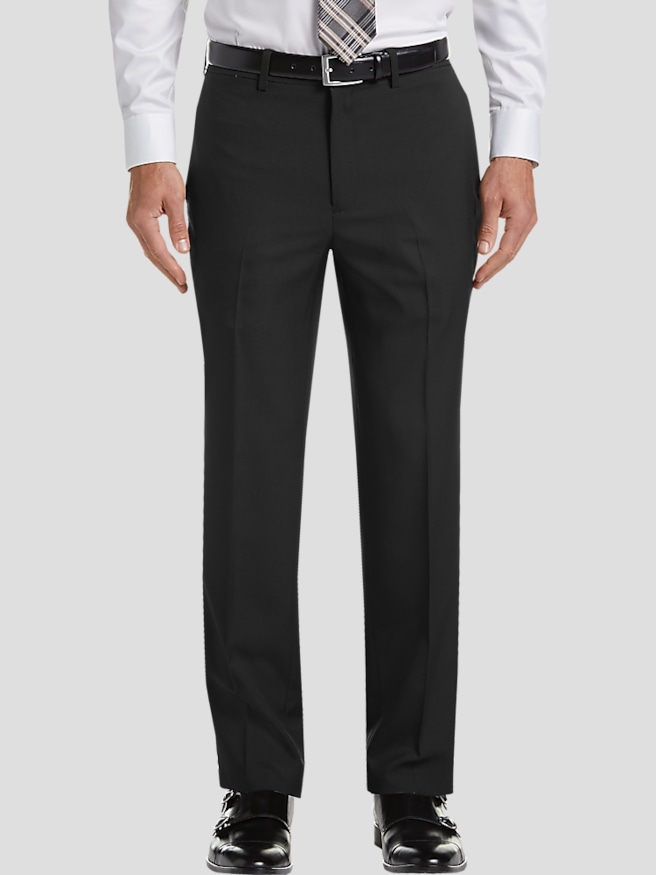
Casual pants for college students balance comfort, durability, and versatility for walking across campus, sitting through classes, studying, and spending time with friends. The most useful pairs feel comfortable through a full day without looking out of place when plans move from a lecture hall to dinner. Chinos, casual five-pocket pants, jeans, and joggers each bring a different balance of structure and ease to a campus wardrobe. Cotton twill has a familiar, substantial feel and a textured weave that works with everything from a plain T-shirt to a button-down shirt. Cotton blends with a small amount of stretch can make stairs, bike rides, and long stretches in a library chair more comfortable, while fabric recovery helps pants maintain their shape after movement. Denim offers a more rugged look, with darker washes generally appearing more polished than heavily faded finishes. Knit pants and joggers favor flexibility and a relaxed feel, especially for study sessions, travel between home and campus, or low-key weekends. Fabric weight and construction matter as much as the category: a soft waistband, smooth pocket bags, and seams that do not rub can make a noticeable difference by the end of a busy day. Breathable fabrics can help during active commutes, while some synthetic blends resist wrinkling and dry faster after washing than comparable all-cotton fabrics. Those benefits depend on the fabric blend and finish, so the fiber content and care label deserve attention. Texture also changes how casual pants look and feel. A smooth woven surface can appear tidy with a collared shirt, while a washed finish often feels more relaxed with sneakers. For students moving between academic buildings, dining halls, club meetings, and a part-time job, pants that combine comfortable movement with a presentable finish can handle more of the day without requiring a change of clothes.
Fit determines whether casual pants remain comfortable beyond the first few minutes of wear. A waistband should sit securely without digging in when seated, and the seat and thighs need enough room for a full stride, bending down to pick up a backpack, or settling into a desk chair. Stretch can support movement, but it cannot fully compensate for a cut that is too tight. Straight-leg pants offer a balanced shape and tend to work with a range of shoes, from canvas sneakers to casual leather footwear. Tapered fits create a narrower line toward the ankle while preserving room higher in the leg, depending on the cut. Relaxed fits provide more space through the seat and thigh, which can appeal to students who prefer an easy silhouette or spend much of the day seated. Rise is another practical detail: the position of the waistband affects comfort, coverage, and how a tucked or untucked shirt sits. Length matters, too. A hem that rests neatly near the top of a shoe can keep the outfit looking intentional, while excess fabric at the ankle may bunch or drag underfoot. Elastic or drawstring waists offer adjustment, while belt loops provide another way to fine-tune the fit of woven pants. Pockets should hold everyday essentials without pulling the fabric noticeably out of shape; a phone that strains a front pocket can be a sign that more room is needed through the hip. Color makes a difference in everyday versatility. Navy, charcoal, olive, tan, and black can coordinate with many common shirt and shoe colors, making repeat outfits feel less repetitive. A pair of clean-lined chinos with a polo can suit a group presentation or a campus organization meeting, while denim with a sweatshirt feels natural for a casual afternoon. More formal interviews and events may call for dressier clothing, so casual pants are best matched to the setting rather than treated as a substitute for every dress code.
Durability becomes especially important when the same few pairs carry much of a student's weekly routine. Repeated sitting, walking, washing, and carrying small essentials put stress on waistbands, pocket openings, seat seams, and hems. Even stitching, secure buttons, smoothly operating zippers, and reinforced high-use areas are useful construction details to consider. A sturdy fabric can hold up well to frequent wear, but heavier does not automatically mean better; comfort, flexibility, and the demands of the day all play a role. Care requirements should fit campus life, particularly when laundry involves shared machines and limited drying space. Machine-washable pants may simplify the routine, but the garment label remains the best source for washing and drying directions. Washing similar colors together, turning dark pants inside out, and treating marks promptly can help preserve their appearance. Excessive dryer heat can contribute to shrinkage and wear on stretch fibers, so recommended heat settings matter. Removing pants promptly after drying and smoothing or hanging them can reduce deep creases, while a quick check of pockets before washing helps protect both the garment and forgotten belongings. Rotating between pairs gives each one time to air out and makes it easier to keep a clean option ready for a packed day. Casual pants are also a practical foundation for College Daily Wear, with simple colors and adaptable shapes making outfit combinations more straightforward. A small rotation can include a more polished woven pair for presentations, a comfortable everyday pair for classes, and a relaxed option for downtime. For a student preparing to leave for college or settling into a new campus routine, casual pants can make a thoughtful gift when the recipient's measurements, preferred rise, and usual fit are known. The strongest choices reflect how that person actually dresses: comfortable enough to reach for repeatedly, durable enough for regular wear, and versatile enough to belong in everyday campus life.