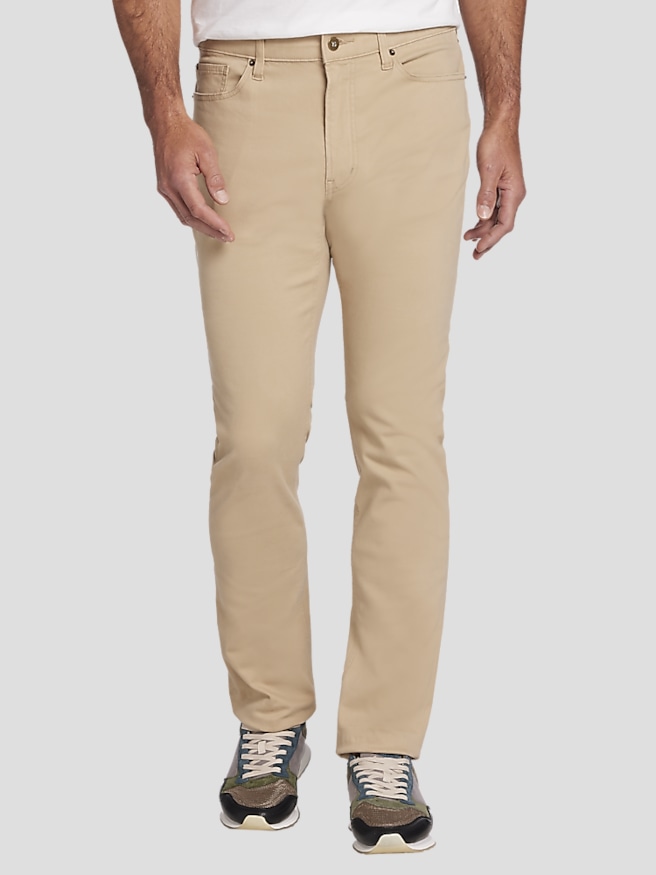
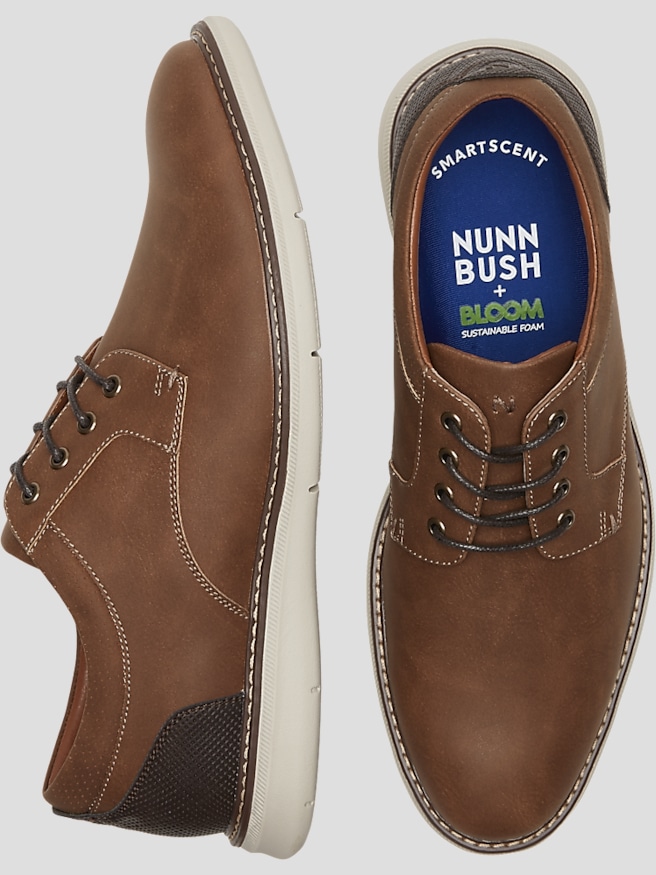
College daily wear centers on comfortable, versatile clothing that works for classes, studying, campus activities, and the plans that follow. A useful everyday wardrobe balances freedom of movement with a put-together appearance, so the same outfit feels appropriate in a lecture hall, at a study group, or over lunch with friends. Casual shirts, T-shirts, polos, jeans, and chinos form the foundation, with easy layers adding variety without making an outfit feel overly dressed. Straight-leg denim offers a familiar, relaxed look, while chinos bring a cleaner finish that suits a classroom presentation or a shift at a campus office. A polo sits comfortably between a basic tee and a button-front shirt, making it a practical choice for days with several different commitments. Neutral shades such as navy, gray, olive, and tan are easy to combine, while subtle stripes, textured fabrics, and an occasional stronger color give everyday outfits personality. The most useful combinations feel intentional without demanding much preparation before an early class. A soft knit shirt with clean-lined pants can look relaxed and neat; a button-front shirt worn open over a simple tee creates a more casual silhouette. Sneakers complement clothes made for walking between buildings, while loafers give similar outfits a slightly more polished character. Clothing also needs to work with the things students carry. A shirt that sits smoothly beneath backpack straps, pants with comfortable pockets, and a layer that folds neatly into a bag all have practical value over a full day. College casual clothing does not need to resemble interview attire, but it benefits from the same attention to proportion and condition. An even hem, a collar that holds its shape, and pants that sit comfortably at the waist help everyday clothes look considered rather than improvised. For students moving between academic work, part-time responsibilities, and social plans, that balance makes a small group of dependable clothes especially useful.
Materials and construction shape how college clothes feel after hours of sitting, walking, and carrying a loaded backpack. Cotton is a familiar choice for its softness and breathability, with the fabric’s weight and weave influencing whether it feels smooth, substantial, crisp, or relaxed. Cotton jersey has the easy drape associated with casual knit shirts, while cotton twill gives many everyday pants their diagonal texture and sturdy feel. Blended fabrics can bring other useful qualities, including improved shape retention or a smoother appearance after laundering, depending on their composition. A small amount of stretch can make bending, climbing stairs, and sitting at a library desk more comfortable, although a good fit remains important regardless of stretch content. Comfortable pants allow room through the seat and thighs without pulling across the front pockets or bunching excessively at the waist. A straight or gently tapered leg can provide a clean outline while leaving space to move. Shirt shoulders should rest naturally, sleeves should allow an easy reach, and the body should feel comfortable both standing and seated. A relaxed fit offers more room, while a closer fit creates a sharper outline; neither should restrict ordinary movement. Fabric thickness also affects how clothes sit together. A substantial tee may look structured on its own, while a smoother, less bulky knit can sit neatly beneath an overshirt. Durability matters because campus clothes often see repeated use in a compact wardrobe. Secure seams, neatly finished edges, stable pocket openings, and fabric that recovers after stretching are useful details to notice. Backpack straps can rub against shoulders, and frequently used pockets receive extra handling, so these areas deserve attention when assessing everyday construction. Denim and twill can provide a sturdy foundation, while softer knits offer a different kind of comfort. A balanced wardrobe makes room for both, giving students options that match the demands of a long study session, an active campus day, or a more polished classroom appearance.
Easy care is another important part of college daily wear, especially when laundry happens in a shared residence hall or between classes and work. Machine-washable clothing can simplify the routine when the care label allows it, but fabric composition, color, and construction still determine the appropriate washing and drying methods. Care labels provide the clearest direction for preserving fit and finish. Excessive heat may affect certain fibers, stretch components, and garment dimensions, while rough handling can contribute to surface wear. Separating colors appropriately, treating marks promptly, and putting clothes away once dry can help familiar favorites stay presentable. Shirts stored without heavy creasing and pants folded along a consistent line are easier to wear again without a lengthy preparation routine. Breathable base layers and well-fitting underwear also contribute to comfort throughout the day, particularly beneath denim, chinos, and closer-fitting shirts. The Underwear for College Students page complements an everyday wardrobe with attention to this less visible foundation. Comfortable waistbands, smooth seams, and a fit that stays in place matter when an outfit needs to feel good from the first lecture through an evening study session. Daily clothing can also make a thoughtful gift for a student starting college, settling into an established routine, or preparing for responsibilities that call for a slightly neater look. Familiar sizes, preferred fits, and existing wardrobe colors are more useful starting points than assumptions about what campus style should be. A student who wears mostly relaxed denim may appreciate similarly easygoing pieces, while someone balancing classes with an office-based campus role may get more use from understated shirts and versatile pants. Limited closet space makes compatibility especially valuable: clothes that work with several familiar outfits earn their place more readily than pieces suited to only one occasion. The lasting appeal of college daily wear comes from that everyday usefulness—comfortable fabrics, reliable construction, manageable care, and a personal style that feels at home across the different parts of student life.