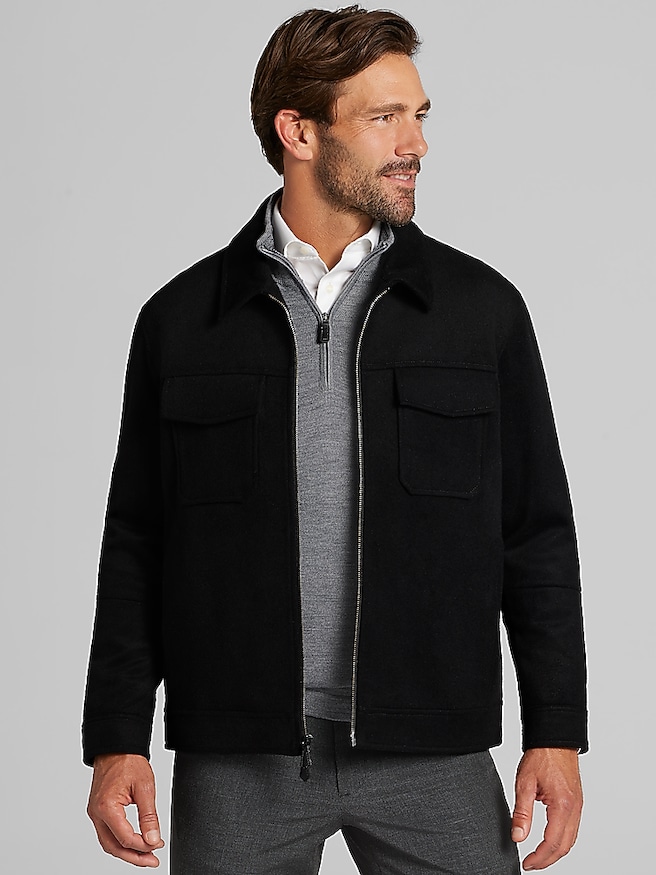
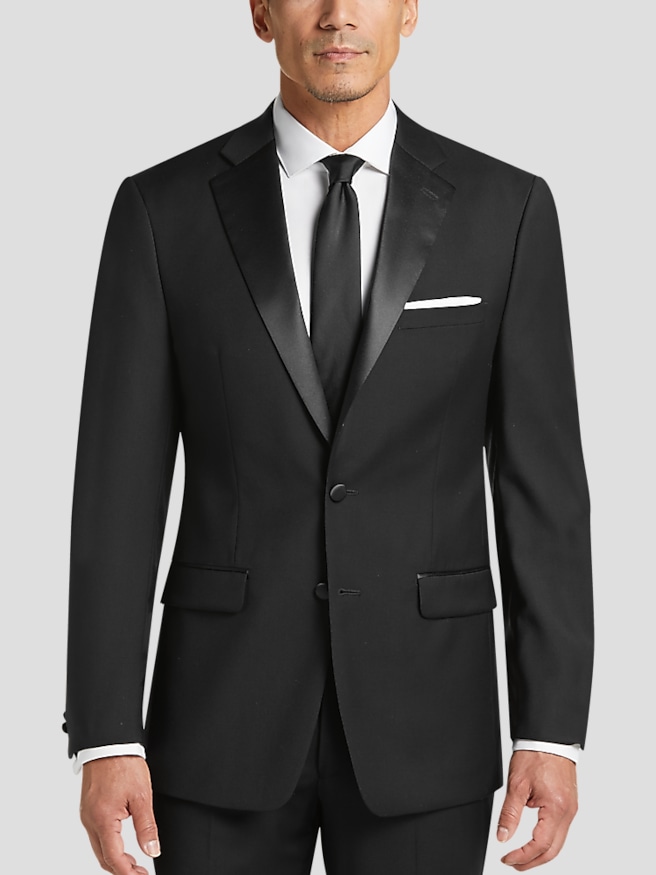
Trendy wool jackets combine the natural texture and insulating qualities of wool with contemporary shapes, from clean-lined blousons and structured overshirts to relaxed shackets with room for layering. Their appeal comes from the balance between polish and ease: a wool jacket can give jeans a more considered finish without making the outfit feel formal. Unlike a suit jacket, which typically belongs to a coordinated tailoring system, a wool outer layer is designed to stand on its own, often with practical pockets, a substantial collar, and a silhouette that works over everyday clothing. The fabric makes a noticeable difference in both appearance and feel. A brushed surface creates a soft, slightly fuzzy finish, while a tightly woven cloth looks smoother and holds a more defined line. Felted wool can have a dense, compact character; tweed introduces visible texture through its yarns and weave. Herringbone adds a subtle directional pattern, and checks bring more visual presence without requiring elaborate styling. Fabric content is a useful starting point when exploring 100 Wool Jackets, since the shell, lining, and trim may have separate compositions. Wool blends can incorporate other fibers to influence strength, softness, stretch, or garment weight, so a higher wool percentage alone does not explain how a jacket will wear. Construction matters just as much. A supple cloth with minimal internal structure will drape differently from a firm fabric supported by a full lining. Wool also absorbs moisture vapor, a property that contributes to comfort, although the complete garment’s breathability depends on its weave, lining, and layers underneath. For someone drawn to understated clothing, charcoal, navy, camel, and deep brown let the material provide much of the interest. Larger checks, pronounced texture, or a boxier cut create a stronger statement. The most wearable interpretation of a trend is often the one that adds a distinct shape or surface to familiar clothes rather than demanding an entirely new wardrobe.
Fit determines whether that texture looks intentional or simply bulky. A tailored wool jacket generally follows the torso without pulling across the chest, while a relaxed jacket leaves more space through the body and sleeves. Neither needs to feel restrictive when reaching forward, sitting down, or carrying a shoulder bag. Shoulder seams offer a useful reference on conventional cuts, but dropped-shoulder designs are meant to extend beyond the natural shoulder line; the overall balance matters more than applying one fit rule to every silhouette. Sleeve length should accommodate the layer beneath without swallowing the hands, and the hem should work with the rise and volume of the pants. A shorter jacket often pairs naturally with mid- or higher-rise trousers, creating a clear waistline and an uncluttered proportion. A longer overshirt can work with straight-leg denim or chinos, especially when the underlying shirt is not competing with several visible hems. Trying the jacket over the kind of knitwear or shirts it will actually accompany gives a more useful impression than judging it over a thin T-shirt alone. For an office with a relaxed dress code, a smooth wool jacket over a fine-gauge sweater and tailored trousers can look composed without the formality of a matching suit. For dinner, dark denim, a solid knit, and leather boots let a textured jacket take the lead. A shacket worn over a plain tee has a more casual character, while a stand collar or restrained zip front can give the same basic outfit a cleaner outline. Details affect practical use as well as appearance: patch pockets feel easygoing, welt pockets look streamlined, and an adjustable cuff can help control sleeve volume. Pocket placement also matters when carrying a phone or keys, since overfilled pockets can distort the front. For commuters, frequent travelers, and anyone moving between a desk and social plans, a versatile cut and comfortable range of motion are often more valuable than an exaggerated silhouette that only works with one outfit.
Lasting appeal depends on how a wool jacket is made and maintained, not just how it looks on a hanger. Even seams, securely attached buttons, smoothly operating zippers, and a lining that does not pull across the back are useful signs to examine. High-friction areas, including cuffs, underarms, and the places where a bag strap rests, deserve attention because repeated rubbing can raise surface fibers or cause pilling. Some pilling can occur even in quality wool fabrics; careful removal with a tool suitable for the material can refresh the surface without aggressive scraping. Routine care should always follow the garment’s label. Many structured wool jackets require professional cleaning, while certain less structured constructions may permit other methods, so wool content alone is not a reliable washing instruction. A soft garment brush can lift loose dust, and airing a jacket in a dry, ventilated space can help freshen it between cleanings. Spills are best blotted gently rather than rubbed into the fibers, with stain treatment guided by the care instructions or a professional cleaner. Direct heat and vigorous wringing can damage wool or alter the garment’s shape. Between wears, a supportive hanger helps a structured jacket keep its shoulders, while enough closet space prevents the fabric from being crushed. Emptying pockets before storage also helps preserve the line of the front panels. For longer storage, a clean, fully dry garment and a breathable cover support better care, along with appropriate protection against clothes moths. These considerations make wool jackets thoughtful gifts for someone who appreciates tactile fabrics, practical layers, or a sharper alternative to a casual sweatshirt. The strongest choice reflects the recipient’s habits: room for knitwear if layering is part of the routine, restrained detailing for frequent office use, or a distinctive weave for someone who enjoys texture. Matching the shoulder shape, preferred length, and usual clothing palette is more personal than simply choosing the boldest design. A well-chosen wool jacket earns its place through comfortable wear, useful construction, and enough character to make everyday combinations feel complete.