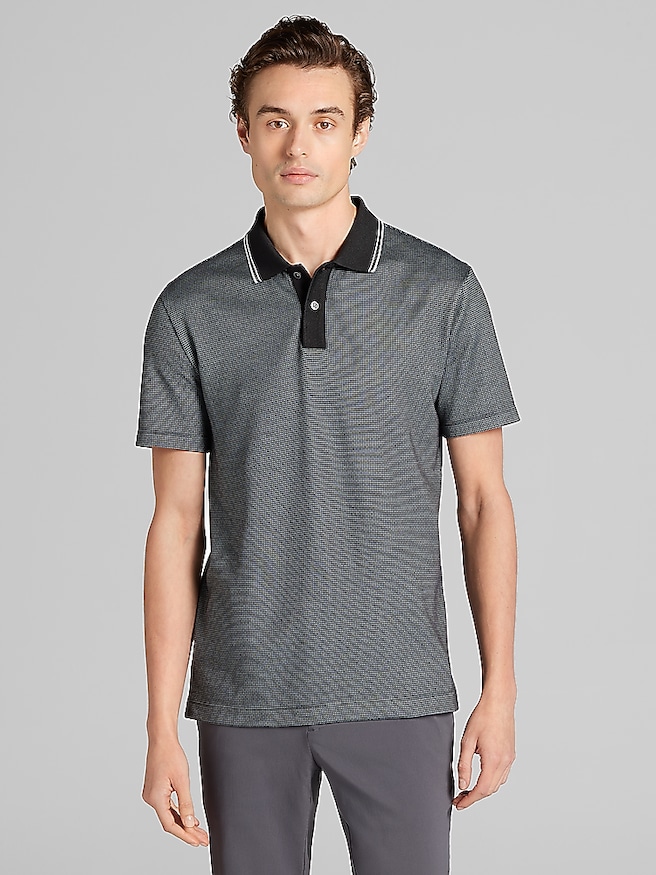
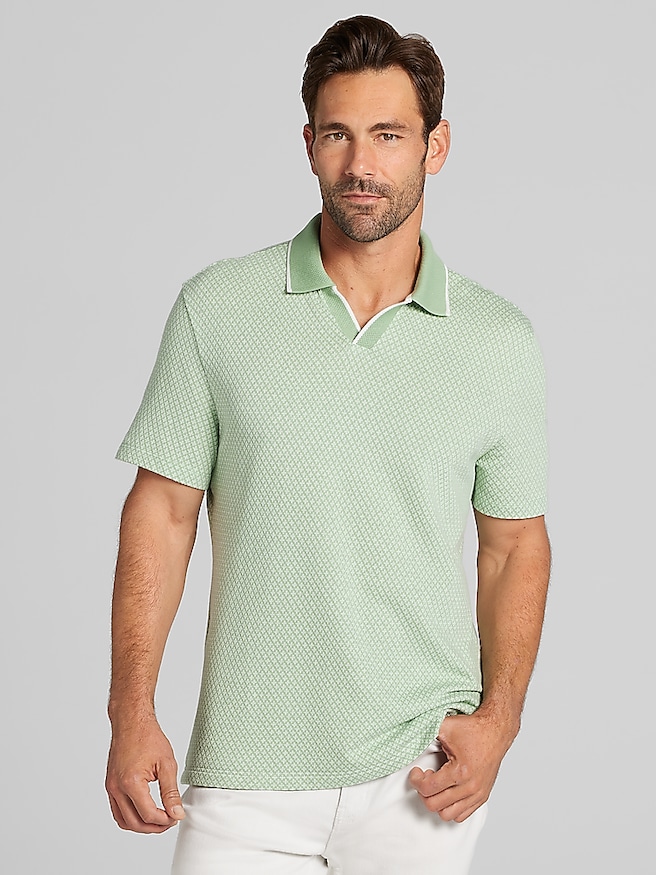
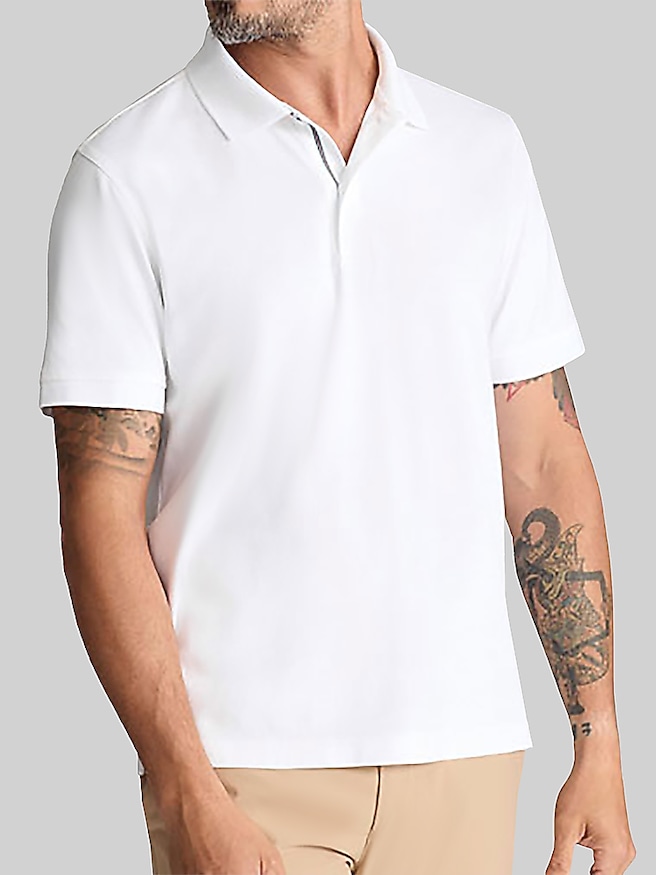
Textured polo shirts bring depth to a familiar shape, combining a soft collar and a short front opening with fabric that has a visible, tactile pattern. Instead of relying on a bold print, they create interest through raised stitches, small geometric repeats, or subtle changes in the surface of the cloth. Piqué has a fine, pebbled appearance; ribbed knits form distinct vertical lines; waffle textures create a recessed grid; and jacquard construction can build intricate patterns directly into the fabric. Each gives a solid color more character without making an outfit feel busy. A fine texture can read almost smooth from across a room, then reveal its detail up close, while a pronounced rib or geometric knit makes the shirt a stronger focal point. That balance puts textured polos comfortably between a basic T-shirt and a button-front shirt: relaxed enough for a weekend lunch, but polished enough for dinner or an office with a casual dress code. The collar provides definition around the face, while the knit body allows a less structured look than a woven dress shirt. Buttoned plackets feel familiar and let the neckline adjust slightly; open-collar designs have a more relaxed finish. Collar shape matters, too. A compact collar keeps the look understated, while a broader collar makes more of a statement beneath a jacket. Color influences how clearly the texture shows. Cream, stone, and other lighter shades often make raised stitching more noticeable, while navy, charcoal, and black tend to give dimensional fabric a quieter appearance. For someone who usually wears plain shirts, a tonal textured polo is an easy way to add variety without introducing a large pattern. It also makes a thoughtful gift for someone who enjoys casual clothing with a little more detail, especially when the recipient’s preferred size, colors, and neckline are known.
The feel of a textured polo depends on its fiber content as much as its stitch pattern. Cotton typically has a soft hand and absorbs moisture, though a dense cotton knit can feel substantial rather than light. Cotton blends may incorporate polyester for resilience or elastane for added stretch; the proportions and construction determine how the finished fabric behaves. Fibers such as viscose can contribute softness and fluid drape, giving a knit polo a less rigid outline. An open stitch can allow more airflow than a tightly packed knit, but visible texture alone does not establish breathability, moisture management, or stretch recovery. Those qualities should be checked in the fabric description rather than assumed from appearance. More open constructions may also reveal an undershirt, so a low-contrast layer with a neckline that stays beneath the placket can keep the overall look clean. Fit should allow the texture to lie naturally. Shoulder seams generally sit near the shoulder edge, and the chest should have enough ease that the front opening rests flat instead of pulling apart. Deep ribs that spread noticeably across the torso can indicate that the shirt is too snug. A close fit can look neat, but it should still allow comfortable movement when sitting at a desk, reaching for a bag, or crossing the arms. A classic fit gives more space through the body, while a tailored fit follows the torso more closely; neither should bunch heavily above the waistband. Sleeve openings should skim the upper arm without pinching or flaring excessively. Length is especially important for a polo worn untucked: a hem that falls around the middle of the fly often looks balanced, though body proportions and trouser rise affect the result. Ribbed hems may draw the shirt inward at the waist, while straight hems with side vents tend to fall more freely. Trying the shirt both seated and standing helps reveal whether that finish feels comfortable.
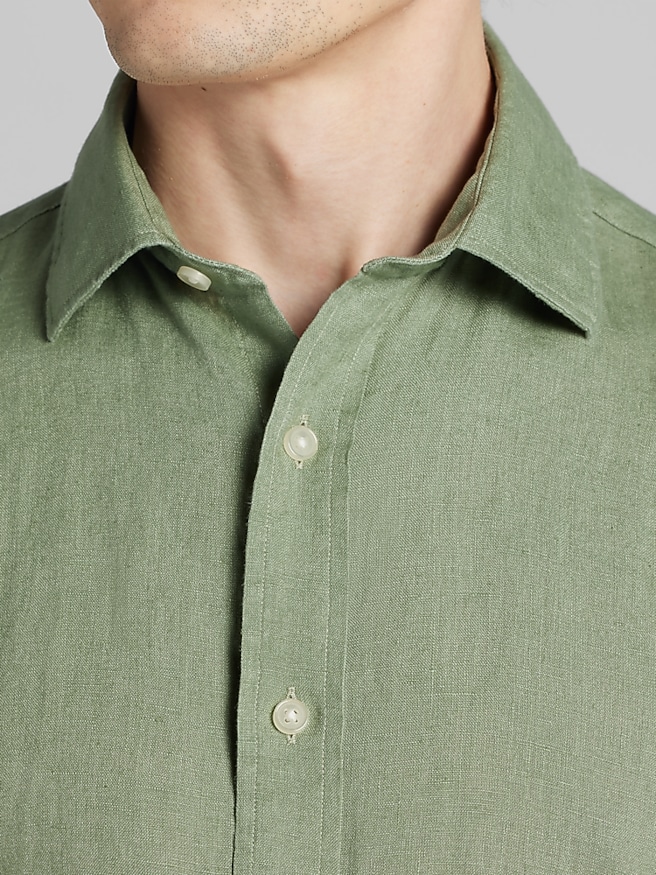
Styling textured polo shirts usually works best when the surrounding pieces give the fabric room to stand out. A ribbed polo with smooth, flat-front trousers creates a clear contrast between surface detail and clean lines, making a practical combination for a client lunch in a relaxed workplace or an evening at a restaurant. With dark denim and simple sneakers, the same category of shirt feels more casual without losing the definition of its collar. Chinos offer another easy pairing, particularly when their color contrasts enough with the shirt to keep the outfit from looking indistinct. Under an unstructured jacket, a finer knit generally sits more smoothly than a bulky waffle texture; check that the sleeves move comfortably and the collar stays in place. Tucking works best when the shirt has enough length to remain secure, while a shorter, finished hem often looks more natural left out. For a similarly tactile look with a full front opening, Textured Button Ups offer another direction for casual outfits. Keeping textured polos looking good starts with the care label, since washing and drying requirements vary by fiber and construction. When machine washing is permitted, turning the shirt inside out and using a gentle cycle can help limit friction against raised stitches. Avoid washing delicate knits alongside exposed zippers or hook-and-loop fasteners that might catch the fabric. Reshape the collar, placket, and hem after washing, and dry as directed; some knits need to lie flat to avoid stretching under their own weight. High dryer heat can cause shrinkage or affect stretch fibers, so it should not be the default. Folding heavier knit polos rather than leaving them on narrow hangers can help prevent shoulder marks. Over time, watch for loose threads, snags, and pilling at friction points such as the underarms or where a bag strap rests. Avoid pulling a snag, which can disturb nearby stitches. Thoughtful care, a comfortable fit, and a texture suited to regular activities help make a polo a useful part of an everyday wardrobe rather than a shirt saved for one occasion.