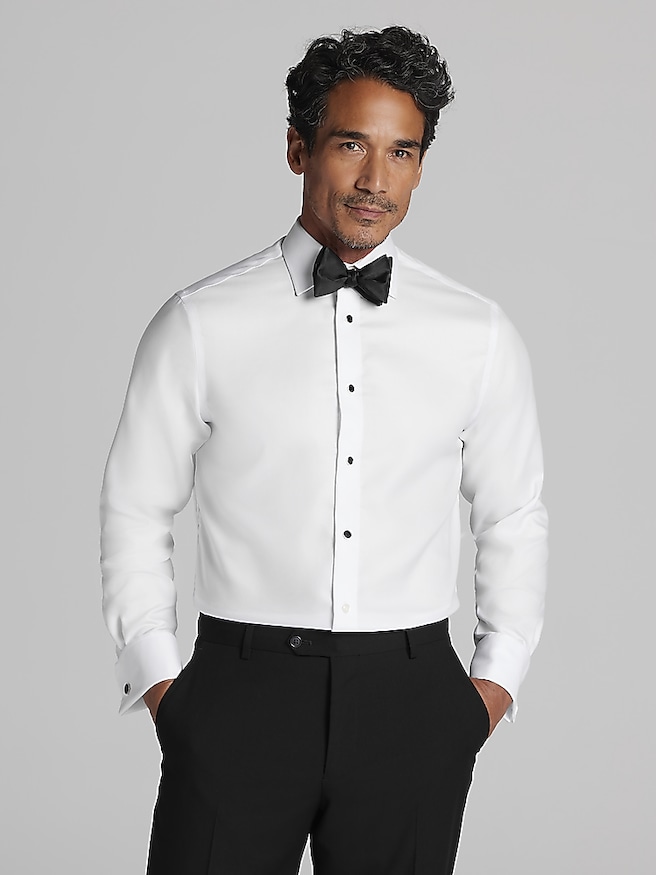
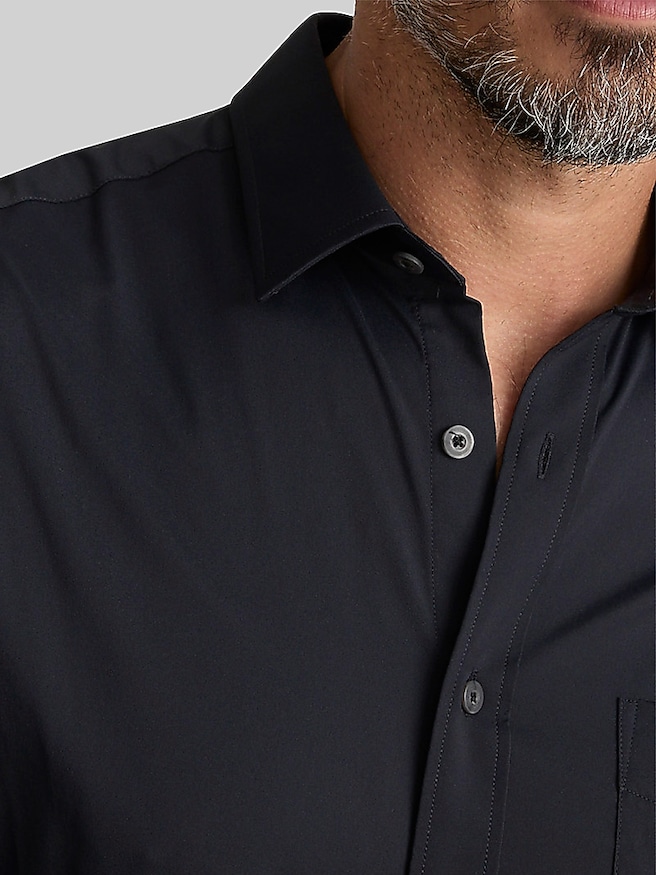
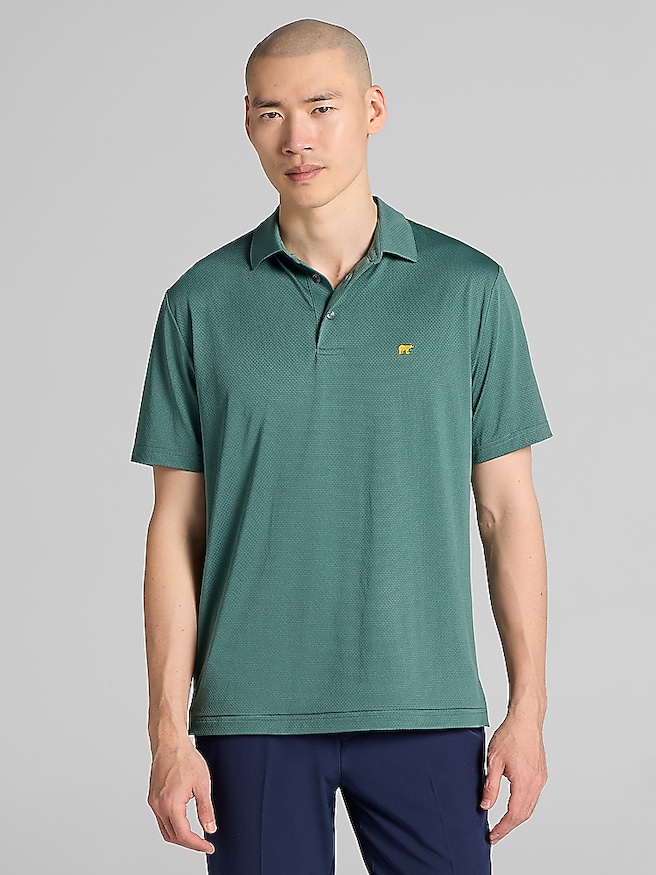
Textured button-ups are shirts with visible or tactile surface detail, created through the fabric’s weave, knit structure, yarn, or finish. That detail might appear as fine diagonal lines, raised ribs, small woven patterns, or a softly crinkled surface. The result is a shirt with more depth than a smooth fabric, even in a solid color. Oxford cloth has a basket-weave character, twill features diagonal ribs, and herringbone forms a repeating broken zigzag. Corduroy brings distinct ridges and a soft pile, while waffle constructions create a dimensional grid. Seersucker has a puckered surface, and crinkle fabrics have an intentionally irregular appearance rather than a perfectly pressed finish. These textures can be subtle enough for an office outfit or pronounced enough to give a casual look its main point of interest. Cotton is a familiar choice for its softness and absorbency, though the weight and construction of the cloth affect how it feels against the skin. Linen often shows natural variations in the yarn that contribute to a less uniform appearance. Blended fabrics may offer added stretch, easier care, or improved wrinkle resistance, depending on their fiber content and finish. Some textured shirts are woven for a more structured shape; others use knit fabrics that offer a softer drape and natural give. Neither construction determines the occasion on its own: a fine, restrained texture generally reads differently from a large, open stitch or a deeply ridged fabric. Color also changes the effect. A pale solid can make small shadows in the weave more noticeable, while a deep shade can keep an expressive texture understated. Stripes and checks add another layer of pattern, but a solid textured button-up often provides enough visual interest without additional decoration. Collar shape, sleeve length, pockets, and the hem complete the character of the shirt, giving otherwise similar fabrics a distinctly tailored or relaxed appearance. For a broader look at these fabric effects, Men's Textured Shirts brings the focus to shirts defined by dimension and surface detail.
Fit determines whether that texture looks intentional and feels comfortable throughout the day. A well-fitting textured button-up allows movement across the upper back without pulling at the placket when the wearer sits, reaches, or bends an elbow. On a shirt with a conventional set-in sleeve, the shoulder seam generally sits near the edge of the shoulder; an intentionally dropped shoulder creates a looser silhouette. A slim fit keeps excess fabric close to the body, while a classic or relaxed fit leaves more room through the chest and waist. Fabric behavior matters as much as the fit label. A substantial weave may hold its shape away from the body, while a softer knit or loosely woven cloth follows it more closely. Long sleeves should allow an easy bend at the elbow, with cuffs that stay comfortably in place rather than slipping over the hands. Short sleeves can look neat without gripping the upper arm. Hem shape and length help determine how a shirt works in an outfit: a longer curved hem generally supports a secure tuck, while a shorter, more even hem often looks balanced worn untucked. In an office with a relaxed dress code, a fine-textured shirt with flat-front trousers offers a polished alternative to a smooth dress shirt. For dinner or a casual gathering, a more pronounced weave pairs naturally with dark denim or clean-lined chinos. An open button-up over a plain T-shirt creates a casual layered look, with the shirt’s surface providing contrast against the simpler base. Under a jacket, lower-profile textures tend to sit more smoothly than bulky ribs or raised patterns. Texture also makes coordinating separates easier when the colors are close: a subtle difference in surface helps a shirt remain distinct from the trousers or jacket beside it. Keeping the surrounding pieces relatively simple lets the fabric register without making the outfit feel busy. These qualities make textured button-up shirts useful for men who want everyday clothing with character, whether dressing for a workplace, a restaurant, a family gathering, or an unhurried day out.
Lasting appeal comes from the relationship between the cloth, the construction, and the care it receives. A textured surface does not automatically mean a shirt is heavier or more durable; a fine open weave can feel delicate, while a tightly constructed fabric may better withstand repeated wear. Even stitching, secure buttons, neatly finished seams, and a placket that lies flat are practical details worth noticing. Areas that receive repeated friction, including cuffs, elbows, and collar edges, can show wear before the rest of the shirt, so a comfortable fit that avoids constant strain supports both appearance and longevity. Care requirements vary by fiber and finish, making the garment’s care label more useful than a single rule for all textured fabrics. Cotton and linen can shrink under unsuitable washing or drying conditions, while some blends need particular attention to heat. Raised stitches and open constructions may catch on rough surfaces or exposed fasteners. Separating them from abrasive fabrics and closing nearby zippers can help reduce snagging during laundering. A crinkled or puckered shirt is meant to retain dimension, so pressing it completely flat can work against its character. Corduroy and other pile fabrics also benefit from care that avoids crushing their surface; any ironing should follow the label’s directions. Promptly removing a shirt from the washer or dryer can limit unnecessary creasing, while appropriate hanging or folding helps preserve its shape between wears. For travel, fabric composition and the intended finish matter more than texture alone when considering how a shirt will look after unpacking. As a gift, a textured button-up offers a familiar silhouette with a little more personality than a smooth solid. The most useful choice reflects the recipient’s usual fit, preferred sleeve length, care routine, and everyday colors. Someone who regularly wears understated clothing may appreciate a fine woven pattern, while a person drawn to relaxed outfits may prefer more visible dimension. Thoughtful attention to those habits helps make the shirt a natural part of an existing wardrobe rather than a piece reserved for a single occasion.