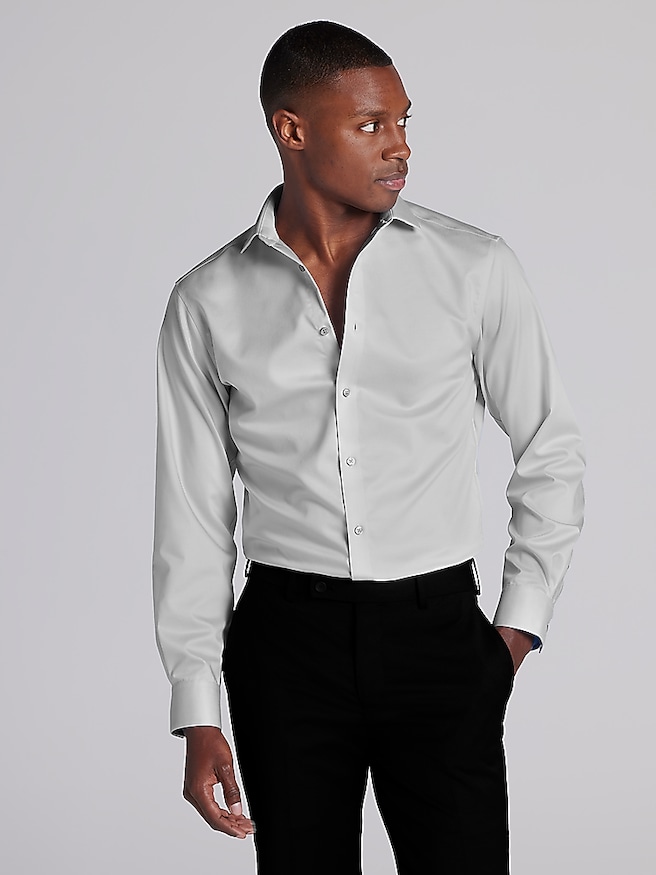
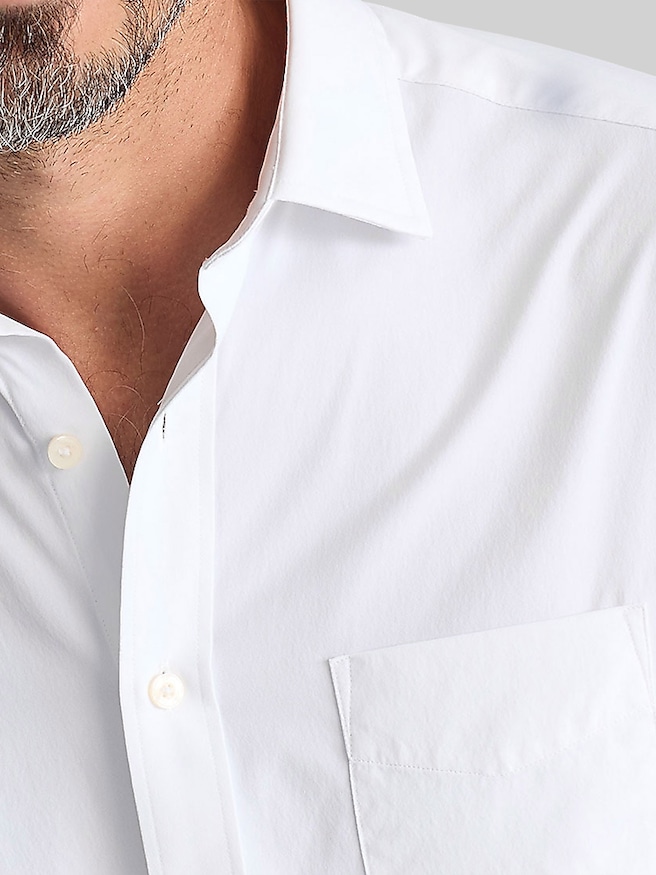
Men's textured shirts add depth and visual interest through the structure of the fabric, creating dimension without relying on bold prints. Texture can come from the weave, the knit, the yarn, or a finishing process that gives the surface a distinctive feel. An Oxford weave has a subtle basketlike appearance, while twill creates diagonal lines that can look almost solid from a distance. Dobby fabrics use small woven patterns for a more defined surface, and jacquard construction can produce intricate designs within the fabric itself rather than printing them on top. Piqué and waffle knits introduce raised patterns with a more relaxed character, while corduroy brings recognizable vertical ribs. These differences affect how a shirt catches the light, feels against the skin, and works with other clothing. A navy shirt with a fine woven texture may read as understated across a conference table, then reveal its detail at closer range. A cream shirt with a more pronounced surface can give a simple combination of dark pants and leather shoes a distinct focal point. Cotton is a familiar choice for its softness and absorbency, while linen often contributes a naturally irregular surface and a less uniform finish. Cotton blends can combine that familiar feel with fibers selected for stretch, shape retention, or easier care, depending on the construction. Looser weaves may allow more airflow, but breathability depends on fiber content, fabric weight, and construction rather than texture alone. Likewise, a textured surface does not automatically mean a thick or heavy shirt. Some fabrics have very fine relief; others feel substantial enough to wear as an overshirt. Color also changes the effect: tonal texture keeps the overall appearance restrained, while contrasting yarns make the pattern more visible. The result is a broad category that spans polished button-front shirts, relaxed knits, and casual layers, with the fabric doing much of the visual work.
Fit determines whether that texture looks refined, relaxed, or unnecessarily bulky. A well-proportioned shoulder seam generally sits near the edge of the shoulder, and the body should allow comfortable movement without pulling across the chest or creating deep folds around the waist. On a button-front shirt, a placket that lies flat while sitting and reaching is a useful sign that the fit has enough room. Slimmer cuts create a closer outline beneath a jacket, while straighter cuts leave more space through the torso and can suit casual wear or layering. Stretch can improve ease of movement, but it is not a substitute for the right size. Raised fabrics also have a physical presence, so a substantial rib or waffle texture may need more room beneath a jacket than a finely woven dobby. For long sleeves, cuffs should sit comfortably at the wrist without swallowing the hand, and the collar should close without pressure if the shirt will be worn with a tie. Hem shape matters, too: a longer, curved hem generally supports a tucked-in look, while a shorter hem with modest shaping can create a cleaner untucked outline. Men's textured shirts work especially well when the rest of an outfit gives the fabric room to stand out. Fine texture pairs naturally with smooth dress pants for office days, business dinners, or celebrations where a polished shirt feels appropriate. More visible texture works with chinos or dark denim for a restaurant reservation, a family gathering, or an easygoing workplace. A textured shirt beneath a smooth jacket adds contrast without requiring a bright color or large pattern. When combining patterns, differences in scale help prevent a small woven design from competing with an equally small jacket pattern. Alongside the everyday foundations in Men's Essential Shirts, textured styles offer another way to vary familiar outfits through fabric rather than extra accessories. The most useful choice is one that suits the wearer's usual pants, preferred collar shape, and typical level of dress.
Care and construction deserve the same attention as appearance, especially for shirts intended for frequent wear. The care label is the starting point because two fabrics with similar-looking texture may require different washing, drying, or pressing methods. Cotton can shrink with unsuitable laundering, linen naturally develops creases, and blended fabrics may have specific limits on heat. Raised surfaces can also catch on rough fasteners or abrasive objects, making it sensible to keep textured shirts away from exposed hook-and-loop closures and other snagging hazards during laundering and storage. When machine washing is permitted, an appropriate cycle and avoiding an overloaded drum can help limit unnecessary friction. Promptly removing a shirt after washing or drying can reduce set-in wrinkles, while the recommended drying method helps preserve its intended shape. Pressing requires particular care: heavy pressure can flatten some raised finishes, so any ironing or steaming should follow the garment's instructions. A sharply pressed collar and a naturally dimensional body can look more appropriate than trying to make every part of a textured shirt perfectly flat. Durability depends on more than fabric thickness. Secure buttons, neatly finished seams, consistent stitching, and a construction suited to the intended use all contribute to how well a shirt handles repeated wear. High-friction areas such as cuffs, collar edges, and the points where a bag strap rests may show wear before the rest of the garment. For gifting, familiar preferences are often more useful than choosing the most distinctive texture. Someone who wears smooth, solid shirts may appreciate a subtle woven surface in a familiar color, while someone drawn to casual layers may prefer a more noticeable rib or knit. An existing shirt can provide a practical reference for collar size, sleeve length, and body fit. Matching the fabric's care requirements to the recipient's routine also helps make the gift an easy part of everyday dressing rather than something reserved for rare occasions.