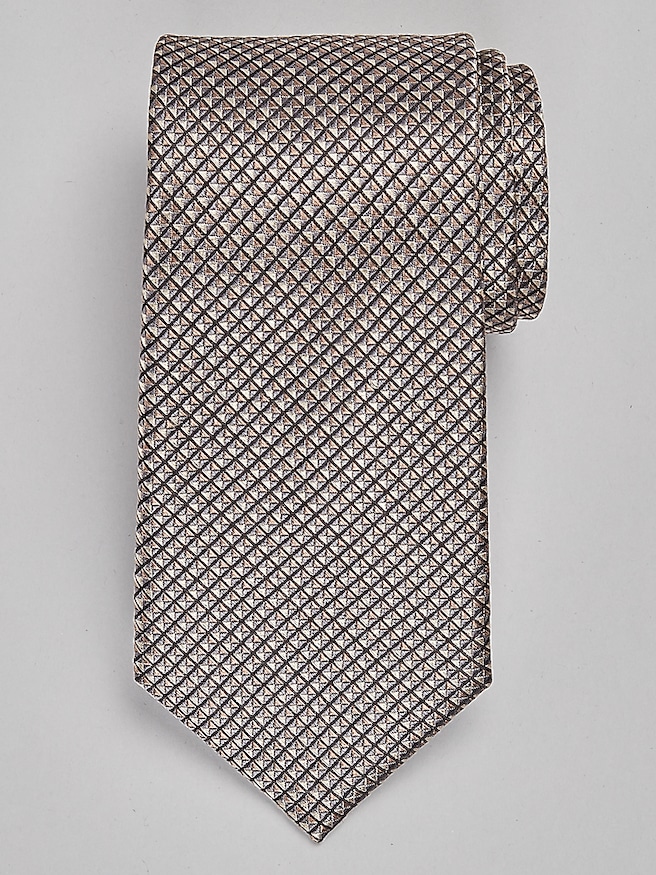
Taupe suits bring a softer kind of polish to tailored dressing, with a color that sits between brown and gray rather than leaning fully into either. Some shades have a sandy, beige cast; others look closer to stone or muted mushroom. That subtle range gives taupe its character: understated enough for a professional setting, yet distinctive beside the navy and charcoal often seen at meetings and celebrations. A crisp white shirt makes the color look clean and defined, while pale blue brings out its cooler undertones. Cream creates a quieter combination with less contrast, especially when the shirt and suit remain visibly separate in shade. For a client presentation, a taupe suit with a navy tie and dark brown leather shoes can feel composed without appearing severe. For a wedding that calls for a suit, the same neutral foundation works with a textured tie, a neatly folded pocket square, and polished footwear. Taupe is also a natural choice for engagement parties, graduation celebrations, anniversary dinners, and other occasions where a jacket and matching trousers feel appropriate. It offers room for personal expression without relying on a bold pattern or an unusually bright color. A burgundy tie adds depth, a dark green accent brings an earthy note, and a subtle brown pattern keeps the palette closely connected. The result depends as much on contrast as on the individual colors: a darker tie gives the eye a clear focal point, while accessories near the suit’s own shade create a more blended appearance. For someone building a wardrobe beyond the familiar dark suit, taupe introduces variety while still working with many established shirt and accessory combinations. It is not a substitute for a tuxedo when an invitation specifies black tie, but it can be a versatile option for occasions with a suit-and-tie or tailored cocktail dress code. Its appeal lies in looking considered rather than conspicuous, whether worn by a wedding guest, a graduate, or a professional whose workplace welcomes lighter neutrals.
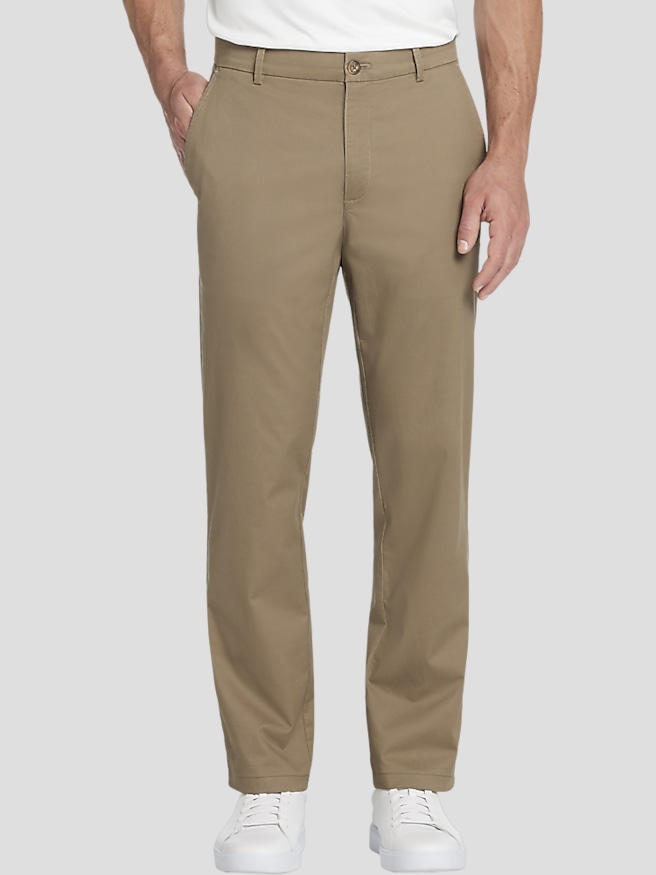
Fabric and construction shape how a taupe suit looks in person, particularly because its muted color allows texture and drape to stand out. Wool can offer a smooth fall through the jacket and trousers, along with natural resilience that helps ordinary creases relax between wears. Fine worsted wool tends to create a cleaner, more defined surface, while a more textured weave gives the color additional depth. Blended fabrics vary according to their fiber content and construction; some emphasize shape retention, while others include stretch for a little extra give during movement. Linen-rich cloth has a more relaxed surface and develops visible creasing, which suits an intentionally less structured appearance. Cotton can feel crisp and substantial, though it may show folds more readily than a resilient wool cloth. The fabric label provides a better starting point than color alone when considering how a suit will fit into a regular routine. Someone who spends much of the day seated may value comfortable movement through the waist, seat, and knees, while someone dressing for presentations may place more emphasis on a jacket that maintains a clean line when standing. A well-balanced fit accommodates both. Jacket shoulders should follow the natural shoulder line without extending noticeably beyond it or pulling tightly across the upper back. The lapels should lie flat, and a fastened jacket should not form pronounced pulling lines around the button. Through the trousers, enough room in the seat and thighs helps the fabric fall smoothly rather than catching or bunching. Slim, tailored, and roomier cuts describe broad silhouettes, not a universal sizing standard, so actual measurements and proportions matter more than the name. Trouser length changes the overall impression as well: a slight break looks familiar and polished, while little or no break creates a sharper outline above the shoe. Sleeve length, waist shaping, and trouser hems are common areas for professional alterations. Those adjustments can make a quiet neutral suit look particularly intentional, because an even hem and smooth jacket front leave the fabric and silhouette to do the work.
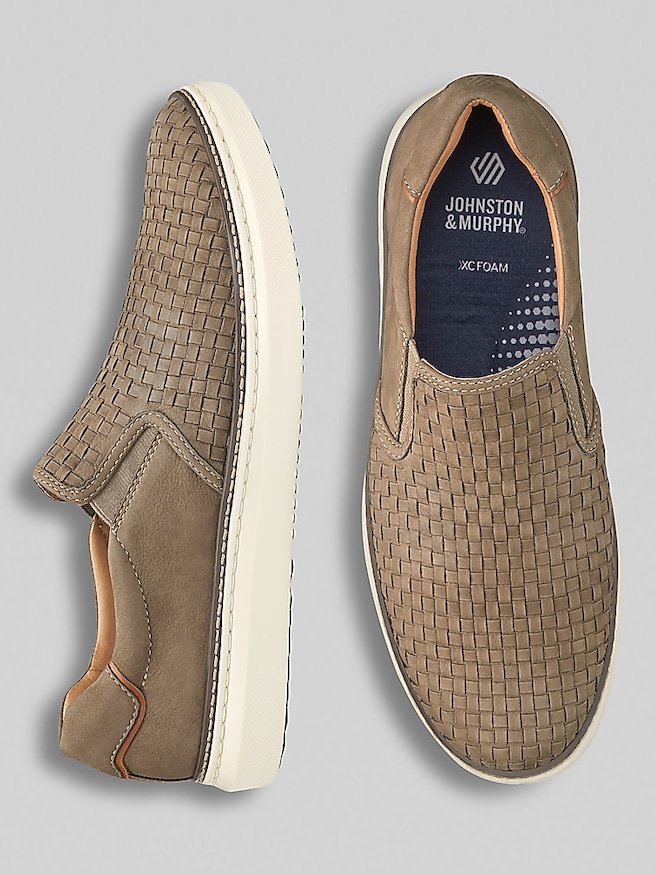
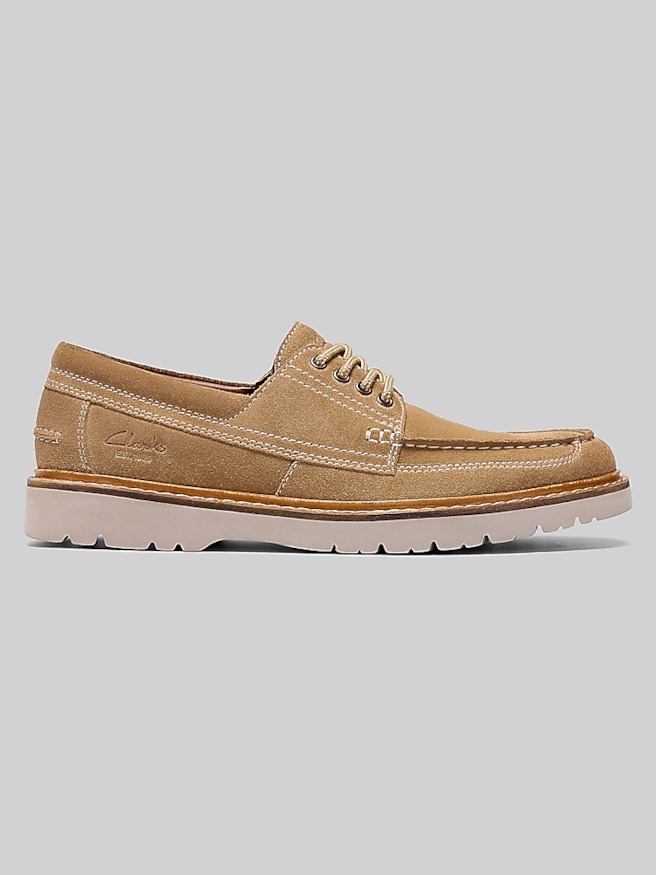
The finishing pieces determine whether a taupe suit reads as businesslike, celebratory, or relaxed. Dark brown shoes create a grounded contrast, while medium brown leather produces a softer transition from trouser hem to footwear. Black can work when it connects to other deliberate accents, though the effect is more pronounced against a pale taupe cloth. For a closely coordinated palette, taupe dress shoes can extend the neutral color story without requiring an exact match. A slight distinction in shade or texture often looks more natural than an almost identical pairing that misses by a fraction. Smooth leather reads as more polished, while suede introduces a softer surface when the occasion allows it. A belt in a compatible leather tone keeps the waistline cohesive; socks close to the trousers or shoes help maintain an uninterrupted line when seated. Accessories need not repeat one another precisely. A white pocket square can echo the shirt, while a patterned tie brings together two colors already present in the outfit. Worn with an open collar, the suit takes on an easier character, provided the shirt collar sits neatly inside the jacket and the setting does not call for a tie. Keeping that appearance intact over time depends on routine care as much as on the original fabric. Follow the garment’s care label, address marks promptly using a method appropriate to the material, and use professional cleaning when needed rather than automatically after every wear. A gentle clothing brush can remove surface dust from suitable fabrics, and a broad, shaped hanger supports the jacket shoulders between outings. Trousers benefit from hanging neatly along their crease or from another storage method recommended for their construction. Emptying pockets after wear helps prevent stretched fabric and distorted lines. Allowing the suit to air before storing it, avoiding prolonged direct sunlight, and using a breathable garment bag for longer storage can help preserve its appearance. When worn together, the jacket and trousers should generally be cleaned together to help maintain a consistent color. With thoughtful fitting, compatible accessories, and steady care, a taupe suit can become a dependable part of a tailored wardrobe rather than an outfit reserved for a single photograph or occasion.