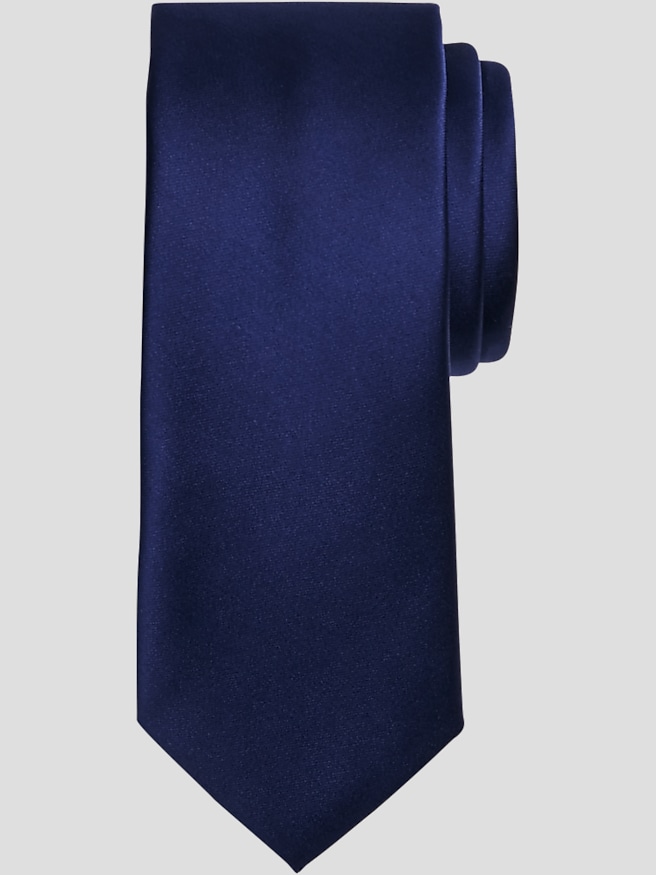
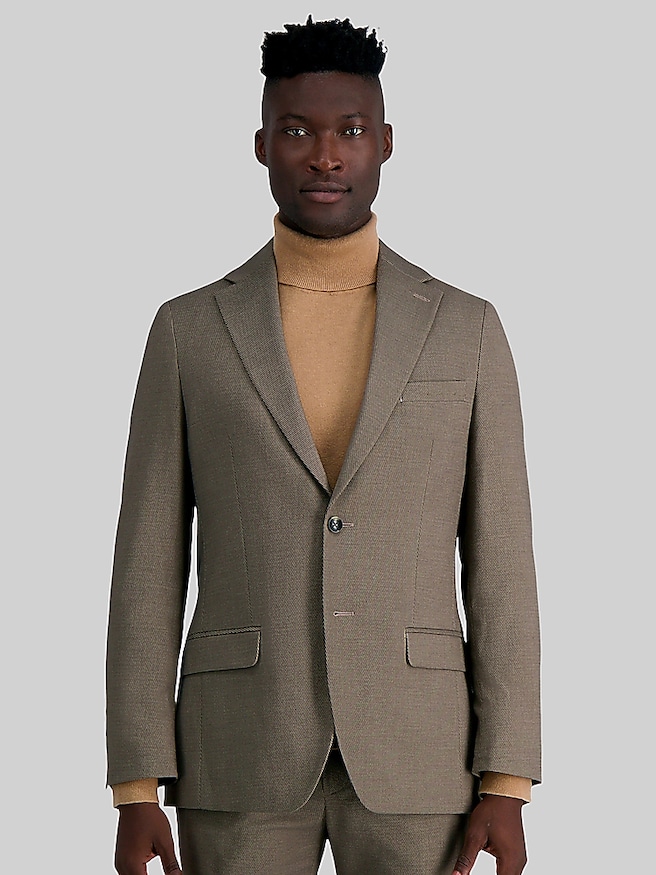
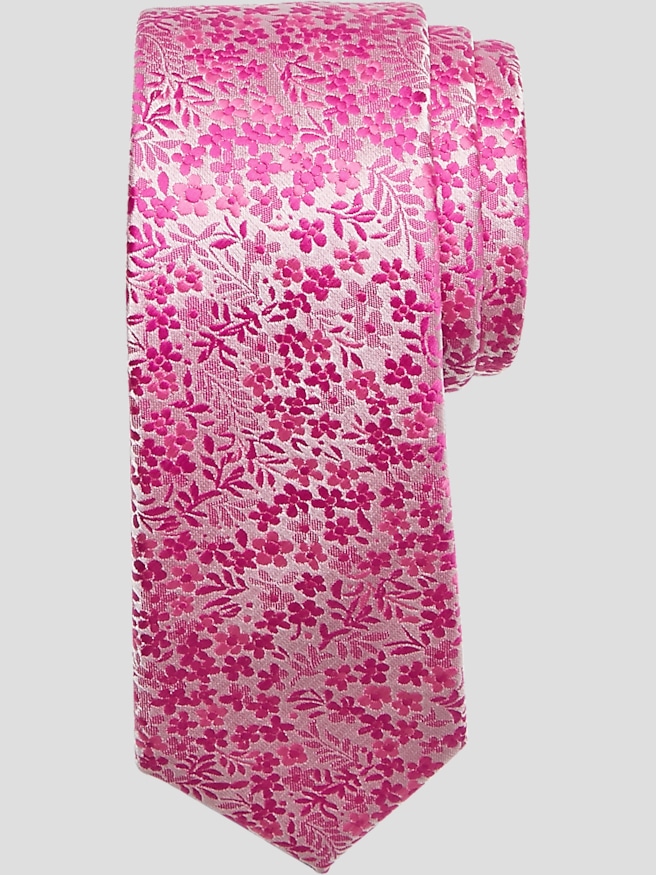
Taupe neckwear brings a quiet balance to tailored clothing, combining the warmth of brown with the restraint of gray. The color is softer than black, less stark than silver, and versatile enough to sit comfortably beside navy, charcoal, cream, and earth tones. Within that neutral family, shades can lean sandy, mushroom, or gray-brown, so two taupe ties may create noticeably different effects against the same shirt. A brown-leaning shade adds warmth to a crisp white collar, while a grayer version can echo the cool tones of a charcoal jacket. Classic neckties and bow ties give the color different personalities: a long tie creates a clean vertical line beneath a jacket, while a bow tie keeps the emphasis close to the face and collar. Solid taupe neckwear offers a restrained finish for business attire, wedding outfits, and celebratory dinners, while woven dots, narrow stripes, and small geometric patterns introduce detail without taking over the look. The appeal is especially clear with a navy suit and white shirt, where a taupe tie provides contrast without the brightness of a saturated color. Against a pale blue shirt, it creates a softer combination that still feels considered. For an outfit built around taupe suits, neckwear in a deeper shade or a distinct texture helps keep the jacket and tie from blending into one flat field of color. A pocket square can pick up a small accent from the tie rather than repeat its entire pattern, giving the finished outfit a coordinated but less uniform appearance. Because taupe is a blended neutral, its undertone matters as much as its depth; a pinkish cast, golden cast, or cool gray cast may become more apparent beside a shirt or under event lighting. Viewed as part of the full outfit, the right shade feels connected to the tailoring rather than added as an afterthought.
Fabric and construction shape how taupe neckwear looks, knots, and holds up to repeated use. Silk can provide a fluid drape and a subtle luster that brings depth to a neutral shade, though its finish depends on the weave. Smooth satin reflects more light and can make taupe appear brighter across the front of a tie; satin describes a weave, not a fiber, and may be made from silk or synthetic materials. A matte woven surface gives the same color a quieter character. Linen and cotton blends often show more visible texture, lending a relaxed quality to tailored separates, while wool can create a fuller, softly textured knot. Knitted neckties add a distinct surface and a less formal edge that works naturally with an unstructured jacket or a patterned sport coat. Polyester and blended fabrics can offer resilience and wrinkle resistance, but fiber content alone does not determine quality or care requirements. The lining, seams, and overall construction also affect how smoothly a tie hangs and how readily it recovers after being untied. Proportion is just as important as material. A tie width that relates to the jacket lapels generally looks more balanced than an unusually narrow tie beside broad lapels, or an oversized blade beneath a close-fitting collar. For a traditional finish, the tip of a necktie typically reaches the waistband or the middle of the belt buckle when standing naturally. Torso length, neck size, and knot choice all influence how much tie length is needed. A compact four-in-hand knot suits many narrower collar openings and creates a slightly asymmetric shape; a half-Windsor produces a fuller, more balanced triangle. Thicker fabric fills a collar with less knot volume, while a thin, supple fabric may need a different knot to achieve a similar effect. With bow ties, the span should look proportionate to the face and collar, and an adjustable neckband should sit securely without feeling restrictive.
Taupe ties and bow ties fit occasions where the goal is to look polished without making the neckwear the loudest part of the outfit. For a job interview or client presentation, a matte solid or a discreet woven pattern can complement a dark suit while keeping attention on the wearer. At a wedding, taupe can connect the attire of the groom, groomsmen, and other participants through a shared neutral tone, even when their suit colors differ. Consistency of undertone and finish matters in a group photograph: a glossy golden taupe and a matte gray taupe may look farther apart than their color descriptions suggest. Formality still depends on the invitation and the complete outfit, not color alone. A taupe bow tie can be appropriate for many dressed-up celebrations, but a traditional black-tie dress code generally calls for a black bow tie with a tuxedo. For graduation ceremonies, anniversary dinners, and other personal milestones, a textured taupe necktie offers enough distinction to mark the occasion without limiting future wear. It can also make a thoughtful gift for someone building a professional wardrobe or refining a collection of tailored accessories, particularly when the recipient’s usual suit colors, preferred tie width, and comfort with patterns are known. Good care helps preserve both the fabric and the shape. After wear, undo the knot by reversing the tying steps rather than pulling the narrow end forcefully through it. Giving a tie time to rest between wears allows minor creases to relax; woven ties can usually be stored on a smooth tie rack or loosely rolled, while knit styles are often better kept flat or loosely rolled to avoid stretching. Spills deserve prompt attention, but rubbing can push a stain deeper or damage the surface. The care label should determine whether professional cleaning, spot treatment, or another method is appropriate. Gentle handling, protected storage, and a rotation between wears help taupe neckwear maintain the clean drape and subtle texture that make it so useful across a tailored wardrobe.