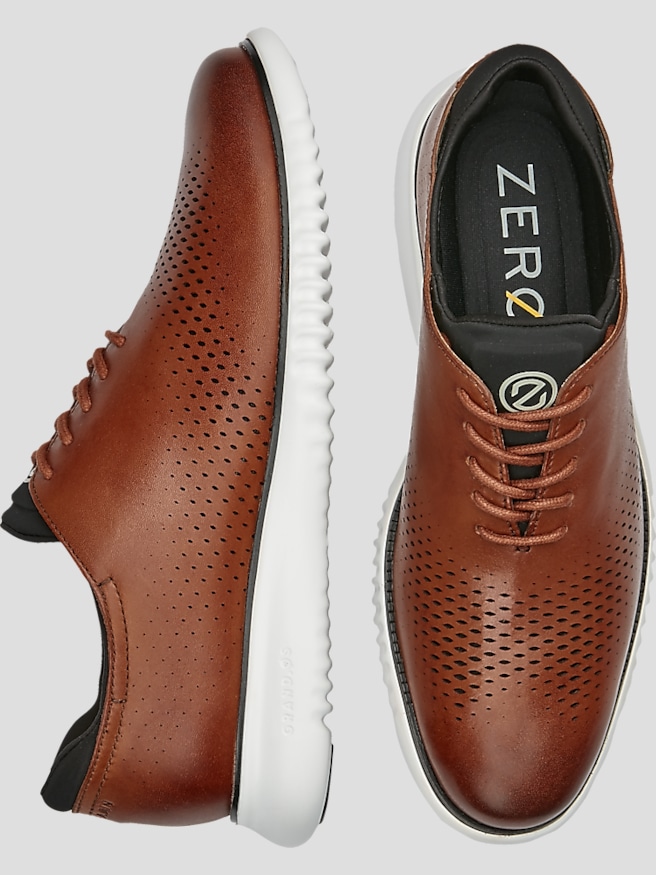
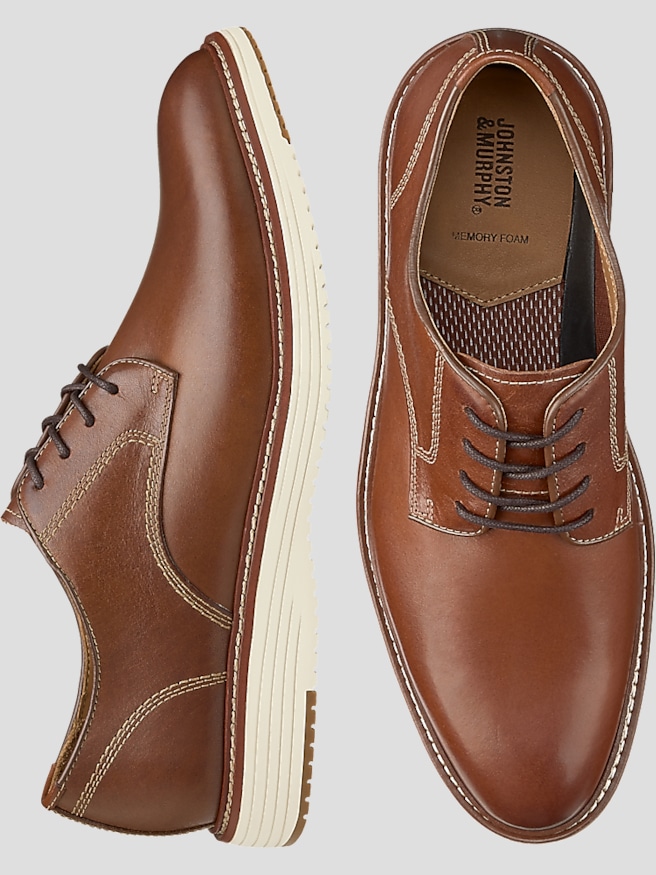
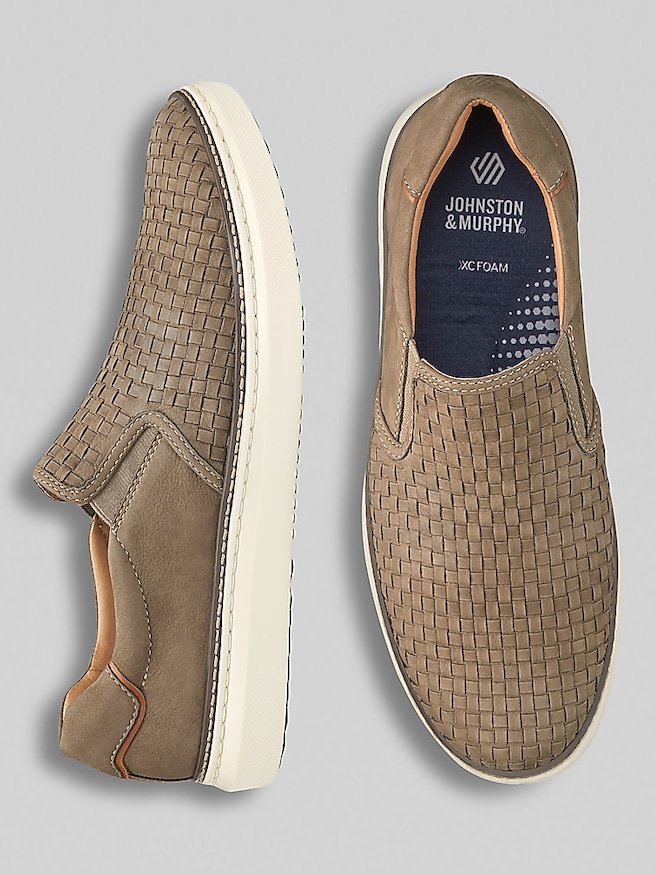
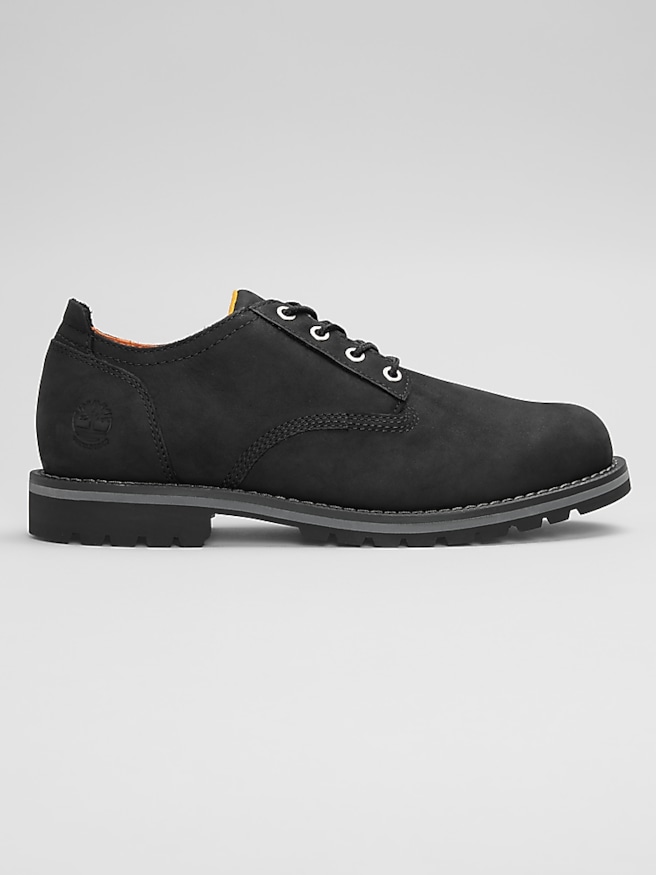
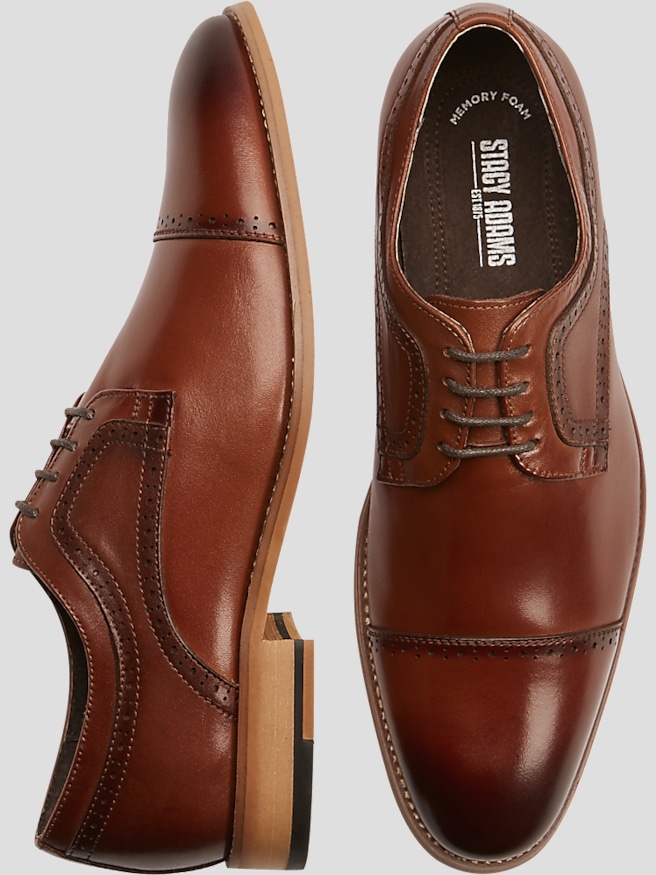
Taupe oxfords are neutral lace-up shoes in a gray-brown shade that bridges the gap between lighter beige footwear and deeper brown dress shoes. Their understated color works especially well with navy, charcoal, olive, and cream, making them a useful choice for wardrobes built around tailored separates and clean, uncomplicated outfits. A traditional oxford has closed lacing, with the sections holding the eyelets stitched beneath the front of the upper for a close, streamlined appearance. Some dress-casual shoes described as oxfords take a looser approach to that construction, combining a lace-up profile with softer uppers or sneaker-inspired soles. The distinction matters when choosing footwear for an office, a wedding, or a relaxed dinner: a smooth leather pair with a slim sole generally looks dressier than a knit version with a thick, contrasting sole. Taupe itself can lean warm and earthy or cool and almost stone-gray, and the material affects how that color reads. Suede gives it a soft, muted depth, while smooth leather creates a more defined finish that can look sharper beside pressed trousers. With a navy suit, taupe shoes offer a lighter alternative to dark brown; with charcoal pants and a fine-gauge sweater, they keep the outfit from feeling overly severe. Olive chinos and an ivory shirt bring out the shade’s earthy side without requiring an exact color match elsewhere. A brown belt with a similar undertone usually creates a cohesive finish, even when its shade is not identical. For a warmer neutral comparison, tan oxfords tend to have more golden or yellow-brown tones, whereas taupe usually carries a stronger gray influence. That quieter character makes taupe particularly useful during the cooler months, when textured jackets, wool trousers, and darker layers benefit from a little contrast at ground level. It also transitions naturally to lighter fabrics, giving the color a role beyond a single season.
Materials and construction shape how taupe oxfords feel throughout the day as much as how they look. Smooth leather can soften with wear and develop subtle creasing, while suede has a brushed surface that adds texture to simple outfits. Neither material guarantees comfort on its own; the lining, seams, shape, and flexibility of the shoe all contribute. Knit and textile uppers may feel lighter and more flexible, although their more casual appearance is usually better suited to chinos and unstructured tailoring than formal dress. Synthetic uppers vary widely in breathability and suppleness, so their practical value depends on the specific construction rather than the material label alone. For someone moving between a desk, meeting rooms, and a walk to lunch, a cushioned footbed and a sole with useful grip can be welcome features. Leather soles offer a traditional, low-profile finish but may feel slippery on smooth surfaces, especially before wear. Rubber soles can provide more traction, depending on the tread and compound, while lightweight foam-based soles often create a softer, more casual feel underfoot. Fit should leave room for the toes to move without allowing the foot to slide forward, and the heel should feel secure without rubbing. Trying shoes with the socks intended for daily wear gives a more realistic sense of volume, particularly when switching between thin dress socks and thicker cool-weather pairs. A snug instep should feel supported, not squeezed; tight laces are not a substitute for the right width or shape. Leather may relax slightly, but a painful shoe should not be expected to become comfortable through wear alone. For long office days or occasions that involve standing, enough width across the forefoot matters more than a narrowly tapered appearance. Anyone using removable inserts should also consider interior depth and whether the existing footbed can be taken out, since adding layers can crowd an otherwise suitable fit.
The most useful taupe oxfords are those whose finish and construction suit the places they will actually go. A plain-toe or restrained cap-toe design pairs easily with business clothing, while decorative perforations and wingtip detailing bring more visual texture to wool pants, corduroy, or dark denim when the setting allows. For a daytime wedding with a suit-based dress code, taupe can complement blue or medium-gray tailoring; for a strict black-tie occasion, traditional formal footwear is the more appropriate choice. A graduate building a work wardrobe, a frequent dinner guest, or someone who prefers understated accessories may appreciate the color’s versatility. As a gift, shoes are most successful when the recipient’s size, width, and preferred fit are known, rather than guessed from another pair with a similar appearance. Regular care helps preserve both the pale neutral color and the structure. After wear, a soft brush or cloth removes surface dust before it becomes embedded. Smooth leather generally benefits from occasional conditioning with a suitable product, tested first in an inconspicuous area because some treatments darken light shades. Any polish should be compatible with the finish, and a color match deserves particular attention with taupe’s mix of gray and brown. Suede needs its own brush and appropriate spot-cleaning products; ordinary leather cream can flatten or stain the nap. A material-compatible protective spray may help resist minor moisture and marks, but it does not make footwear waterproof. Wet shoes should dry naturally away from radiators and direct heat, with absorbent paper inside if needed to help maintain their shape. Cedar shoe trees can support the uppers between wears, and rotating footwear gives each pair time to air out. Durability also depends on sound stitching, secure sole attachment, and wear patterns at the heel and forefoot. Some stitched constructions allow resoling, while many cemented designs are less practical to rebuild. Matching those details to daily routines helps taupe oxfords remain a dependable part of a wardrobe, rather than a pair reserved for rare appearances.