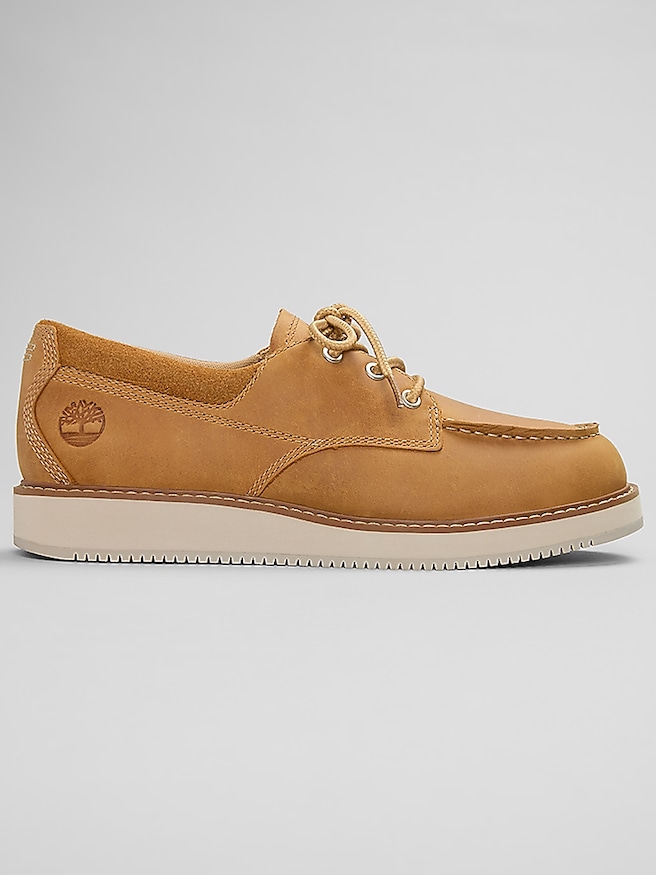
Tan walking shoes bring a versatile neutral color to footwear made for time spent on foot, from a walk to the office to an afternoon exploring a museum. Their appeal is practical as much as visual: tan sits comfortably alongside navy, gray, olive, and denim, giving casual outfits a lighter contrast than black without the brightness of white. Shades described as sand, beige, camel, or light brown can create distinct effects, with pale tones looking relaxed and deeper shades offering a more understated finish. The shape and materials matter just as much as the color. A streamlined leather walking shoe can complement chinos and a button-down shirt, while a textile lace-up feels at home with jeans and a casual knit. Suede adds a soft, textured look that works especially well with cotton trousers and unstructured layers. For men moving between a commute, a casual workplace, and dinner afterward, tan walking shoes can keep an outfit cohesive without looking overly formal. Comfort-focused footwear should also suit the actual distance and surfaces involved. A pair used for short neighborhood outings may need a different balance of cushioning, flexibility, and support than footwear worn through hours of sightseeing. Walking generally calls for a comfortable heel-to-toe transition, secure footing, and enough room for the foot to move naturally inside the shoe. A flexible forefoot can help the shoe bend with each step, while a stable heel helps keep the fit settled. Low-profile silhouettes offer a discreet appearance, and more substantial soles can create a sportier look. Neither appearance alone establishes comfort; the way the upper, footbed, and outsole work together is more important. Tan walking sneakers and casual walking shoes are best understood as everyday footwear, not automatic substitutes for running shoes, technical hiking footwear, or protective work shoes. Matching the construction to the activity helps keep the choice useful beyond its color.
Materials influence how tan walking shoes feel, how they hold their shape, and how much attention they need over time. Smooth leather can offer structure and a clean finish, with natural creasing developing where the foot bends. Suede and nubuck have a brushed surface that gives tan shades depth, although the nap can show marks and requires care suited to that finish. Textile and mesh uppers can feel lighter and allow airflow, depending on the weave, lining, and overall construction. Mixed-material designs may combine a structured heel with more flexible panels across the forefoot. Inside the shoe, cushioning should feel comfortable without making the foot feel unsteady. EVA midsoles are often used to provide lightweight cushioning, while foam footbeds add another layer between the foot and the sole. A contoured footbed may feel more supportive than a flat one, but the position of that contour needs to suit the wearer’s foot. More padding is not automatically a better fit, particularly if it leaves too little space across the toes or over the instep. A removable footbed can be useful for cleaning or accommodating an appropriate replacement insert, provided the shoe has enough interior depth. Fit deserves equal attention at the heel, midfoot, and toe box: the heel should feel secure, the middle of the shoe should not squeeze, and the toes need space without sliding forward. The socks intended for everyday wear can noticeably affect that balance. Lace-up closures allow adjustments across the top of the foot, while slip-on designs depend more heavily on the shape of the opening and the hold of any elastic panels. Underfoot, rubber outsoles and textured tread can contribute to durability and traction, though grip varies by construction and walking surface. For longer outings, a shoe should feel comfortable from the start rather than depend on a painful break-in period. Trying both shoes and taking several natural steps can reveal heel movement, pressure points, or an awkward bend that is easy to miss while seated.
Keeping tan walking shoes looking polished starts with treating each material appropriately rather than using the same cleaning method on every pair. Loose dust and surface grit are easier to remove before they settle into seams or the texture of the upper. Smooth leather generally benefits from gentle cleaning with a suitable leather product and occasional conditioning when recommended by the maker; too much product can change the color or leave residue. Suede and nubuck need a brush designed for their nap, with light pressure to lift dirt without flattening the surface. Textile sections may respond to careful spot cleaning, but machine washing is appropriate only when the care instructions expressly allow it. Any cleaner or protective treatment should first be tested on an inconspicuous area, since light brown and beige finishes can darken or develop uneven patches. Letting footwear dry naturally, away from direct heat, helps protect its shape and materials. Rotating between pairs also gives the interior time to air out between wears. Durability is not simply a matter of a thick sole: sound stitching, secure sole attachment, a lining that resists abrasion, and an outsole suited to the walking surface all contribute to useful wear. Over time, noticeably uneven tread, a compressed footbed, or a heel that no longer holds securely can change how a shoe feels underfoot. For workplaces with specific footwear expectations, Tan Work Shoes provide a related category to consider, while any required safety features still need to be verified separately. Tan walking shoes can also make a thoughtful gift for a dad, partner, or friend who enjoys city walks, travel, or a relaxed everyday wardrobe. Familiarity with the recipient’s size, preferred width, closure style, and usual socks matters more than color alone. A comfortable shape, practical construction, and an easy-to-pair tan finish give this footwear lasting relevance for everyday routines.