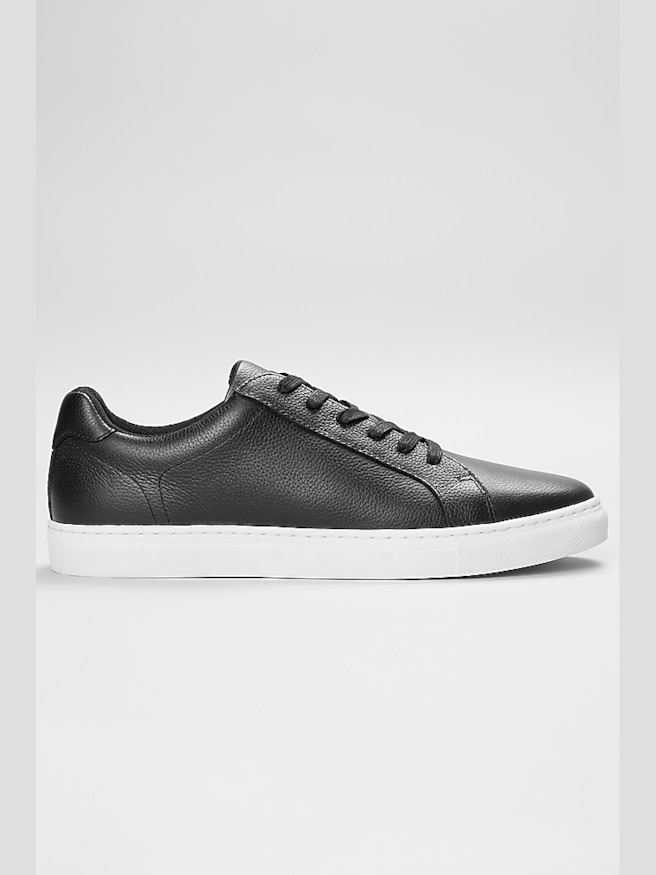
Comfortable tan shoes bring a lighter, more relaxed look to men’s footwear while keeping an outfit polished enough for work, dinner, or a special occasion. Tan covers a useful range of shades, from pale sand and warm beige to richer honey and caramel tones. That variety makes the color easy to pair with navy trousers, charcoal chinos, olive pants, and dark denim without creating the strong contrast of black footwear. Smooth leather lace-ups can complement a tailored jacket and an open-collar shirt, while suede loafers add texture to a simple combination of chinos and a knit polo. Low-profile sneakers and dress-casual hybrids offer another approach, balancing a streamlined upper with a more flexible, cushioned foundation. The shape and detailing help determine how dressy a pair feels: a clean plain toe has an understated appearance, a cap toe adds definition, and brogue perforations bring a more decorative finish. A slim sole and neatly shaped toe generally read as more tailored than a thick, athletic-inspired base. Tan can work especially well for business-casual offices, daytime wedding celebrations, graduation events, and dinners where a full formal look would feel out of place. For traditional black-tie occasions, however, tan footwear is generally less appropriate than the dark formal shoes associated with that dress code. In everyday settings, a belt in a similar warm brown tone helps connect the shoes to the rest of the outfit; an exact color match is less important than a coordinated finish and level of formality. Someone moving from a desk to a meeting across the building may prefer a polished lace-up with discreet cushioning, while someone heading from lunch to an afternoon of browsing downtown may favor a flexible casual style. The appeal of comfortable tan shoes is that they can support these familiar routines without making the footwear feel like an afterthought.
Comfort comes from the relationship between fit, construction, and intended use, rather than from softness alone. Common comfort features include cushioned footbeds, flexible midsoles, padded collars, breathable linings, and enough space through the forefoot for the toes to rest naturally. A contoured footbed may provide a more supportive feel than a completely flat interior, while a cushioned heel can soften the sensation of repeated steps on hard floors. Lightweight foam midsoles reduce overall weight, and rubber outsoles often provide useful flexibility and grip, although traction depends on the tread, surface, and condition of the shoe. Leather outsoles have a traditional dress appearance but can feel firmer underfoot, making the interior cushioning and fit especially important. Full-grain leather uppers offer a natural surface that can develop character with wear, while suede provides a softer, textured appearance. Knit and textile panels can make casual designs feel lighter and allow airflow, though the complete construction matters more than any single material. Smooth interior seams, a gently padded tongue, and a heel collar that does not rub can make a noticeable difference during a commute or a long reception. A properly fitting pair holds the heel securely without squeezing it, leaves room ahead of the longest toe, and bends near the ball of the foot rather than through the middle of the arch. Feet can vary in width and volume even when the measured length is the same, so a familiar size does not guarantee an identical fit across styles. Lace-up closures allow adjustment over the instep, while loafers rely more heavily on a close match between the shoe’s shape and the foot. Socks also affect the feel: a thin dress sock takes up less room than a cushioned casual sock. Leather may soften with use, but persistent pinching, cramped toes, or rubbing at the heel should not be treated as necessary parts of breaking in a pair.
The right construction also depends on how much standing and walking a day involves. For a typical office routine, a dress-casual shoe with a stable heel and moderate cushioning may provide a useful balance of structure and flexibility. For travel days that involve terminals, sidewalks, and extended time on foot, lighter weight, a secure closure, and an outsole suited to repeated walking become more important than decorative details. The Tan Walking Shoes category offers a related focus for shoppers whose plans center on everyday movement rather than a more tailored dress code. Removable footbeds can be useful for people who use compatible inserts, provided the shoe has enough interior depth and the insert does not compromise heel hold. No single cushioning material or shoe shape suits every foot, and footwear described as comfortable is not a substitute for individualized advice about ongoing foot pain. Beyond the first wear, thoughtful care helps preserve both appearance and function. Smooth leather generally benefits from regular dust removal, occasional conditioning with an appropriate product, and polish matched to the material and shade. Suede calls for a suitable brush and suede-specific care rather than conventional leather polish, which can alter its texture. Any cleaner or protector is best tested on a discreet area because light tan finishes can show changes in color more readily than darker shades. Allowing shoes to dry naturally between wears, away from direct heat, helps protect their shape and materials. Shoe trees can support leather uppers, while alternating pairs gives interiors time to air out. Durability also depends on sound stitching, a secure bond between upper and sole, and an outsole that remains intact rather than worn smooth. As a gift for a graduate, a partner building a work wardrobe, or someone who appreciates versatile footwear, comfortable tan shoes are most useful when the recipient’s size, width, preferred style, and daily routine are already known. Those practical details help turn an appealing neutral color into footwear that earns a regular place in the week.