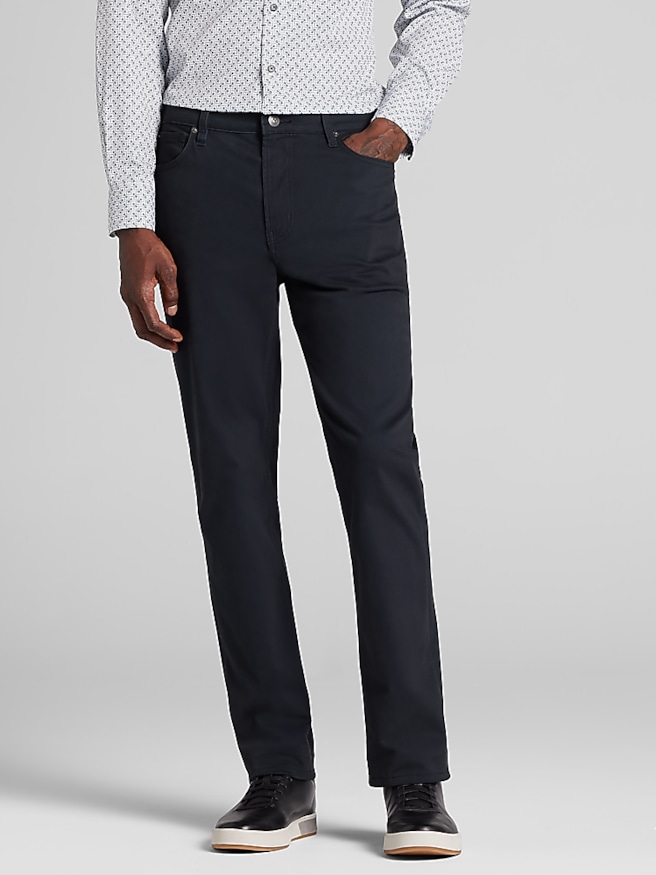
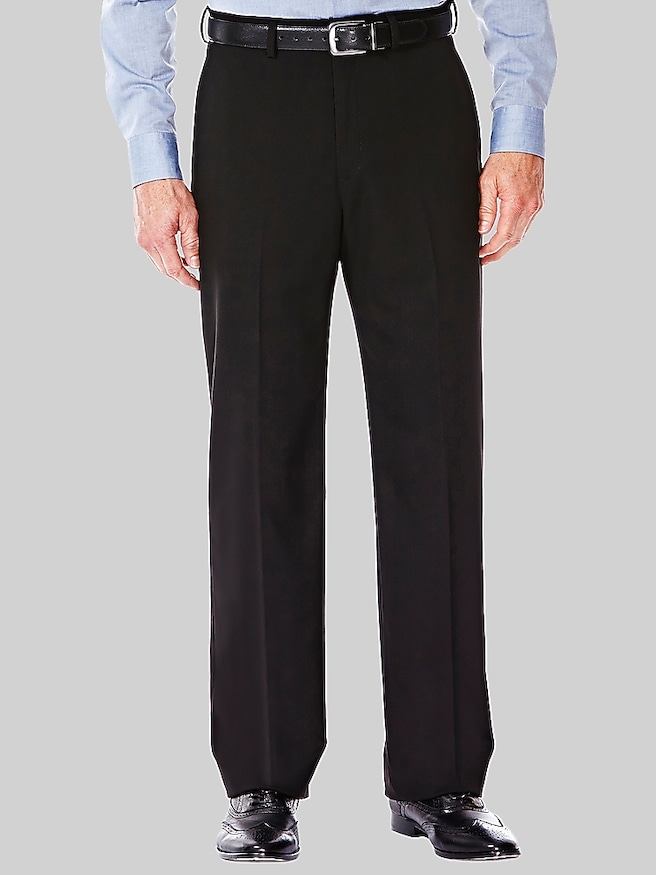
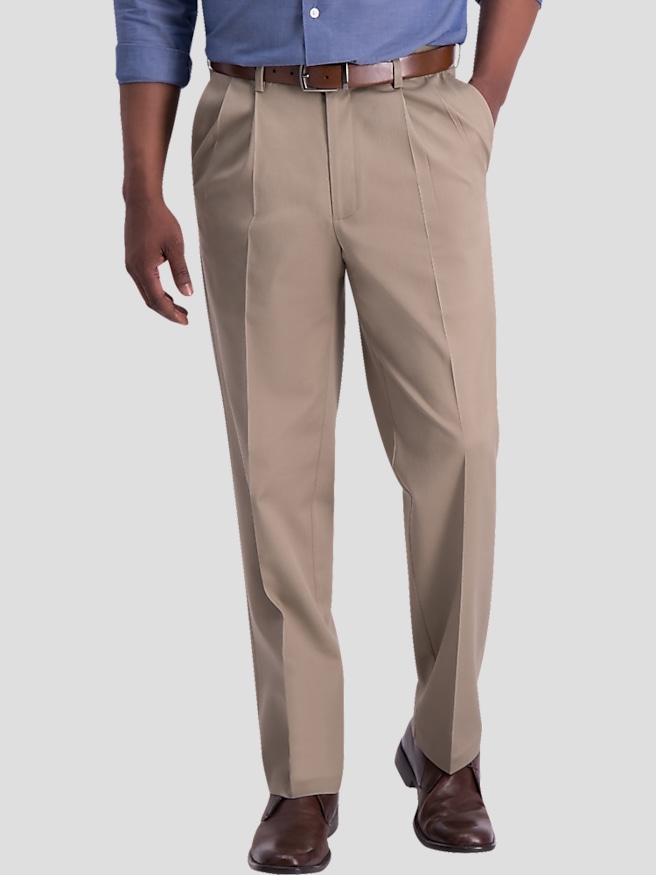
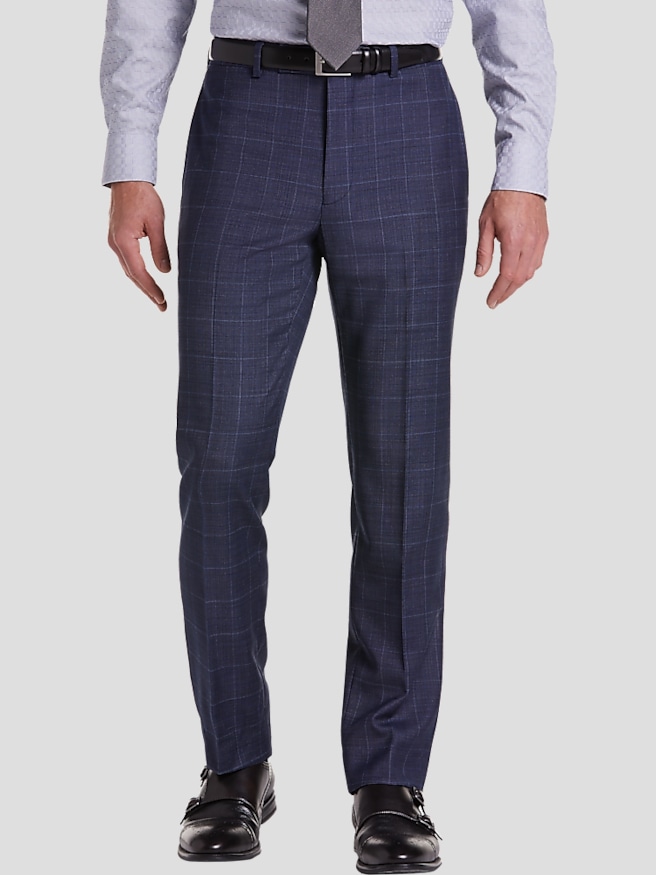
Tailored pants bring a defined shape and a polished finish to men’s everyday and dress wardrobes. The term generally describes trousers cut to follow the body with a balanced waist, a clean seat, and a deliberate leg line; it does not automatically mean custom-made or especially narrow. Ready-to-wear pants can have a tailored appearance, and alterations can refine the fit further. Slim, straight, and more relaxed silhouettes all look considered when their proportions work with the wearer’s build. A slim leg sits closer through the thigh and tapers toward the ankle, while a straight leg provides a more consistent line from the knee down. A roomier cut offers extra space without losing structure, particularly when the waistband and seat fit properly. The waistband should sit securely without relying on a tightly fastened belt, with enough comfort for sitting through a meeting or dinner. Through the seat, smooth fabric is a better sign of fit than either loose folds or visible pulling. Side pockets that flare open and horizontal tension across the front can indicate that the cut needs more room. The thigh and knee also need enough ease for walking, climbing stairs, and getting into a car. Rise, the distance between the crotch seam and waistband, affects both comfort and the overall silhouette. A higher rise can create a longer-looking leg line, while a lower rise sits closer to the hips. Flat-front construction keeps the front streamlined; pleats add room that can be useful when seated and give the trousers a fuller drape. At the hem, the break describes how the fabric meets the shoe. No break leaves a clean line with little or no fold, a slight break creates a small crease at the front, and a full break adds a more pronounced fold. The right length depends on the leg opening and footwear as much as personal preference. Excess fabric pooling around the ankle can interrupt an otherwise well-proportioned fit, while a carefully finished hem helps the entire outfit look intentional.
Fabric gives tailored pants much of their character, influencing how they hang, how they feel against the skin, and how formal they appear. Wool often provides a fluid drape, breathability, and natural wrinkle recovery, making it a familiar choice for dress trousers and business clothing. A fine, smooth weave tends to look more formal, while a visibly textured weave brings depth to a simple outfit. Cotton offers a familiar feel and a more casual character, with twill construction adding a subtle diagonal texture. Cotton trousers can develop creases during wear, which is part of their character rather than necessarily a sign of poor quality. Blended fabrics combine properties: synthetic fibers may improve abrasion resistance or shape retention, while a small amount of stretch can support movement. Stretch does not replace a good cut, however; fabric pulled tightly across the thigh or seat can still restrict comfort and distort the silhouette. Fabric weight and finish also influence the result. A substantial cloth may hold a more defined line, whereas a lighter-weight material can fall more softly and reveal fit issues more readily. Navy, charcoal, and medium gray work naturally with dress shirts, sport coats, and leather footwear. Subtle patterns add interest without making the trousers the focus of the outfit. For an easy neutral with a less formal feel, Tailored Khaki Pants complement blue shirts, knit polos, and textured jackets. The same general silhouette can move between settings through the pieces worn with it: a pressed shirt and dress shoes suit a client presentation, while a fine-gauge sweater and loafers create a relaxed dinner outfit. For weddings, ceremonies, or other dressier occasions, fabric, color, and the event’s dress expectations matter more than the word “tailored” alone. Separate trousers can look polished with a complementary jacket, but they do not create a matching suit simply because the colors are similar.
Construction and care help tailored pants keep their shape through repeated wear. Secure seams, neatly finished hems, and a waistband that stays flat contribute to a consistent appearance. Pocket openings should lie smoothly, and closures should fasten without strain. Partial linings can help the fabric slide comfortably over the thigh, while finished interior seams reduce fraying at exposed edges. These details matter during ordinary use, from carrying a phone to sitting at a desk, although overfilled pockets can pull the trousers out of shape regardless of construction. Durability depends on the fabric, the workmanship, the fit, and the way the pants are maintained. A cut with adequate room places less stress on seams and high-friction areas than one that is continually stretched tight. Rotating between pairs also gives garments time to air out between wears. Care requirements vary, so the garment’s label is the most reliable source for washing, drying, and professional cleaning instructions. Some fabrics tolerate machine washing, while others require more specialized care; a wool blend should not be treated like washable cotton without checking. Excessive heat can damage fibers, affect stretch recovery, or create an unwanted shine when pressing. A pressing cloth and an appropriate temperature help protect the surface when ironing is permitted. Hanging trousers neatly supports their shape and keeps the hem from becoming crushed. A front crease can emphasize the vertical line of dress trousers, though not every style needs one. Tailored pants are useful for professionals, graduates building a work wardrobe, wedding guests, and anyone who prefers a more finished alternative to casual denim. As a gift, they are easiest to select when the recipient’s waist size, inseam, preferred rise, and usual leg shape are known. Those measurements are more dependable than guessing from another clothing category. Whether worn for an important introduction or an ordinary day at the office, well-fitting trousers offer polish without sacrificing the freedom to move comfortably.