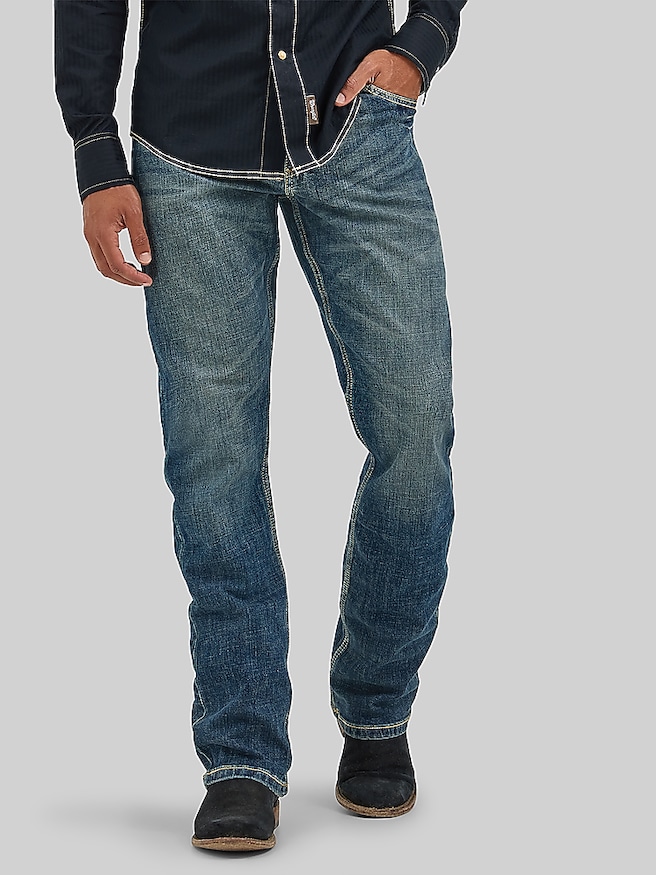
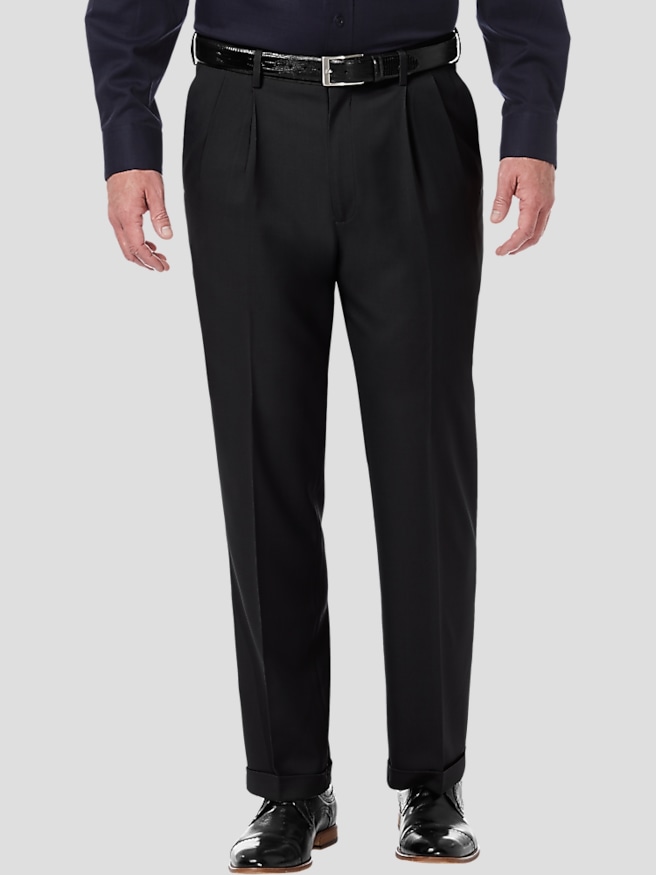
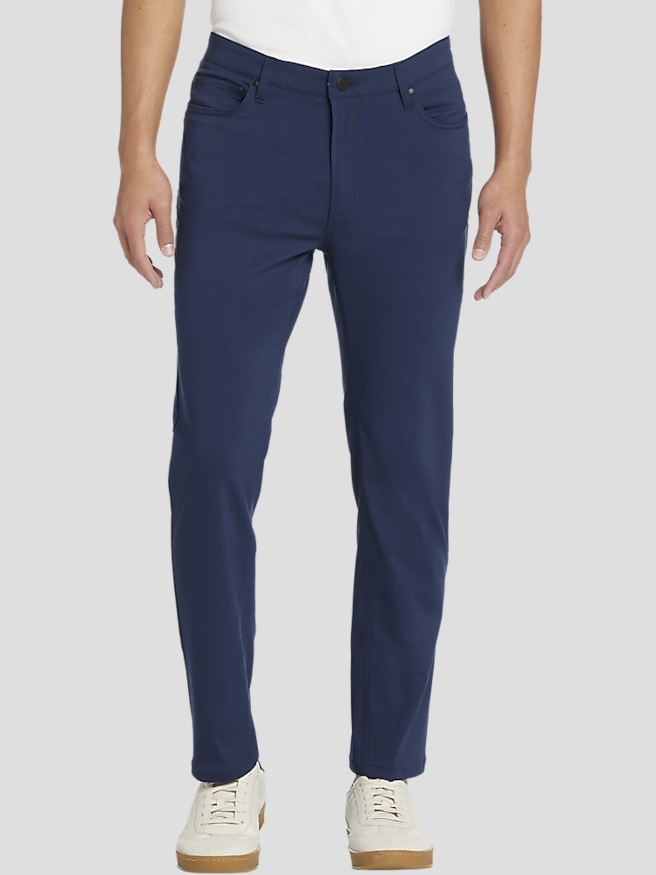
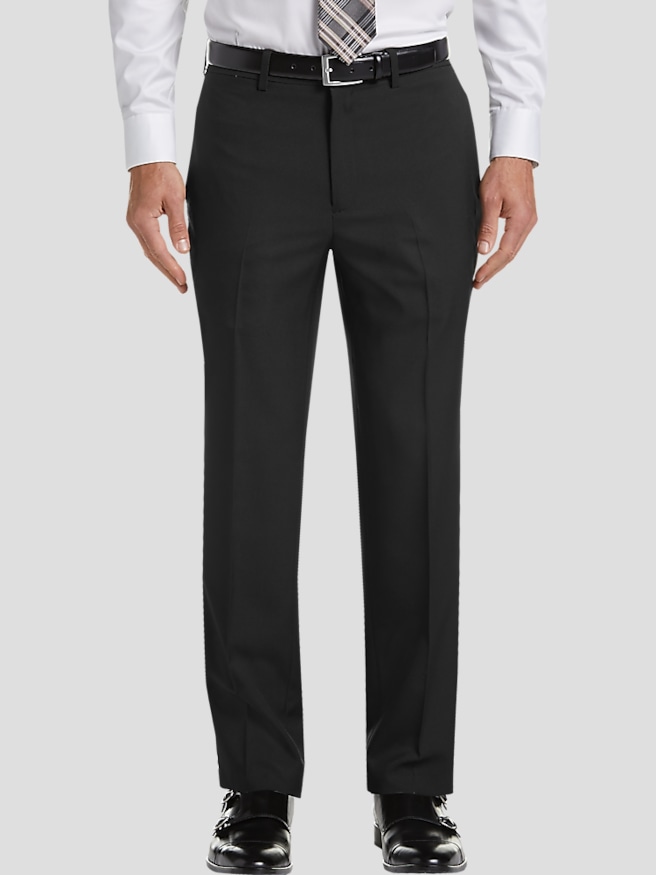
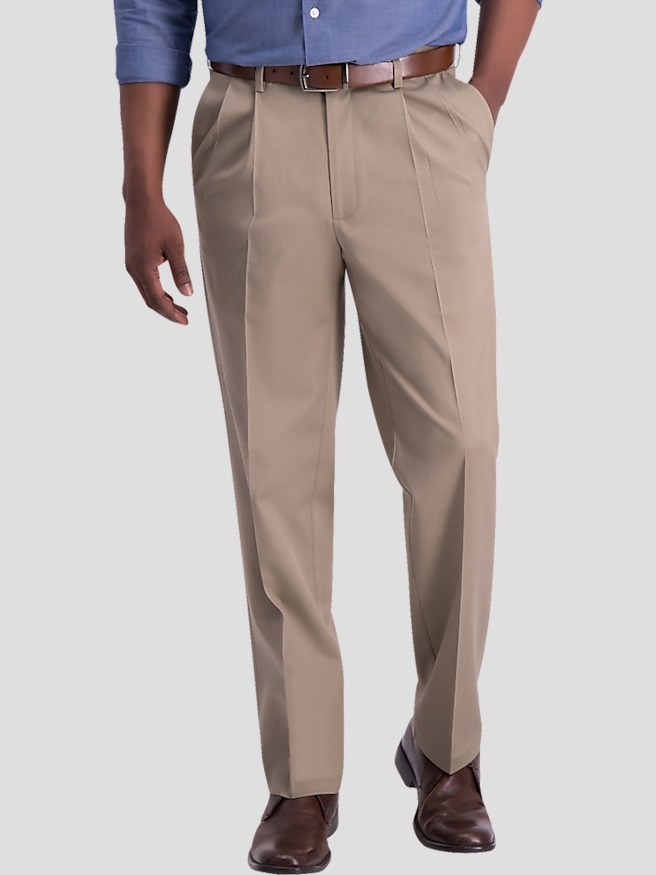
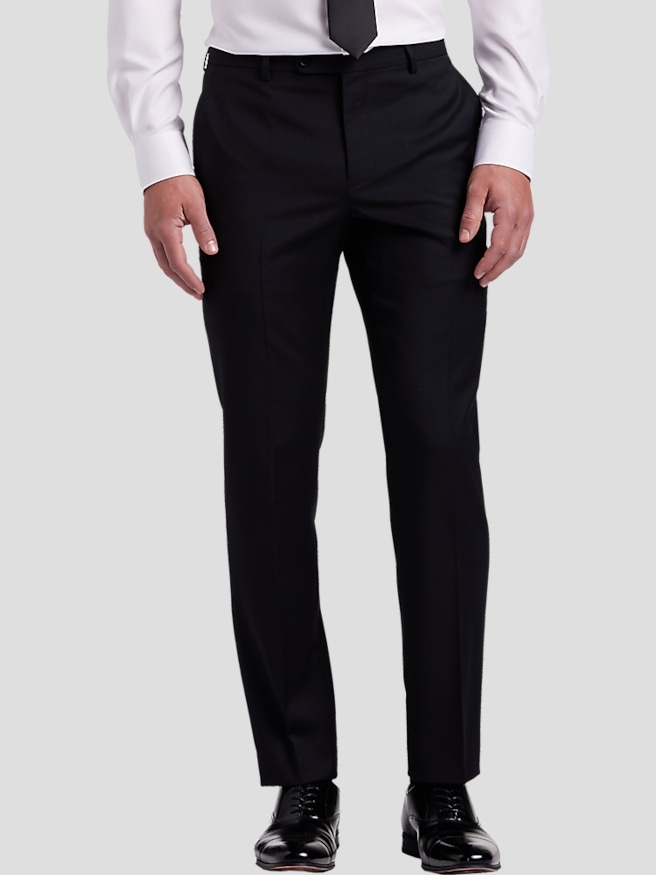
Tailored casual pants combine the clean lines of dress trousers with the comfort and versatility of everyday clothing. Their defining quality is a considered silhouette: a waistband that sits neatly, fabric that falls smoothly through the seat and thigh, and a leg shape that looks intentional rather than oversized or restrictive. Unlike suit trousers, which are designed as part of a matching outfit, tailored casual pants work independently with shirts, knitwear, and jackets in contrasting fabrics. They suit offices with relaxed dress codes, dinners out, family gatherings, and days that involve moving between a desk and appointments around town. The word “tailored” describes a refined shape and finish; it does not necessarily mean a garment is custom-made or has already been altered. Slim, straight, and more generously cut pants can all have a tailored appearance when the proportions work with the wearer’s build. A slim leg creates a close, streamlined outline, while a straight leg leaves more room through the calf without losing structure. For men with fuller thighs, adequate space through the upper leg often produces a cleaner result than choosing a narrow cut and stretching the fabric across the pockets. The rise matters just as much as leg width because it determines where the waistband rests and how comfortably the pants fit while seated. A well-fitting pair should stay in place without a belt being pulled tight, and the front pockets should lie reasonably flat rather than flare outward. At the hem, a slight break allows the fabric to rest gently on the shoe, while little or no break gives the ankle a crisper finish. Neither approach is universally better; the right length depends on the leg opening, footwear, and preferred silhouette. These small proportional choices explain why two pairs with the same waist measurement can look and feel quite distinct, especially during a full day of sitting, walking, and standing.
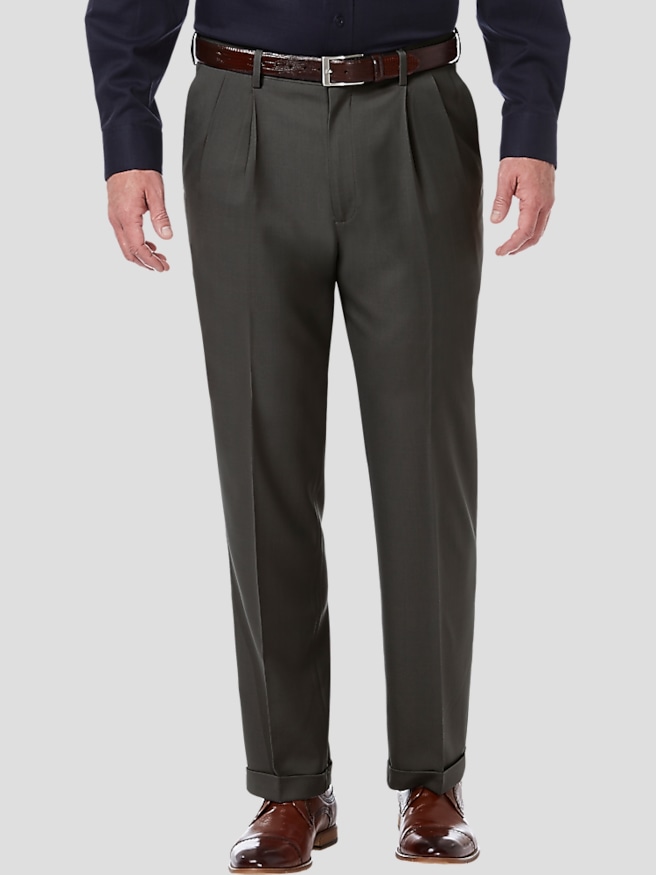
Fabric gives tailored casual pants much of their character, influencing everything from surface texture to how the knees look after several hours of wear. Cotton twill is a familiar foundation because its diagonal weave offers substance with an easygoing appearance. Chino-style fabrics generally have a smoother, more understated finish that pairs naturally with an oxford shirt or a fine-gauge sweater. Brushed cotton has a softer surface, while corduroy introduces visible texture through its raised ribs. Finer ribs tend to create a subtler effect, making them useful when an outfit needs depth without a pronounced pattern. Wool and wool-blend fabrics can bring a fluid drape and a more trouser-like finish, though their care requirements may differ from those of washable cotton. Blends containing synthetic fibers may improve shape retention or resistance to wrinkling, depending on the fabric and construction. A small amount of elastane can add give for bending or sitting, but stretch should complement a good fit rather than compensate for a waistband or thigh that is too tight. Fabric weight also changes the way pants hang: a more substantial cloth often holds its outline, while a lighter cloth may move more freely and reveal fit issues more readily. Construction deserves equal attention. Even stitching, neatly finished seams, secure pocket openings, and a firmly attached waistband contribute to a garment’s usefulness over repeated wear. Areas subject to friction, particularly the seat, inner thighs, and pocket edges, benefit from sound construction and sufficient room to move. Flat fronts offer an uncluttered appearance, while pleats can provide additional ease and a fuller drape when they remain closed at rest. A pressed crease sharpens the leg line, whereas an uncreased finish feels less formal. None of these details alone determines quality; the strongest combination is a fabric, cut, and finish suited to how the pants will actually be worn.
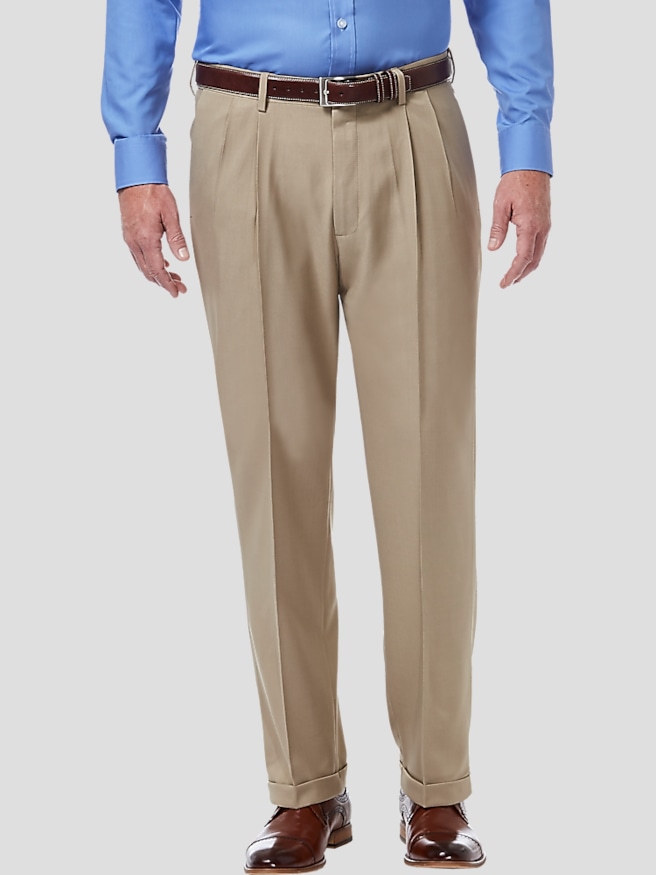
The versatility of tailored casual pants becomes clearest in everyday outfits. Navy pants with a pale blue button-down and brown loafers feel composed for a workplace without requiring a suit. Charcoal pants with a knit polo create a quieter, tonal look, while an olive pair can soften the formality of an unstructured jacket. Neutral colors make coordination straightforward, but the depth and texture of each shade matter: a matte cotton fabric reads more casually than a smooth cloth with a noticeable sheen. For a lighter neutral with a similarly polished shape, Tailored Khaki Pants fit naturally alongside white shirts, navy knitwear, and leather footwear. A tucked shirt puts the waistband and rise in view, so smooth fabric around the hips helps the outfit look finished. An untucked shirt works best when its length does not overwhelm the pants’ proportions. Clean, understated sneakers can make the same silhouette feel relaxed, while loafers or lace-up shoes bring it closer to business casual. For travel days that end with dinner or a meeting, comfort through the seat and knees is especially useful, and wrinkle resistance may help the fabric look presentable after sitting. Care is part of keeping that versatility intact. The garment’s care label should determine whether washing or professional cleaning is appropriate, since fiber content, finishes, and internal construction affect what the pants can tolerate. For washable fabrics, following the recommended cycle and drying method helps limit unwanted shrinkage and surface wear. Excessive heat can affect some stretch fibers, and ironing settings should match the fabric rather than default to the highest temperature. Emptying pockets before cleaning, treating marks promptly according to care instructions, and hanging pants neatly between wears can help preserve their shape. Men building a dependable everyday wardrobe often value this balance of polish and practicality. As a gift for a partner, father, or graduate starting a new job, tailored casual pants are most useful when the recipient’s measurements, preferred rise, and usual leg shape are known. The lasting appeal is simple: a comfortable pair that looks equally at home beneath a jacket or beside a favorite casual shirt.