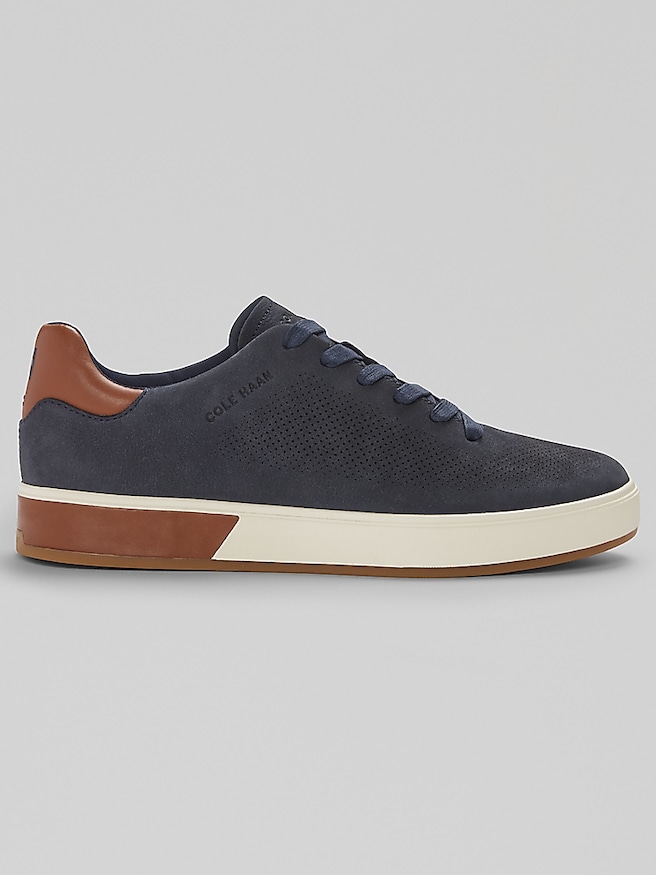
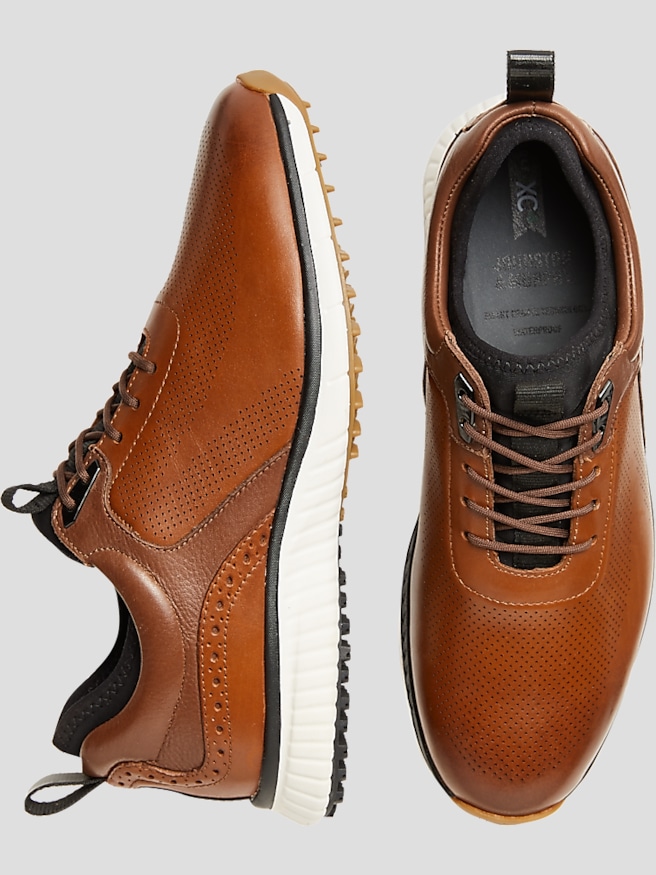
Supportive sneakers combine cushioning, a secure fit, and a stable foundation to make everyday walking and extended time on your feet more comfortable. Cushioning helps soften the sensation of each step, while supportive construction helps hold the foot securely over the sole. Those qualities work together, but they are not interchangeable: a very soft shoe can feel comfortable at first without providing the steadiness needed for a full day of movement. A contoured footbed, structured heel, and broad contact area underfoot can contribute to a more balanced feel, depending on the design and the wearer’s foot shape. The result should feel comfortable through ordinary moments, from walking between train platforms to standing through a presentation or taking the long route across an office campus. For men whose schedules move between a desk, a commute, and errands, supportive everyday sneakers offer a practical middle ground between athletic footwear and more formal shoes. Streamlined silhouettes in understated colors can sit neatly beneath chinos, casual trousers, or dark denim, while textured uppers add interest without making an outfit feel overly sporty. A low-profile shape often works well in a relaxed office; a more substantial sole may suit casual outfits and longer stretches of walking. Appearance alone, however, does not reveal how supportive a sneaker will feel. Heel structure, underfoot contour, flexibility, and overall fit matter more than the height of the sole or the amount of visible padding. Walking, sightseeing, and casual daily wear also place demands on footwear that differ from those of running or court sports. Sneakers intended for everyday comfort are not automatically substitutes for activity-specific athletic shoes. The most useful balance is enough cushioning to take the edge off repeated steps, enough structure to feel steady, and enough flexibility for a natural stride. Support should feel reassuring rather than rigid, with no need to grip the toes to keep the shoe in place.
Fit determines how effectively those features work. Supportive sneakers should give the toes room to spread without allowing the heel to lift repeatedly or the midfoot to slide from side to side. A little space beyond the longest toe helps accommodate movement, especially on longer walks when feet may expand. Width matters just as much as length: sizing up to escape pressure across the forefoot can leave too much room elsewhere, while a suitable width can preserve both toe space and heel security. The shape of the toe box also makes a noticeable difference. A tapered front may press against toes even when the stated size seems correct, whereas a shape that follows the foot’s outline can feel less restrictive. Laces allow the upper to be adjusted across the instep, helping create a close fit without excessive pressure over the top of the foot. Padding around the collar can soften contact, but it should not disguise an insecure heel fit. Underfoot, arch contour is personal rather than a contest for the highest or firmest support. A comfortable footbed follows the foot without creating a hard ridge or pushing into an uncomfortable spot. Some wearers prefer moderate cushioning with a firmer platform; others feel better with a softer landing and a stable heel. For anyone who wears inserts, Orthotic Friendly Sneakers are a relevant consideration because removable footbeds and adequate interior depth can make room for an orthotic without crowding the foot. Compatibility still depends on the shoe and insert together. An orthotic that raises the heel too high or reduces toe space can change an otherwise comfortable fit. Trying footwear with the socks and inserts intended for daily use gives a more realistic sense of comfort than a quick step in unfamiliar socks. Persistent discomfort, significant foot concerns, or a prescribed orthotic may warrant an assessment by a qualified foot care professional. No single sneaker construction is the right answer for every foot, and a supportive feel should not depend on enduring pinching or pressure until the shoe softens.
Materials influence both the feel of supportive sneakers and how well they hold up to repeated wear. Mesh uppers can encourage airflow and reduce bulk, making them comfortable for busy days with plenty of walking. Knit materials often have a flexible, accommodating feel, though stretch alone does not provide heel or midfoot stability. Leather offers a more structured appearance that pairs easily with tailored casual clothing, while suede introduces a softer texture with a little more upkeep. Reinforced areas around the heel, toe, or lace openings can help the upper maintain its shape where it experiences repeated stress. Beneath the foot, foam cushioning varies in firmness and resilience, and a comfortable first impression does not tell the whole story about long-term wear. Rubber coverage in high-contact areas can help protect the outsole, while tread shape influences traction on everyday surfaces. A rubber sole should not be assumed to meet workplace slip-resistance requirements; jobs with specific footwear standards call for the appropriate documented features. Durability also depends on how sneakers are used and maintained. Repeated heel slipping, dragging at the toe, or using casual footwear for demanding athletic activity can accelerate wear. Regular rotation gives the interior time to dry between wears, and loosening the laces before taking shoes off helps preserve the heel structure. Light brushing removes loose grit, while spot cleaning should follow the material’s care instructions. Mesh, smooth leather, and suede do not all respond well to the same treatment, and direct heat can damage adhesives or distort components. Over time, flattened cushioning, a tilted stance, or tread worn smooth may signal that a pair no longer feels as supportive as it once did. For a father, brother, partner, or friend who enjoys travel, walks regularly, or spends much of the day standing, supportive sneakers can also make a thoughtful gift. Knowing the recipient’s size, width, usual activities, and preference for a softer or firmer feel makes the gesture more personal—and more likely to become part of an everyday routine.