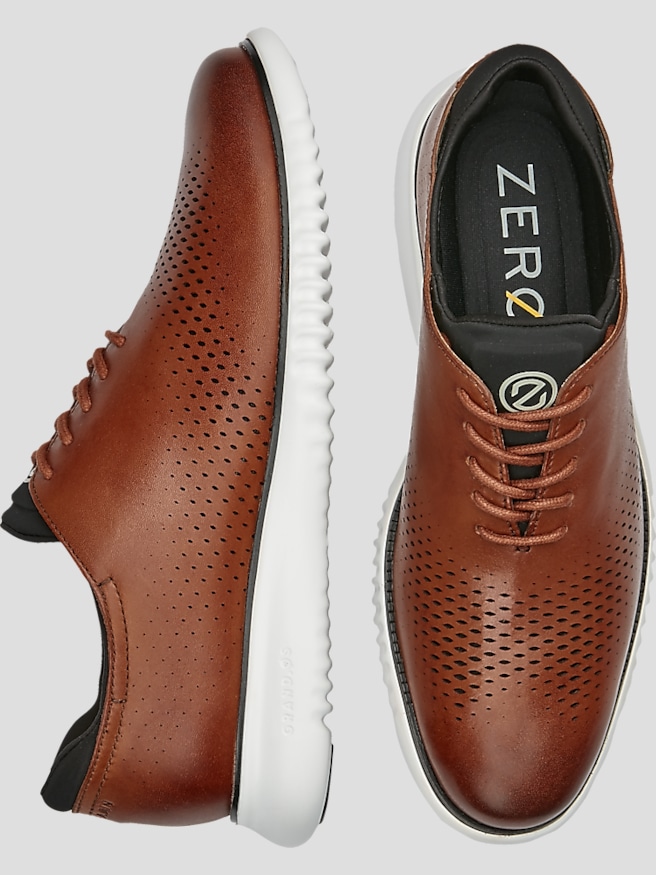
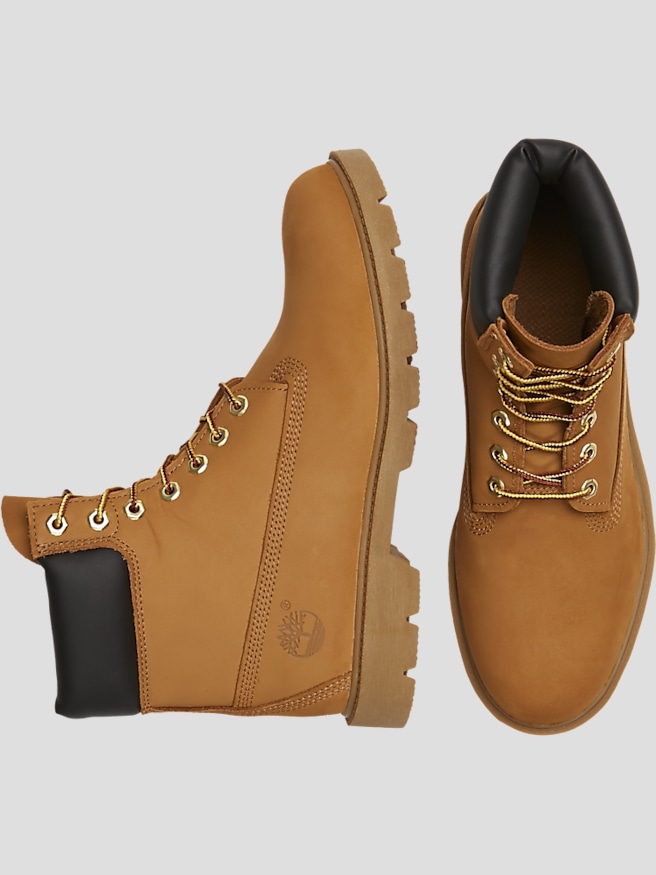
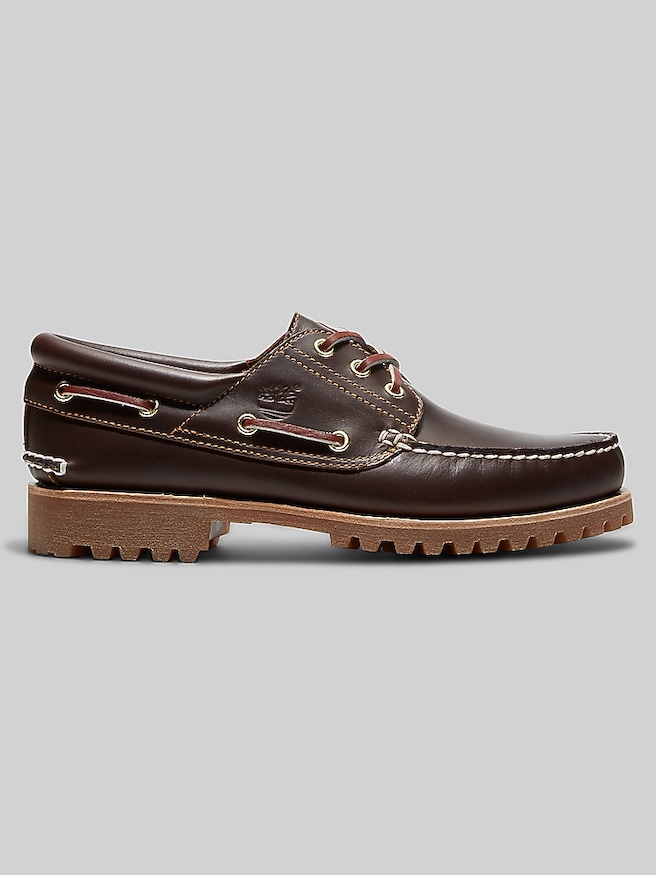
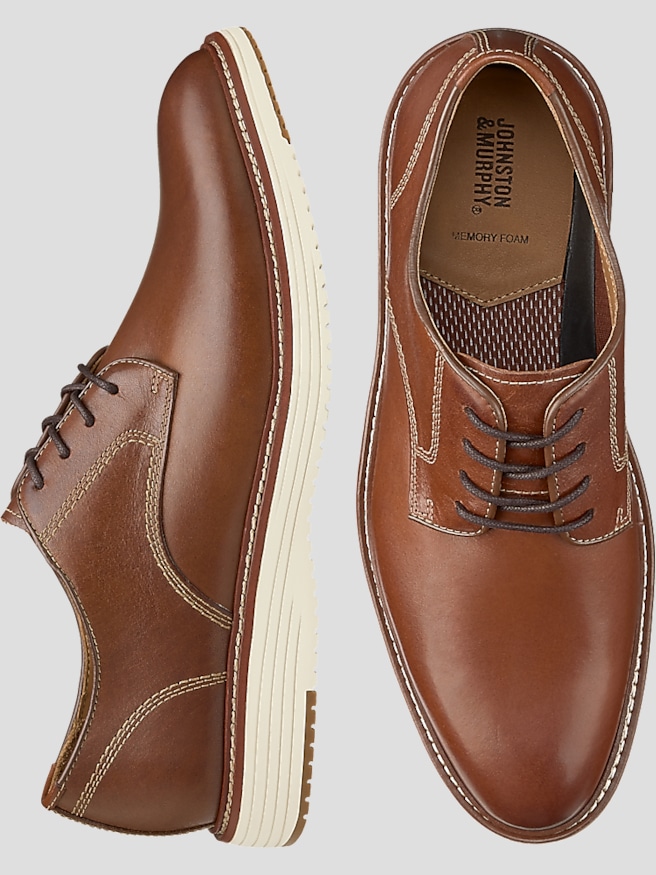
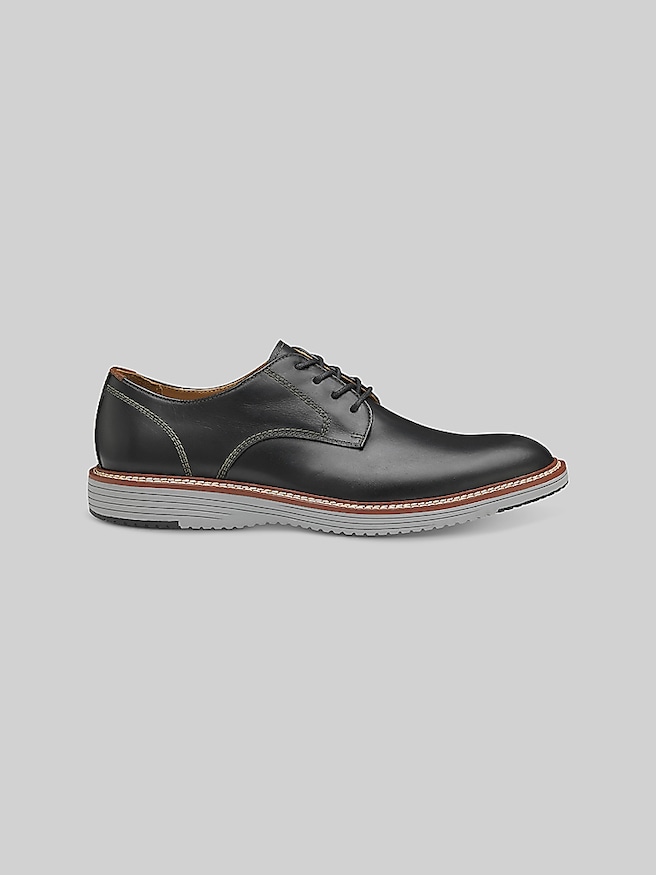
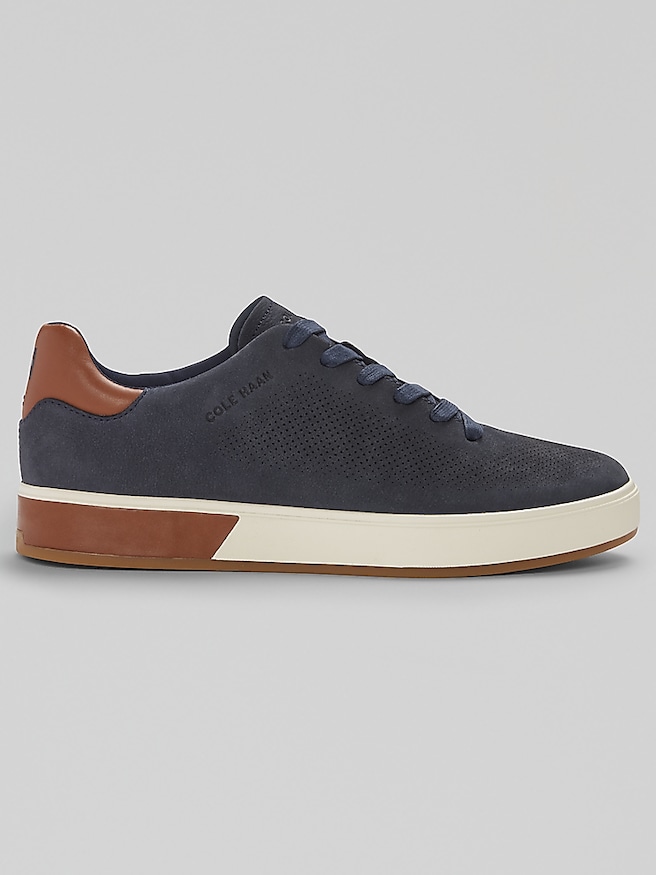
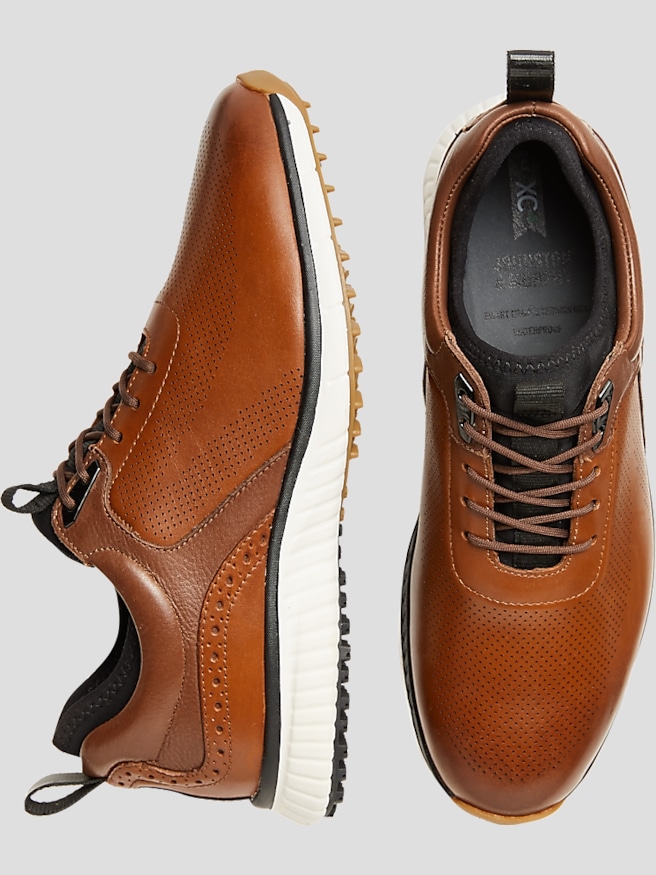
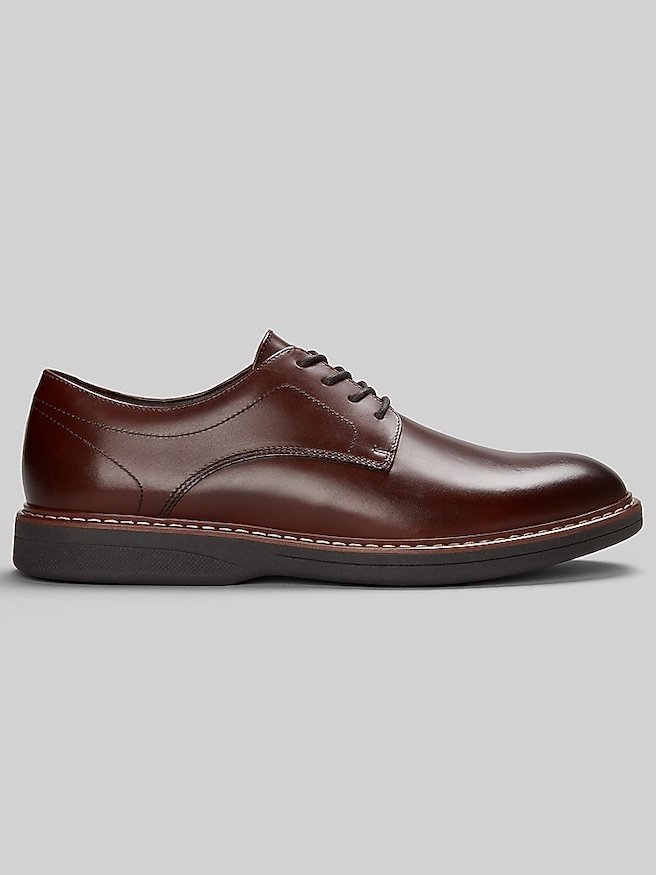
Orthotic-friendly sneakers are shoes with the interior space and construction needed to accommodate custom orthotics or over-the-counter inserts without crowding the foot. Common features include removable insoles, sufficient internal depth, a roomy toe box, and a secure heel fit. These details work together: taking out the original footbed creates space for an insert, while adequate depth helps keep the top of the foot from pressing against the upper. A broad toe area allows the toes to rest naturally rather than bunch together, and a firm heel counter—the structured section surrounding the back of the heel—can help hold the foot securely. Not every sneaker with a soft sole or cushioned lining will accommodate an orthotic well. The insert needs to sit flat inside the shoe, without curling at the edges, rocking underfoot, or pushing the heel too high above the collar. Compatibility also depends on the shape and thickness of the orthotic, so a shoe that works with a slim insert may feel tight with a deeper, more substantial one. For men who use prescribed orthotics, the footwear recommendations provided by their clinician remain an important part of choosing a suitable pair. For everyday wear, the appeal is straightforward: familiar sneaker styling with room for the support already used at work, on walks, or while traveling. A morning commute might involve several blocks of sidewalk, a stretch of standing on a train, and another walk across an office campus. An orthotic-compatible sneaker should accommodate that routine without making the foot feel squeezed or loosely held. Cushioning can soften the feel of each step, but it is distinct from the structure supplied by an orthotic. The broader Supportive Sneakers category is relevant for shoppers comparing cushioning, heel structure, and underfoot stability, while orthotic compatibility adds another requirement: enough usable space for the intended insert. That balance between room and security matters more than an especially plush first impression.
Fit is best assessed with the orthotics and socks that will actually be worn, since both affect how much space remains inside the sneaker. A removable full-length insole often makes the transition simpler, although the correct setup depends on the insert and any instructions supplied with it. Stacking an orthotic over the original footbed can crowd the shoe and lift the heel, so that arrangement should not be assumed to work. With the intended setup in place, the toes should have room to spread and move, the midfoot should feel comfortably held, and the heel should stay seated during an ordinary stride. A wider size can provide useful room across the foot, but width alone does not guarantee enough depth above an orthotic. Likewise, sizing up in length to solve a tight fit can leave excess space at the front and allow unwanted movement. Adjustable laces offer a practical advantage because tension can be fine-tuned across the instep rather than applied equally everywhere. A padded tongue may help soften contact beneath the laces, while a collar that sits comfortably around the ankle can make repeated steps feel less distracting. Try-on time should include walking and turning, not just standing still: an insert that feels unobtrusive at rest may shift or press against the arch once the foot moves. Feet can swell through the day, making a later-day fitting useful for sneakers intended for lengthy wear. Intended use matters just as much as fit. Casual walking, standing at a workstation, and running place distinct demands on footwear; a lifestyle sneaker that accommodates an orthotic is not automatically suitable for athletic training. Running calls for activity-appropriate construction, and workplace requirements may include documented slip resistance rather than a visibly textured sole alone. During the cooler months, slightly thicker socks can change the fit enough to notice, particularly over the instep. The most useful fit leaves comfortable breathing room without allowing the foot to slide inside the shoe.
Materials influence how orthotic-friendly sneakers feel, look, and hold up across repeated wear. Mesh and knit uppers can offer airflow and some flexibility, useful when feet feel warm after a long walk or several hours indoors. More structured uppers may provide a firmer sense of hold, while leather can bring a clean, understated finish that pairs naturally with chinos, dark denim, and relaxed office clothing. Neither material choice guarantees orthotic compatibility; interior shape and the way the shoe secures the foot still determine whether the combination works. Smooth linings and thoughtfully placed seams are worth attention because an orthotic can change where the foot contacts the inside of the shoe. Underfoot, cushioning affects step-in softness, while outsole construction contributes to traction and wear resistance. Rubber coverage at frequently worn areas, such as the heel and forefoot, can help protect the sole during routine pavement use. Some forefoot flexibility can support a natural walking motion, but a shoe that twists or collapses too easily may feel less steady with an insert inside. Care should follow the footwear maker’s instructions, with surface dirt brushed away gently and cleaning methods matched to the upper material. After damp commutes or extended wear, allowing sneakers to air-dry away from direct heat helps protect their shape and components. Removable footbeds and orthotics may have separate cleaning requirements, particularly when an insert contains specialized materials or layered construction. Checking the interior periodically for worn lining, trapped grit, or a footbed that no longer lies smoothly can catch small sources of irritation. Uneven outsole wear, compressed cushioning, and a softened heel structure are reasons to reassess comfort and support rather than relying only on how the upper looks. For travel, everyday errands, or a workplace with a casual dress code, understated orthotic-compatible sneakers can blend into a practical wardrobe without a distinctly athletic appearance. They can also be a thoughtful gift for someone who already wears inserts, provided the recipient can confirm the fit with their own orthotics. The lasting value is in a comfortable, secure combination suited to the wearer’s actual routine.