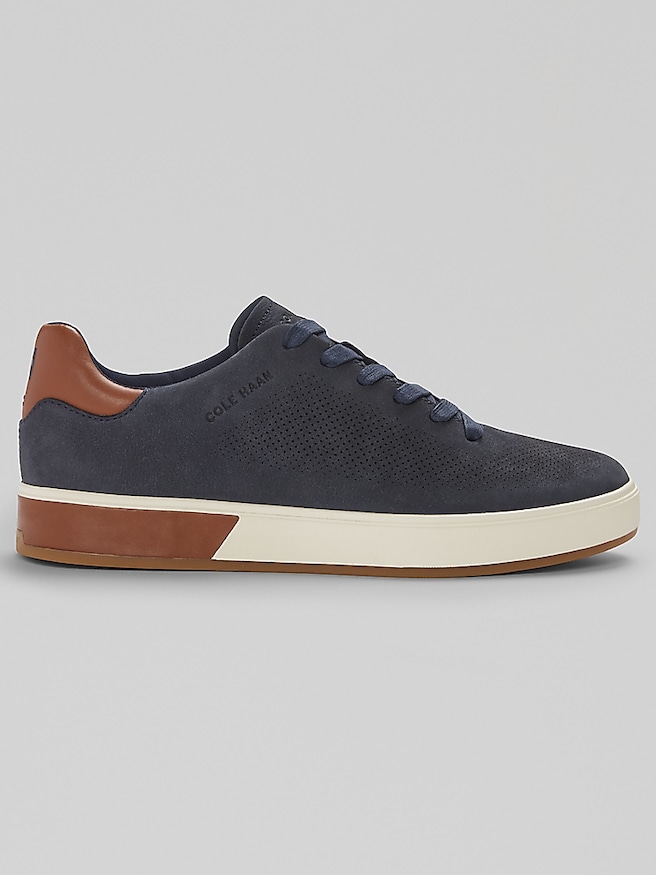
Sporty sneakers combine athletic-inspired design with the comfort and versatility of everyday casual footwear. They often feature cushioned midsoles, flexible uppers, and rubber outsoles, but a sporty appearance does not automatically make a shoe suitable for running or intensive training. Some designs are built around a specific activity; others bring the look of athletic footwear to commuting, travel, and relaxed everyday dressing. That distinction matters when choosing a pair for a morning walk, a day spent moving between appointments, or a casual dinner after work. Materials help shape both the feel and the overall character of the shoe. Mesh uppers can encourage airflow and keep the construction lightweight, while knit fabrics may offer a softer, more adaptable feel across the top of the foot. Leather creates a smoother, more structured appearance that pairs naturally with chinos or dark denim. Suede adds a softer texture, though it usually needs more careful cleaning than smooth leather or many synthetic materials. Mixed-material designs can combine breathable panels with overlays that reinforce areas around the toes, laces, and heel. Underfoot, cushioning helps soften contact with the ground, while the shape and firmness of the midsole affect how stable or responsive a sneaker feels. A plush step-in feel can be appealing, but the softest option is not necessarily the most comfortable over several hours. Outsoles matter just as much: rubber coverage in high-wear areas can help protect the cushioning beneath, and tread patterns influence grip on the surfaces a shoe was designed to handle. Deep grooves, a chunky profile, or bold color blocking may suggest athletic performance without establishing it. For everyday wear, the most useful balance is often a comfortable fit, dependable construction, and a shape that works with clothing already in regular rotation. A streamlined silhouette offers a quieter look, while a more substantial sole gives casual outfits a stronger athletic emphasis without requiring the rest of the outfit to look like workout gear.
Fit determines whether sporty sneakers become a dependable everyday choice or a pair that stays by the door. The forefoot should have room to spread naturally without sliding from side to side, and the toes should not press against the front during an ordinary walking stride. A little space beyond the longest toe is useful, but extra length cannot compensate for a shoe that is too narrow through the ball of the foot. The heel should feel secure rather than lifting noticeably with each step, and the upper should hold the midfoot without creating pressure across the instep. Laces allow some adjustment, although tightening them aggressively is rarely a good answer to the wrong shape or size. Trying sneakers with the socks intended for regular wear gives a more realistic sense of the fit, especially when comparing thin casual socks with thicker athletic pairs. Anyone who uses an orthotic should also consider interior depth and whether the original footbed is removable. Walking a few laps and changing direction can reveal rubbing, toe pressure, or an unstable heel that standing still may not expose. Intended use deserves the same attention. Running footwear is designed around repeated forward motion, while training footwear may place more emphasis on a stable base and support during lateral movements. Casual sporty sneakers can be well suited to errands, sightseeing, and everyday walking, but those activities do not require the same construction as a dedicated workout. For clothing combinations, low-profile shapes sit comfortably beneath straight-leg jeans and chinos, while fuller silhouettes can balance relaxed trousers or joggers. A hem that rests near the top of the shoe keeps the proportions clear instead of hiding the sneaker beneath excess fabric. Neutral colors tend to blend easily with a broad wardrobe; contrasting panels or textured uppers can make the footwear a focal point. For a cleaner, less athletic-looking alternative, Modern Sneakers offers a related direction to consider. In workplaces that permit casual footwear, understated sneakers can complement an unstructured jacket and tailored pants, provided the overall outfit respects the dress code.
Regular care helps sporty sneakers retain their shape, appearance, and usefulness, particularly when one pair handles a busy mix of commuting, walking, and social plans. The appropriate method depends on the upper material and the manufacturer's care instructions. Loose surface dirt is generally easier to remove before it becomes worked into seams and textured panels. A soft brush is useful for dry debris, while many smooth leather and synthetic surfaces can be wiped gently with a lightly damp cloth. Mesh and knit require a careful touch so the fabric does not snag or stretch, and suede calls for tools and cleaning products intended for its nap. Saturating a shoe can affect adhesives, finishes, or internal components, so machine washing should not be assumed safe. Letting sneakers dry naturally away from direct heat helps protect their construction; removable insoles and loosened laces can improve airflow inside. Cleaning laces separately, when their care instructions permit, can also freshen the appearance without aggressively scrubbing the entire upper. Durability depends on more than whether the outside still looks tidy. Rubber worn smooth in key contact areas, a heel that no longer holds its shape, or cushioning that feels noticeably less comfortable can signal that a pair is no longer serving its purpose as well. Alternating footwear gives each pair time to air out and makes it easier to notice changes in feel. Sporty sneakers can also make a practical gift for a graduate starting a more mobile routine, a frequent traveler, or someone who prefers athletic details in everyday clothing. The best match reflects the recipient's usual fit, preferred colors, and actual activities rather than an assumed interest in sports. Familiar sizing is a helpful starting point, though fit can vary between constructions and silhouettes. Whether chosen for personal wear or as a gift, a versatile pair should feel comfortable in motion, suit its intended setting, and be straightforward to maintain through repeated wear.