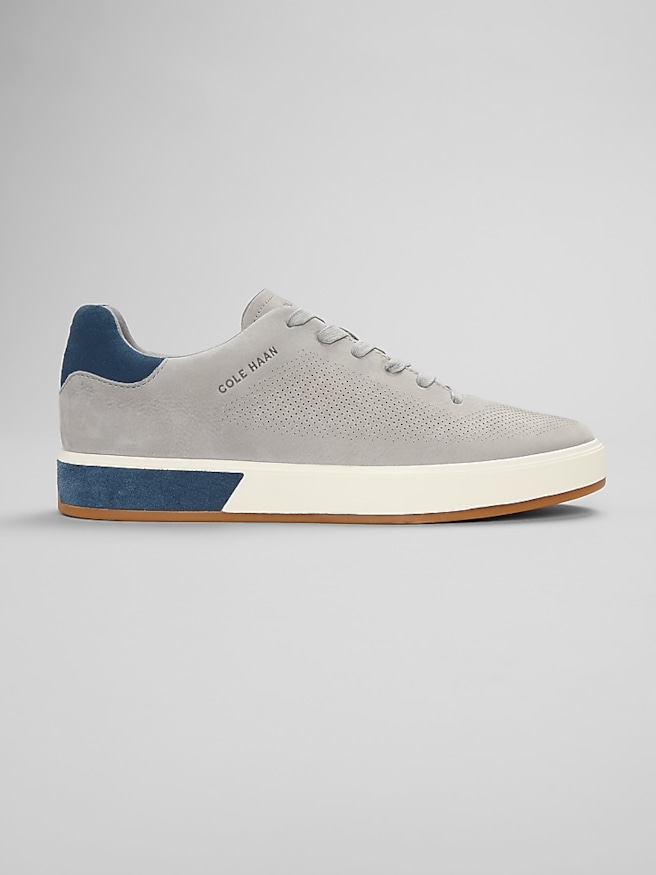
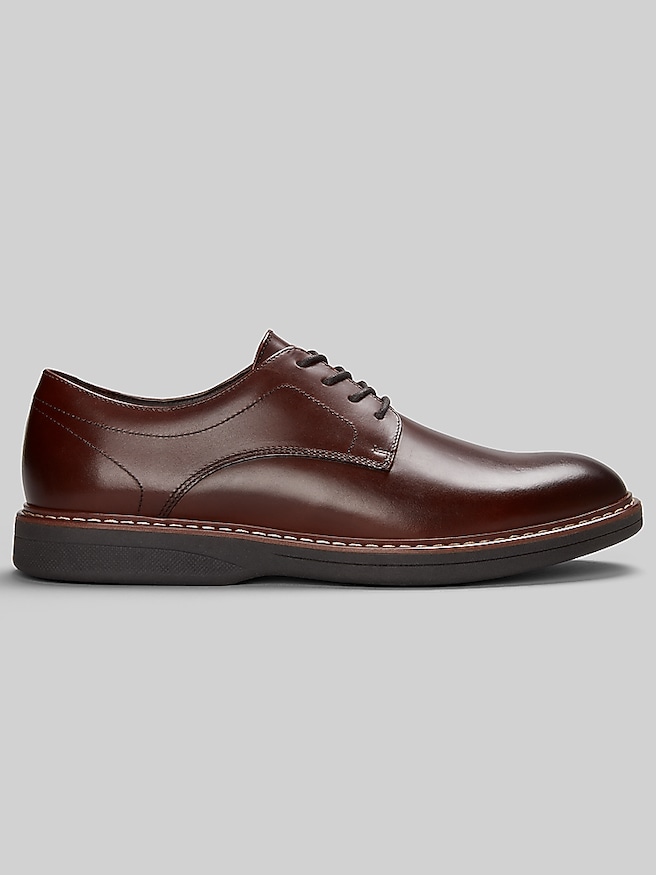
Modern sneakers bring athletic-inspired construction into everyday footwear, combining streamlined shapes, cushioned interiors, and versatile colors with details that work beyond the gym. Their character comes from the balance between comfort and proportion: a low-profile leather sneaker looks understated beneath tailored trousers, while a layered mesh silhouette gives straight-leg denim a more relaxed, sport-influenced finish. The appeal of Modern Men's Sneakers is that range, from simple lace-ups with tonal stitching to sculpted soles and contrasting panels that become a focal point of an outfit. Minimalist designs typically keep branding, overlays, and color changes restrained, allowing the shape and texture of the shoe to do more of the work. Retro-inspired runners take a more expressive approach, pairing curved panels, open mesh, and substantial midsoles with familiar athletic proportions. Neither approach needs an elaborate outfit. A clean white or off-white sneaker can brighten dark denim and an untucked button-down, while black, navy, gray, and brown shades create a quieter transition from pants to shoes. Low-top silhouettes leave the ankle area uncluttered and sit comfortably beneath many trouser openings. Higher collars add visual weight and may feel more enclosed around the ankle, though collar height alone does not establish support. Sole thickness matters visually, too. A slim sole complements a narrow or gently tapered pant leg; a broader sole often looks more balanced beneath straight or relaxed cuts. For offices that allow sneakers, smooth uppers, subtle stitching, and a tidy outsole generally feel more polished than heavily patterned athletic styling. Unstructured jackets, knit polos, and chinos share that easy balance of dressed-up and casual. More expressive sneakers suit relaxed gatherings, travel days, and off-duty outfits where texture or contrast feels at home. The strongest combinations look intentional without appearing overly coordinated: a suede panel might echo the softness of a knit shirt, or a dark outsole might connect naturally with charcoal trousers.
Materials influence how modern sneakers look, feel, and hold up to repeated wear. Smooth leather offers a defined surface that can often be wiped clean, though its flexibility and break-in period vary with thickness, finish, and construction. Suede has a softer, more textured appearance that works especially well with denim, twill, and other fabrics with visible character, but it needs a lighter touch when cleaning. Mesh allows airflow through the upper and can reduce bulk, making it appealing for long stretches of casual wear. Knit constructions may feel flexible and accommodating across the forefoot, while structured overlays can help the upper retain its shape. Synthetic materials vary widely; some create a smooth, uniform finish, while others reinforce areas that receive frequent friction. Inside the shoe, lining texture, seams, and footbed shape can matter as much as the outer material. A cushioned midsole can soften the feeling underfoot, but softness alone does not guarantee lasting comfort. Some feet feel better on a firmer, more stable platform, especially during extended periods of standing. Fit should leave room for the toes to move without allowing the foot to slide forward, and the heel should remain reasonably secure during a normal stride. Pressure across the widest part of the foot, pinching near the little toe, or rubbing at the collar suggests a shape or size mismatch rather than something to ignore. Trying sneakers with the socks intended for everyday use gives a more useful sense of fit than relying on the size printed inside another pair. Feet can expand with activity, so a comfortable fit should accommodate normal movement without feeling restrictive. Laces allow small adjustments across the instep, but they cannot correct an unsuitable width. For anyone using orthotics, sufficient interior depth and a removable footbed may be important considerations, when those features are present. Outsole tread and flexibility deserve attention as well: traction depends on the material, tread pattern, surface, and wear, not simply on how substantial the sole looks.
Everyday sneakers are best understood by their intended use rather than athletic appearance alone. A running-inspired silhouette can be comfortable for errands, a casual commute, or a full afternoon spent walking through a museum without being designed for distance running or demanding workouts. Dedicated exercise calls for footwear suited to that activity, with appropriate stability, cushioning, and traction. For daily wear, durability often comes down to practical details: reinforcement around high-friction areas, secure stitching, a well-attached outsole, and an upper that maintains its shape. Even sturdy construction benefits from consistent care. Loose dirt is easier to remove before it becomes embedded, and a soft brush or cloth is usually a sensible starting point when used according to the material’s care directions. Smooth leather may need a suitable cleaner and, where recommended, a conditioner; suede generally calls for a dedicated brush and products intended for its textured surface. Mesh and knit uppers need gentle handling so scrubbing does not pull fibers or distort their shape. Machine washing is not appropriate for every sneaker, even when the upper looks like fabric. Manufacturer instructions should determine the cleaning method, and direct heat can damage adhesives or alter materials. Letting shoes dry fully between wears helps manage moisture inside, while alternating pairs gives linings and footbeds time to air out. Cleaning laces separately when permitted and wiping the edges of the soles can restore a neat appearance without aggressive treatment. That attention matters when sneakers are part of a polished casual outfit, where scuffed edges or soiled laces stand out against crisp trousers. As a gift, modern sneakers can suit a graduate building an everyday wardrobe, a frequent traveler, or someone who enjoys relaxed tailoring. Familiarity with the recipient’s size, preferred width, usual colors, and taste in sole shape makes the choice more personal. A simple neutral silhouette supports a restrained wardrobe, while layered textures and bolder proportions suit someone who likes footwear to carry more personality. The most useful pair fits both the foot and the routines surrounding it.