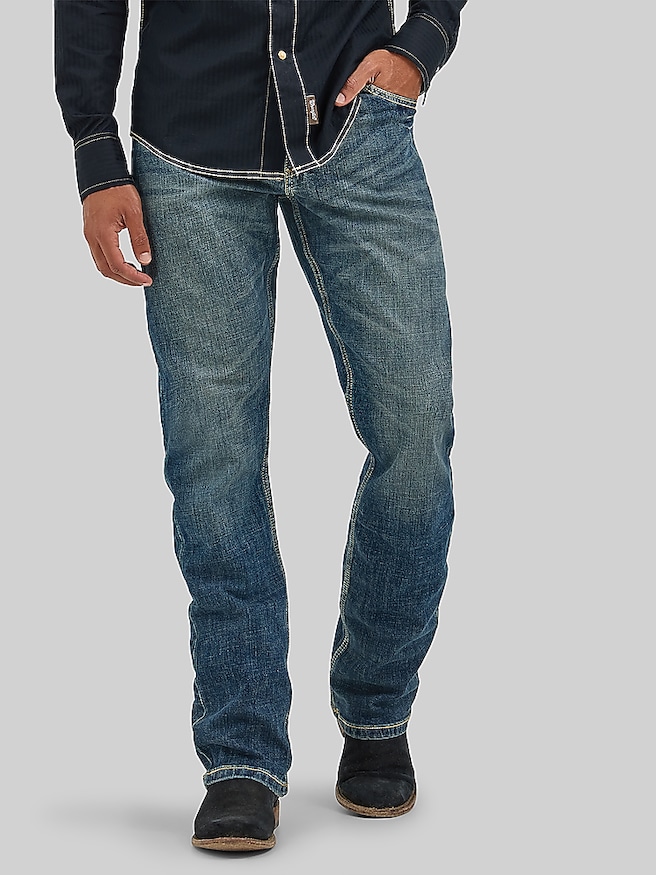
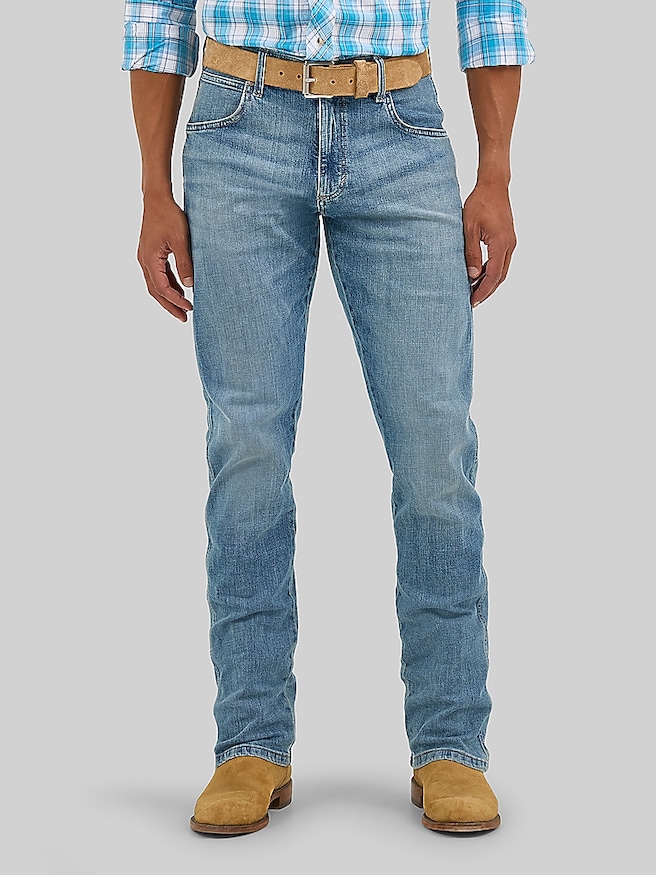
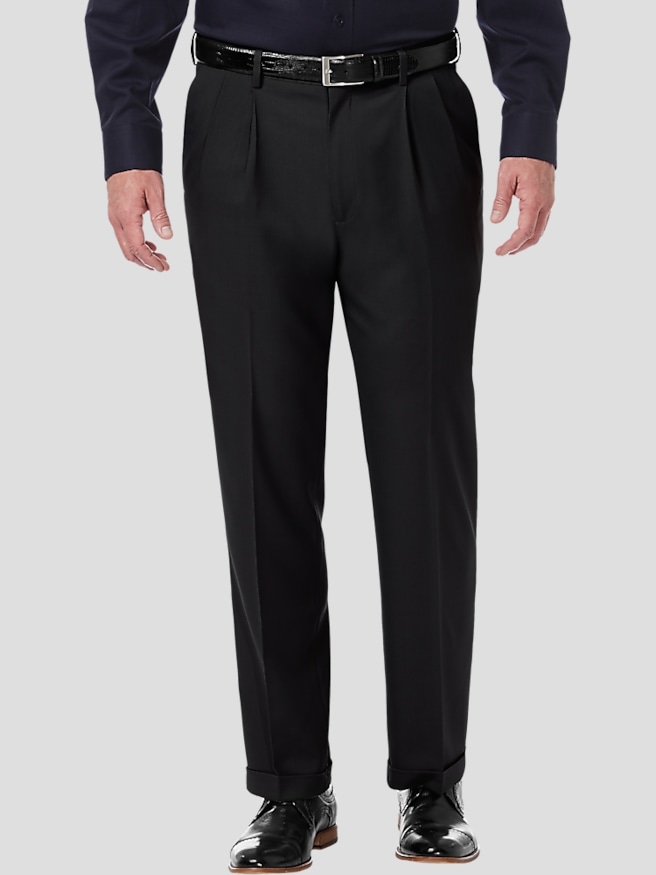
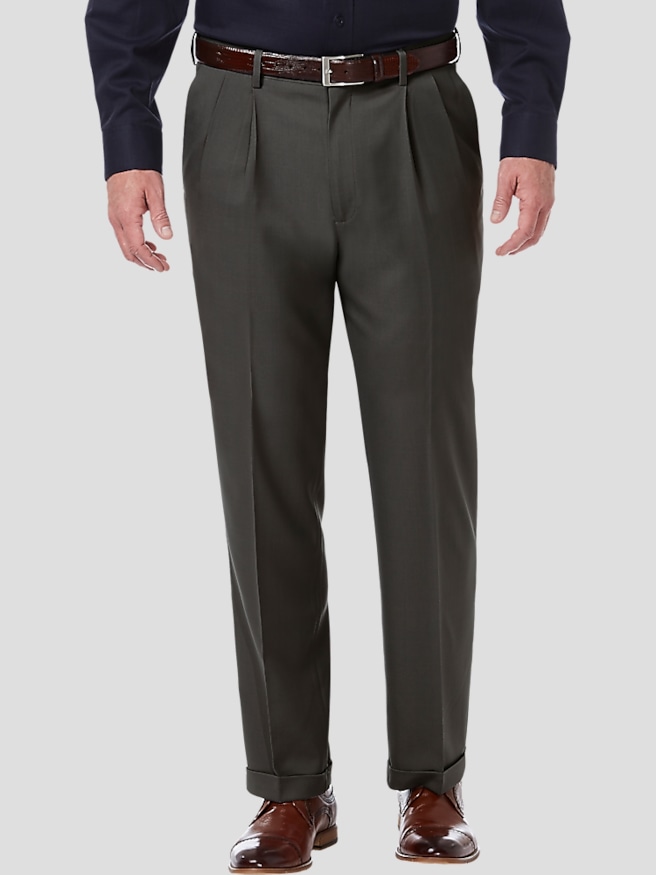
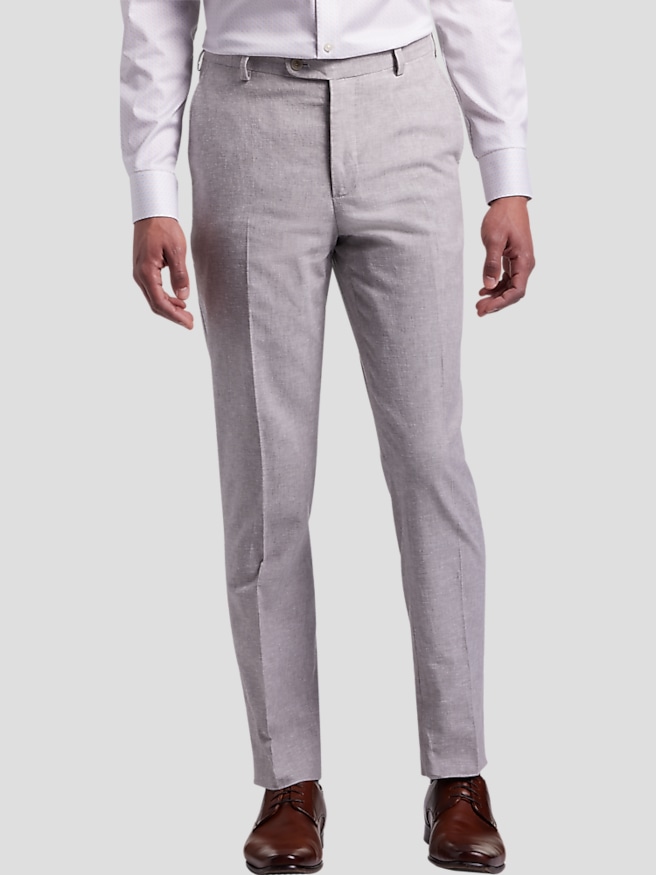
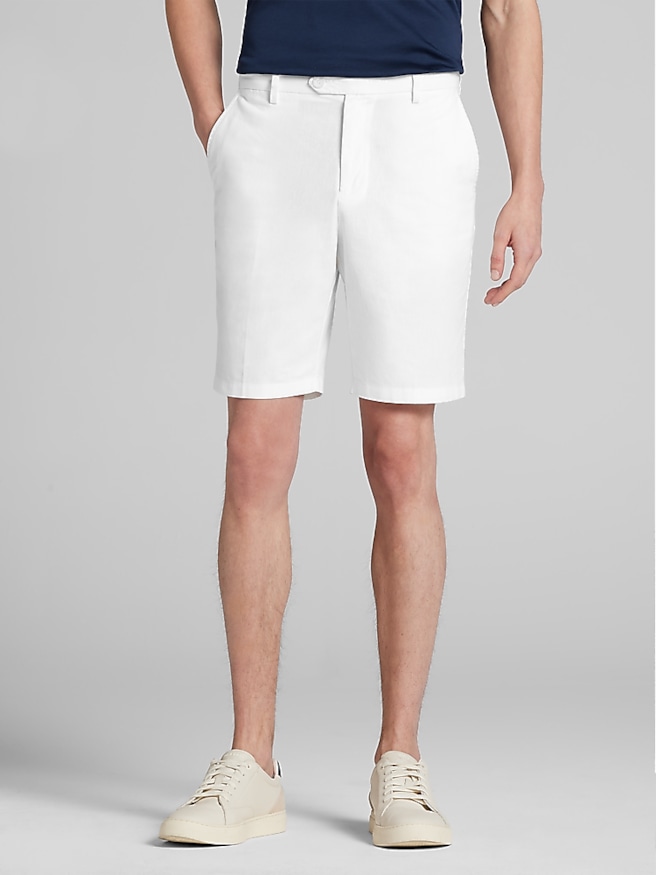
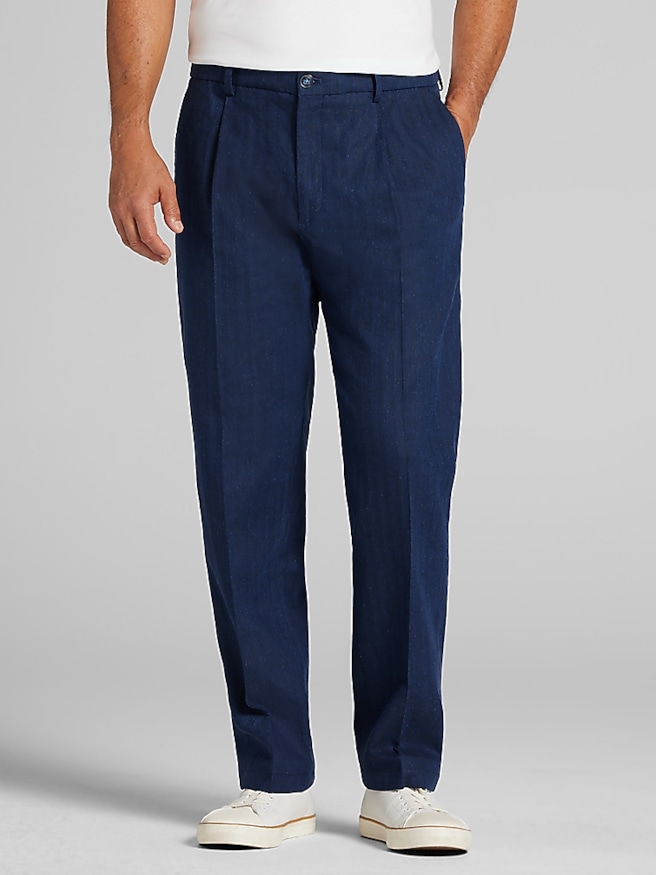
Summer men’s trousers bring a finished look to warm-weather dressing without the weight or formality of heavier pants. They suit the parts of summer that still call for a considered outfit: a workday with meetings on the calendar, an outdoor wedding, dinner on a patio, or a graduation celebration that moves from a ceremony to a family gathering. Fabric makes a noticeable difference in how trousers feel through those moments. Linen has a distinctive texture and allows air to move through its weave, with natural creasing that lends a relaxed character rather than a perfectly pressed appearance. Cotton offers a familiar feel and can look crisp or casual depending on the weave and finish. Lightweight wool can provide a smooth drape for dressier occasions, while blends may balance softness, structure, and resistance to wrinkling. A small amount of stretch can make sitting, walking, and climbing stairs more comfortable, though fiber content alone does not tell the whole story. Fabric weight, weave, lining, and cut all influence how comfortably a pair wears. A loosely woven cloth may feel airy, while a tightly woven fabric can offer a cleaner surface and more structure. Light colors such as stone, pale gray, and beige complement summer shirts, but the fabric should have enough substance to keep pocket bags and underlayers from becoming distracting. Navy and medium gray offer a more understated option for settings where a darker trouser feels appropriate. Texture matters as much as color: a subtle weave can soften the appearance of a dress shirt, while a smooth finish creates a sharper impression beneath a jacket. The most useful summer trousers balance a lighter feel with enough body to hang neatly, hold their shape, and move comfortably through a full day. That balance is especially noticeable when an outfit needs to look composed after a commute, a long lunch, or several hours spent seated.
Fit determines whether that lighter fabric looks effortless or simply looks too small. Summer trousers should sit securely at the waist without requiring a belt to pull excess fabric into folds. Through the seat and thighs, enough room for a natural stride helps the cloth fall cleanly instead of catching or pulling. A slim silhouette can work well when it follows the leg without gripping it, while a straight or more relaxed cut creates additional space and can suit someone who spends much of the day moving between appointments. The rise also changes both comfort and proportion. A higher rise brings the waistband closer to the natural waist and often pairs neatly with a tucked shirt; a lower rise creates a more casual line but should still feel comfortable when seated. Flat-front trousers have a clean appearance, while pleats provide extra room through the upper leg and can be particularly useful in a fuller cut. Neither detail determines how dressy a pair must be. The overall fabric, fit, and styling carry more weight. Length deserves similar attention. A slight break over the shoe reads as traditional and works well with many dress outfits, while a cleaner hem with little or no break gives tapered trousers a lighter visual finish. Excess fabric pooling around the ankle can make even an airy pair appear heavy. For an office setting, a tucked button-down shirt and loafers create a straightforward combination, with a lightweight jacket adding structure when needed. For a summer celebration, pale trousers can sit comfortably alongside a darker jacket, provided the contrast feels intentional and the dress code permits separates. A knit polo or an open-collar shirt gives the same trousers a more relaxed role at dinner or on a weekend outing. Shoes help establish that distinction: leather lace-ups make the outfit more formal, loafers sit between polished and relaxed, and clean, understated sneakers suit casual settings. Small details, including a neat hem, a belt that complements the footwear, and pockets that lie flat, keep the whole outfit looking deliberate without making it feel overly dressed.
A wardrobe built around Summer Fashion Trousers benefits from pieces that can handle repeated wear as well as occasional events. For travel, that may mean fabric that recovers reasonably well after sitting and a cut comfortable enough for a flight or a long drive. For regular office use, it may mean a dependable neutral color, secure pocket construction, and a waistband that keeps its shape. For celebrations, the priority may be a graceful drape and a finish that looks polished beside a dress shirt or jacket. Durability comes from more than fabric thickness. Even stitching, neatly finished seams, stable belt loops, and well-attached buttons contribute to how trousers hold up over time. Lightweight cloth still needs enough resilience for the places that receive the most friction, particularly the seat, inner thighs, and pocket edges. Carrying fewer bulky objects helps preserve the line of the pockets and reduces unnecessary strain. Care should follow the garment’s label, since linen, cotton, wool, and blended fabrics can require different treatment even when they look similar. Machine-washable trousers may need a gentle cycle and limited heat, while other fabrics call for professional cleaning. High dryer temperatures can affect fit and finish, so drying instructions matter as much as washing instructions. Hanging trousers neatly after wear allows creases to relax and helps maintain their shape between cleanings. Pressing or steaming should also match the fabric’s care requirements; excessive heat can leave shine or damage sensitive fibers. A little natural rumpling belongs to linen’s character, whereas dressier fabrics may benefit from a defined crease. Summer trousers can also make a thoughtful gift for a graduate starting a new job, a father who enjoys dressing for dinner, or a partner planning a warm-weather trip. Waist size, preferred rise, inseam, and usual fit are more useful than guessing from appearance alone. A pair that suits the recipient’s routine has lasting value beyond a single occasion, bringing comfort and polish to the settings where casual pants feel too informal and heavier dress trousers feel unnecessary.