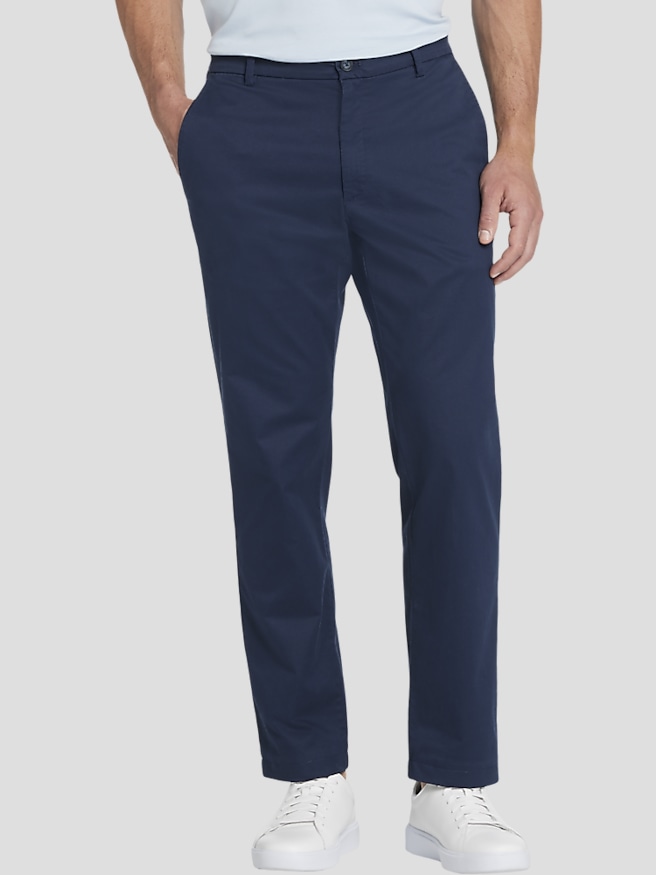
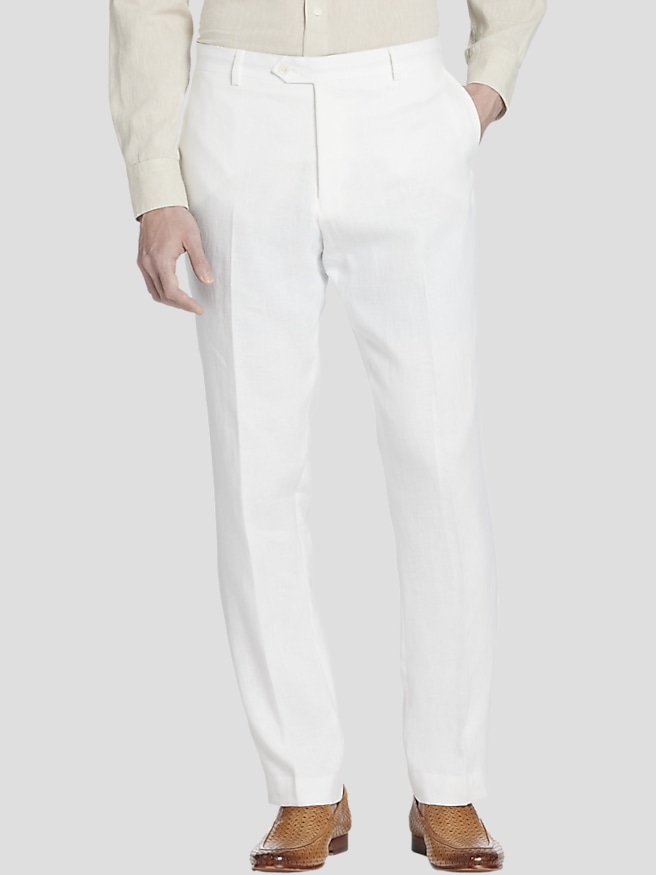
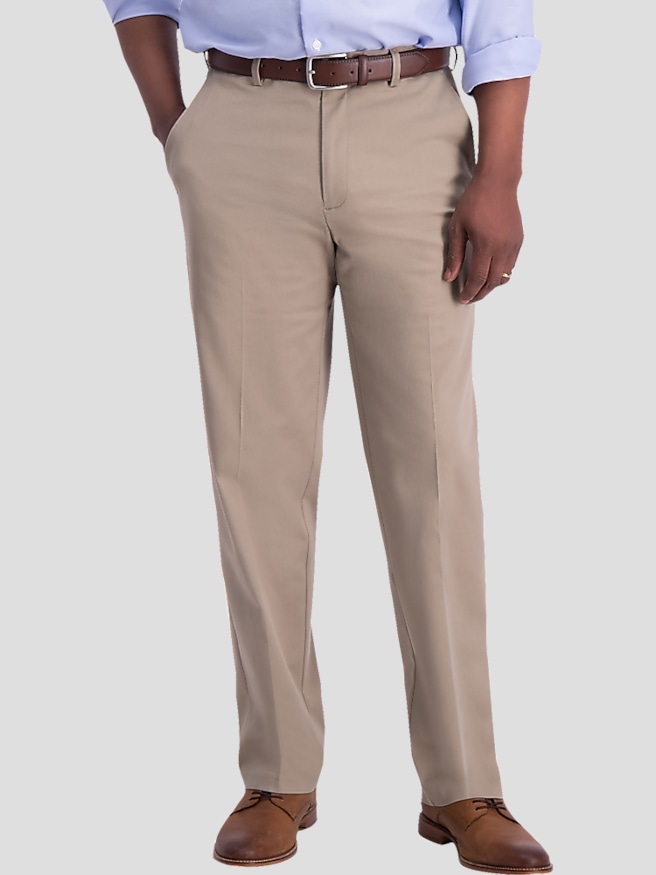
Men’s summer linen trousers combine the ease of lightweight pants with the clean lines of tailored clothing, making them a natural choice for warm-weather occasions that call for more polish than shorts. Linen is made from flax fibers and is valued for its breathable structure, distinctive texture, and ability to absorb moisture and release it as the fabric dries. How airy a pair feels depends on the weave, fabric weight, lining, and cut—not simply the linen content on the label. A loosely woven fabric with room through the leg can feel comfortable on a shaded patio or a walk to dinner, while a denser weave generally provides more coverage and a more structured appearance. Pure linen has a crisp hand that softens with wear and develops the relaxed creases associated with the fabric. Linen blends offer another approach: cotton can contribute a familiar, softer feel, while other fibers may influence drape, stretch, or wrinkle resistance. The fiber percentages and care label give a clearer picture than the word “linen” alone. These trousers suit a range of summer plans, from outdoor wedding receptions and graduation celebrations to vacation dinners and offices with a relaxed dress code. A tailored pair with a tucked-in shirt feels appropriate for a restaurant reservation; an easy straight-leg silhouette with a knit polo works well for an afternoon gathering. For a beach ceremony, linen’s texture looks at home against sand and weathered wood without making the outfit feel unfinished. The invitation still sets the level of formality, since casual linen trousers are not a substitute for formal evening attire. Their appeal lies in that middle ground: comfortable enough for unhurried days, yet refined enough to look intentional when the occasion deserves a little effort. Natural variations in the yarn also give the surface depth, so even a simple outfit has visual interest without relying on a bold pattern.
Fit has as much influence on summer comfort as fabric choice. Men’s linen pants generally feel best when the waistband rests comfortably and the seat and thighs have enough room for sitting, walking, and climbing stairs without pulling. A straight leg provides an easy line from hip to hem, while a tapered cut narrows toward the ankle for a more defined silhouette. Neither needs to be excessively loose or tight; the goal is space for movement without folds of extra fabric collecting at the seat or knee. Pleats can provide additional room through the upper leg and create an attractive drape, particularly with a tucked-in shirt. Flat-front trousers offer a simpler profile, and a drawstring waistband usually gives an outfit a more casual character. Pocket behavior is another useful fit detail: side pockets that flare open or a fly that pulls can indicate that the upper portion is too snug. Length changes the overall impression, too. A hem that lightly meets the shoe keeps tailored linen trousers neat, while a shorter hem can complement loafers or understated sneakers. Excess length tends to bunch, adding bulk to a fabric whose appeal is its easy movement. Color and coverage deserve equal attention. Light shades such as stone, cream, and pale gray create a soft summer palette, but opacity varies with the weave and lighting. Smooth, low-contrast underlayers help maintain a clean appearance beneath pale fabric. Navy, olive, and deeper neutral tones can be practical for travel or frequent wear and pair naturally with white shirts, textured polos, and lightweight jackets. For an equally breathable direction with an emphasis on fabric weight, explore Mens Lightweight Linen Trousers. The surrounding pieces can remain straightforward: a crisp cotton shirt for a reception, a fine-gauge knit for dinner, or a relaxed button-down for a coastal weekend. Shoes help establish the tone, with leather loafers lending polish and clean, low-profile sneakers keeping the look informal. A jacket need not match the trousers, but similar levels of texture and formality help the combination feel considered rather than accidental.
Linen’s wrinkles are part of its character, although there is a difference between natural creasing and an outfit that needs attention. Soft folds at the lap and behind the knees are expected after sitting; deep packing lines or a crumpled hem can usually benefit from care before wearing. The garment’s label should always determine the cleaning method, because dyes, linings, blends, and waistband construction can require treatment beyond what the main fabric alone would suggest. Some linen trousers are washable, while tailored constructions may call for professional cleaning. When washing is permitted, a gentle cycle, mild detergent, and the recommended water temperature help protect the fabric and finish. High heat can cause shrinkage, so drying instructions matter just as much as washing instructions. Reshaping damp trousers and allowing them to dry with the seams aligned can reduce unnecessary creasing. Pressing or steaming, when permitted, is often easier before wrinkles become deeply set; the recommended iron setting and a pressing cloth can help avoid unwanted shine. A sharp crease can suit tailored styles, while a softer finish often looks more natural on relaxed cuts. Between wears, hanging trousers neatly and letting them air out can help keep them fresh without unnecessary cleaning. Linen fibers are strong, but the finished garment’s durability also depends on construction, fit, and care. Secure stitching, neatly finished seams, and well-attached buttons matter, especially for pants intended for frequent use. Overfilled pockets can distort the silhouette and put strain on pocket openings, so a phone and keys are better carried without stretching the fabric. For travel, folding along the seams and leaving room in the suitcase can limit hard compression lines, though some creasing is unavoidable. These considerations also make linen trousers a thoughtful gift for someone who enjoys summer entertaining, destination celebrations, or relaxed tailoring, particularly when their measurements and preferred fit are known. With suitable care and a comfortable cut, they can become a dependable part of a warm-weather wardrobe rather than clothing reserved for a single occasion.